 Skip to content
📘 Case Study
Project Type:
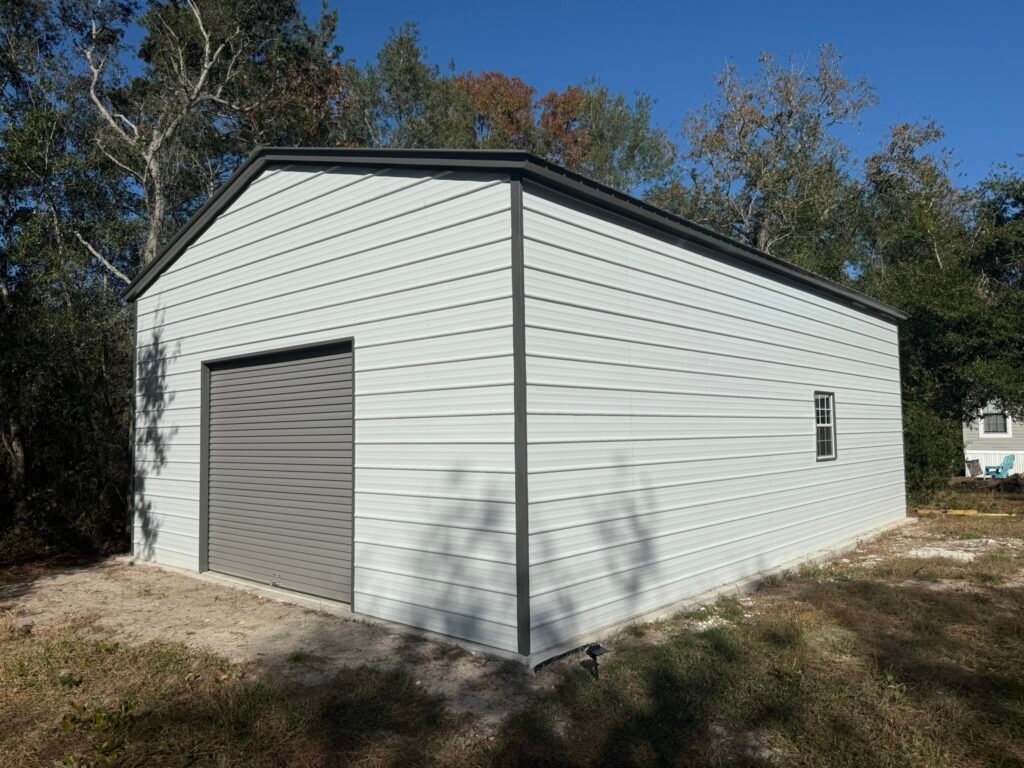
Residential accessory metal building (storage / garage use, non-habitable)
Jurisdiction:
Florida (2023 Florida Building Code)
Project Background:
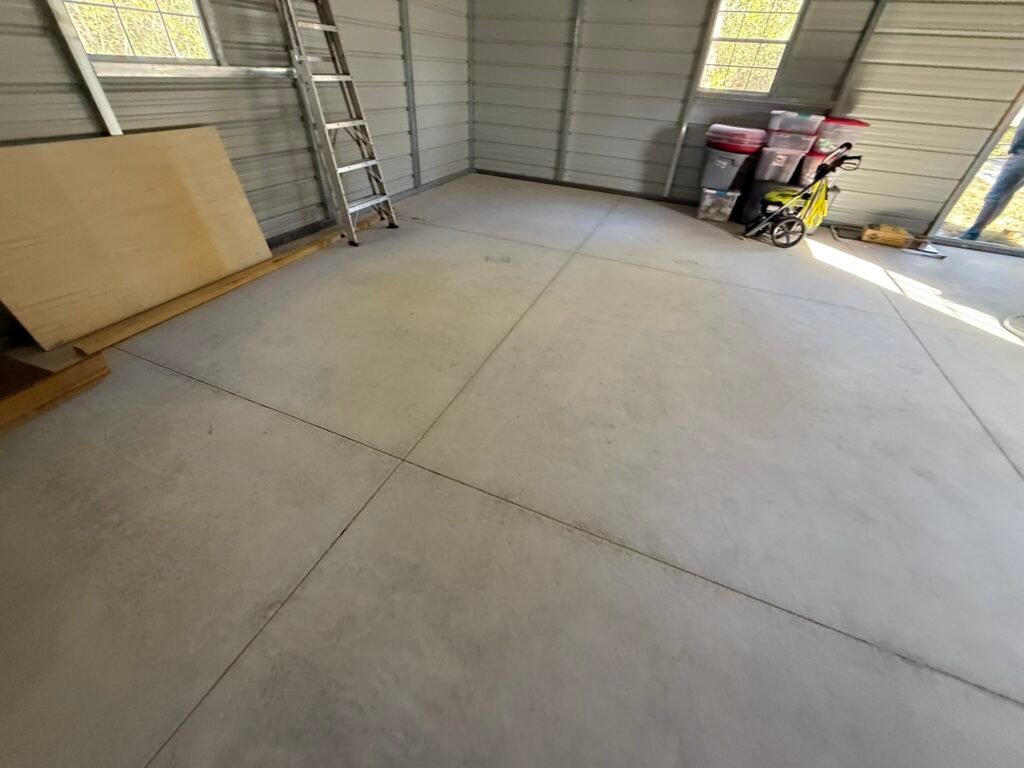
The metal building structure had been properly permitted and inspected; however, the existing concrete slab foundation had been constructed without a permit or prior inspection.
During final review, the building inspector required an engineer-stamped foundation certification letter verifying that the slab foundation was adequate and compliant with applicable code requirements in order to approve the permit.
🧠 Engineering Scope Provided
Oasis Engineering was retained to perform an existing foundation verification and certification, limited to evaluation of the slab supporting a residential accessory structure.
- Engineer site visit
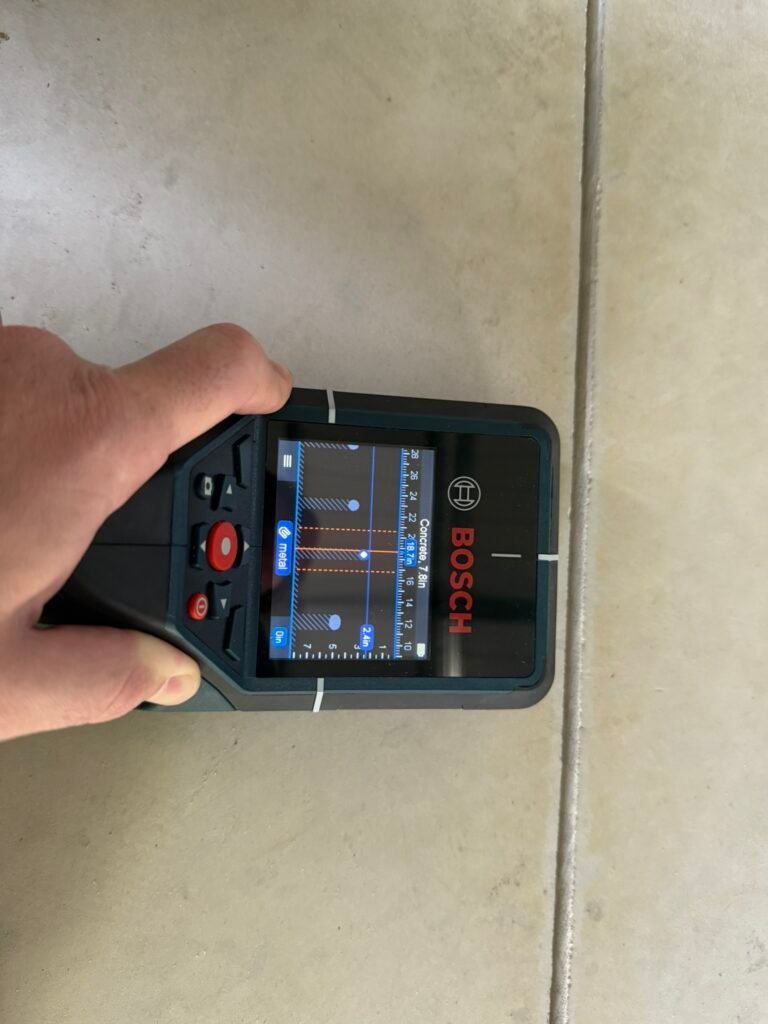
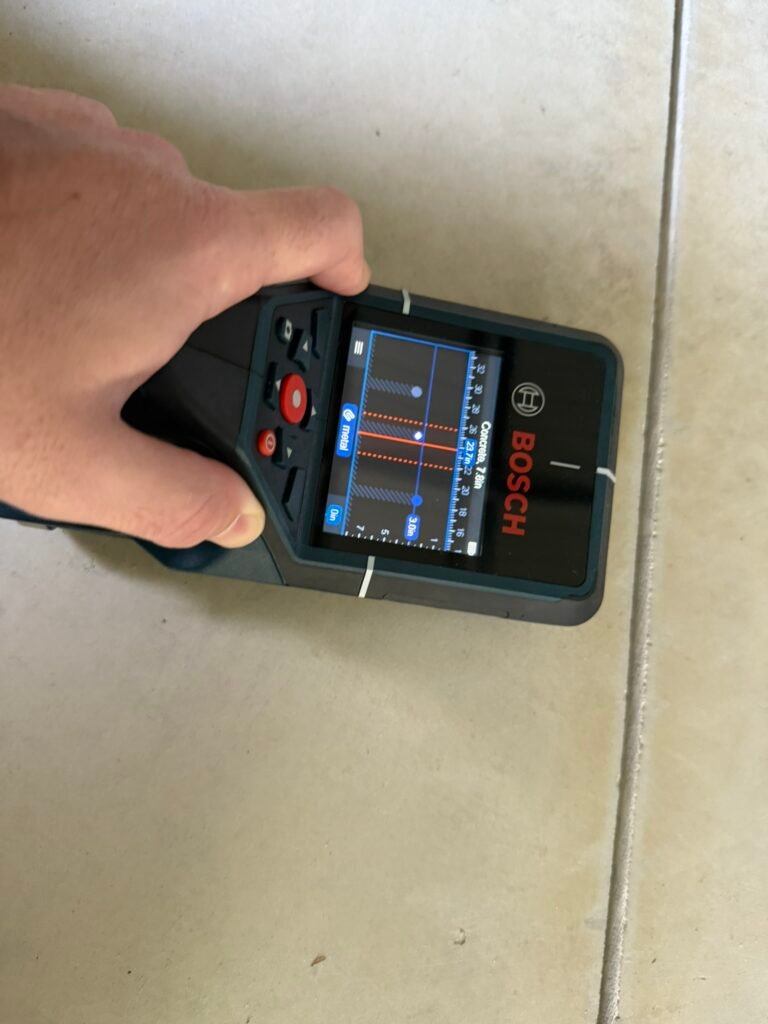
- Non-destructive concrete scanning to verify reinforcement presence
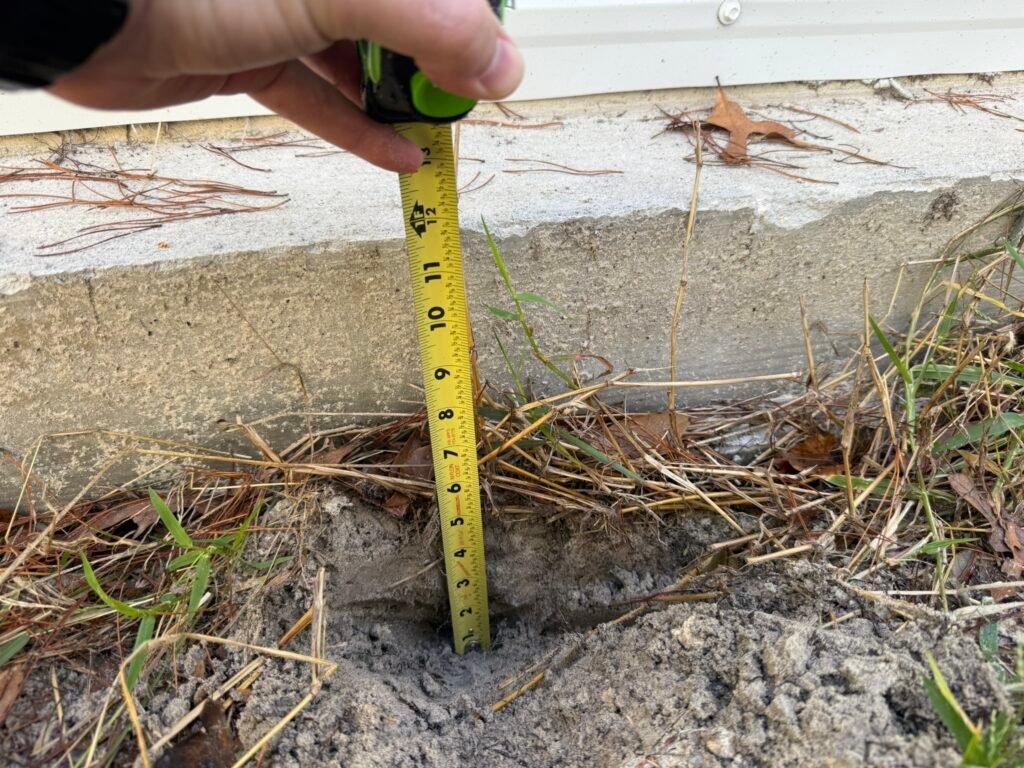
- Visual verification of slab edge thickness via selective exposure
- Review of foundation details provided by others
- Engineering judgment against minimum requirements of the 2023 FBC for residential accessory structures
No new foundation design, detailing, or engineered drawings were included in this scope as the owner already had plans and permits.
🔍 Field Verification Process
During the site visit, our engineer:
- Used a concrete reinforcement scanner to detect rebar/mesh layout
- Exposed slab edge at the perimeter to confirm actual slab thickness
- Documented reinforcement locations and slab geometry
- Confirmed building use aligned with non-habitable accessory classification
All verification methods were non-destructive, appropriate for existing construction, and consistent with professional engineering practice for after-the-fact evaluations.
✅ Outcome
Based on the field verification and submitted documentation:
- The slab was found to be adequate for the permitted accessory structure use
- An engineer-signed foundation certification letter was issued
- The certification letter allowed the building inspector to proceed with final approval of the metal building permit
🛠️ Key Takeaway
After-the-fact foundation issues do not automatically require demolition, replacement, or redesign.
With proper engineering review, documentation, and verification, many existing slabs can be evaluated and, when appropriate, certified to meet applicable code requirements—allowing projects to move forward efficiently and responsibly.
⚡ How This Case Study Connects to Our Services
This project illustrates the two primary ways Oasis Engineering assists homeowners and contractors with existing slab foundation certification.
Option 1 — Engineer Site Visit
Best suited for:
- Larger or higher-risk slabs
- Time-sensitive inspections
- Limited slab access or visibility
- Situations requiring direct engineer observation
✔ Typical cost: $500–$700 (depending on location).
✔ Includes on-site verification and engineer-stamped certification letter (if compliant)
Option 2 — DIY Concrete Slab Verification Kit
Best suited for:
- Pergolas, patios, sheds, barns, and similar accessory structures
- After-the-fact permit situations
- Homeowners seeking a lower-cost, prequalified first step
✔ Engineer-reviewed submissions
✔ Same certification letter issued only if standards are met
✔ $199 kit, creditable toward a full site visit if needed
✅ DIY Concrete Slab Verification Kit — Existing Foundation Certification
Original price was: $500.00.$300.00Current price is: $300.00.
This option utilizes homeowner-collected documentation reviewed by a licensed professional engineer. Final certification is issued solely at the engineer’s discretion and only when submitted data confirms compliance with applicable code requirements.
