...

container homes

DIY Container USA Materials

Material Substitution Guide for DIY Container Homes | Oasis

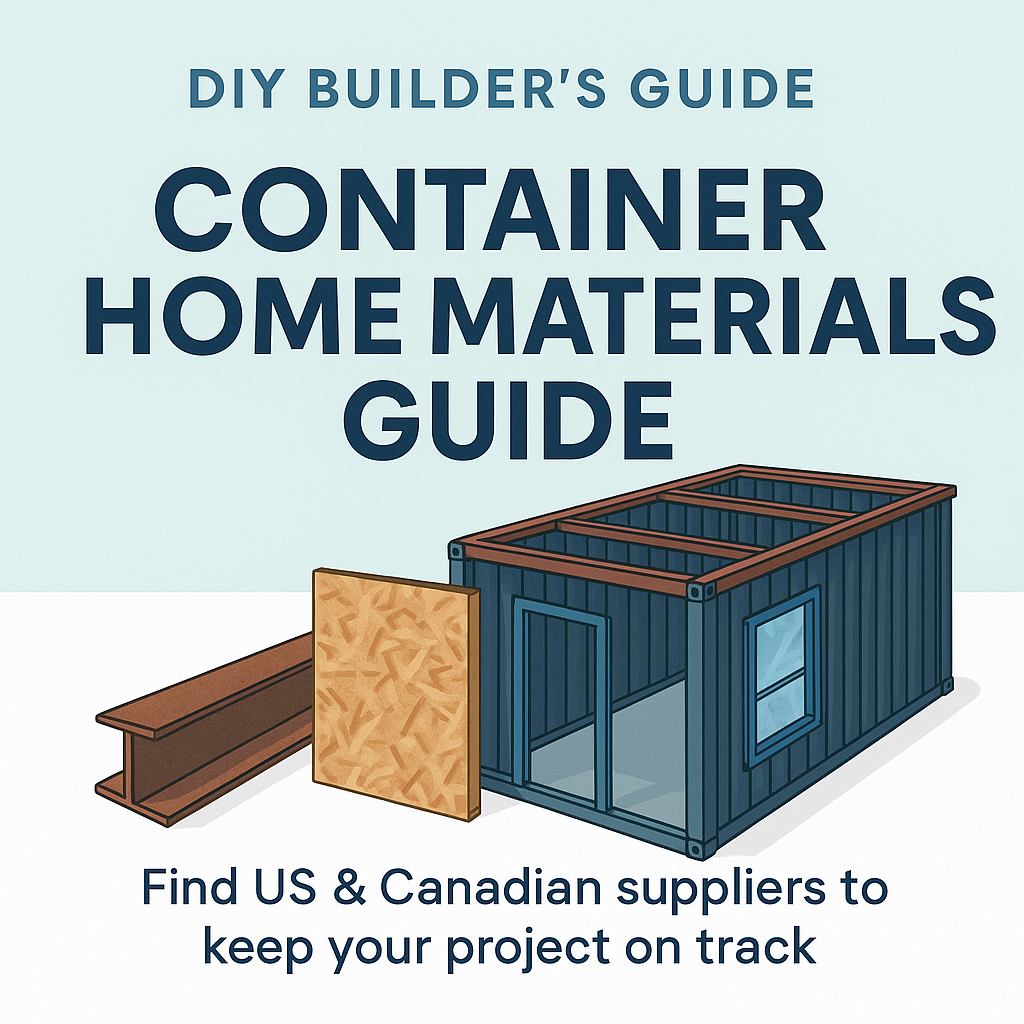
Container Home Material Substitution Guide: North American Alternatives Container Home Material Substitution Guide: Navigating Supply Chains with North American Alternatives Building a container home is an exciting venture! However, global supply chain disruptions, like a potential trade embargo on China, can throw a wrench in your plans if you’re relying on materials sourced from overseas. This guide is here to help you, the DIY builder or small contractor, find reliable North American alternatives for common container home building components. Keep your project on track with locally sourced, quality materials! Critical Building Components & North American Substitutes 1. Steel Corner Castings Typical Source: China North American Substitute: ASTM A148 compliant castings from U.S. foundries. Actionable Tips & Notes: Ensure the foundry can provide certification for the steel grade and quality. ASTM A148 covers high-strength structural steel. These are critical for stacking and connecting containers. Verify load-bearing capacity specifications with the supplier. Lead times can vary, so order well in advance. Cost Comparison: Generally higher than Chinese imports due to labor, material, and certification costs. Expect a 20-50% increase, but this ensures quality and compliance. Reputable Supplier Example: Castings For Industry (CFI) (Note: Pacific Steel Casting is no longer operational. CFI is an example of a US-based casting provider; always verify specific product availability for container corners or custom casting capabilities.) 2. Corten (Weathering) Steel Sheets Typical Source: China North American Substitute: ASTM A606 Type 4 or ASTM A588 from U.S. steel suppliers. Actionable Tips & Notes: Corten (or weathering steel) forms a stable rust-like appearance over time, protecting it from further corrosion. Specify the desired ASTM grade. Ideal for exterior cladding or structural elements where a rustic look and durability are desired. Surface preparation is key for achieving the desired patina. Consult supplier guidelines. Cost Comparison: U.S.-produced Corten is typically 15-40% more expensive than imported generic weathering steel. Prices fluctuate with the steel market. Reputable Supplier Example: Ryerson 3. Twist-Lock Fasteners Typical Source: China North American Substitute: USA-made marine-grade or specialized container hardware suppliers. Actionable Tips & Notes: Twist-locks are essential for securing containers to foundations or to each other. Ensure they meet required load ratings. Look for suppliers specializing in shipping container hardware or heavy-duty industrial fasteners. Consider galvanized or stainless steel options for better corrosion resistance, especially in coastal areas. Cost Comparison: Domestic, certified twist-locks can be 30-70% more expensive. This reflects higher quality materials and testing. Reputable Supplier Example: Tandemloc 4. Laminated Safety Glass Typical Source: China North American Substitute: Reputable North American glass manufacturers. Actionable Tips & Notes: Laminated glass is crucial for safety and security, as it holds together when shattered. Specify thickness, any required tints, or Low-E coatings for energy efficiency. Local glass shops can often custom-cut and temper glass from these major manufacturers. Get quotes from several local suppliers. Cost Comparison: Expect a 15-35% price increase for domestically produced laminated glass. Custom sizes and features will add to the cost. Reputable Supplier Example: Vitro Architectural Glass 5. HVHZ-Approved Windows/Doors Typical Source: China (often not meeting specific North American HVHZ standards) North American Substitute: Specialized manufacturers with HVHZ (High-Velocity Hurricane Zone) certifications. Actionable Tips & Notes: If your container home is in a hurricane-prone area (e.g., Florida, Gulf Coast), HVHZ-rated windows and doors are mandatory. Ensure products have current Florida Product Approval or approvals relevant to your specific local building codes. Installation is critical; use certified installers or follow manufacturer specifications meticulously. Cost Comparison: HVHZ-approved products are significantly more expensive (50-150%+) than standard, non-rated units, regardless of origin, due to stringent testing and robust construction. Sourcing domestic ensures compliance and easier warranty claims. Reputable Supplier Example: PGT Custom Windows & Doors 6. LED Lighting Components Typical Source: China (for individual diodes, drivers, and complete fixtures) North American Substitute: Companies that assemble or manufacture LED fixtures in the U.S. or Canada, often using globally sourced components but with local quality control and support. Actionable Tips & Notes: Look for certifications like UL (Underwriters Laboratories) or ETL (Intertek) for safety and performance. Consider “Assembled in USA” or “Made in USA” labels. Component origins can still be global, but final assembly and quality control in North America offer advantages. Focus on warranty and customer support, which are often better with domestic or North American-based companies. Cost Comparison: U.S./Canadian assembled or manufactured LED fixtures can be 20-60% more expensive. However, longer lifespan and better efficiency can offset initial costs. Reputable Supplier Example: Cree Lighting 7. Insulation Materials (Spray Foam, Rigid Board) Typical Source: China (for some raw materials or finished products) North American Substitute: Major insulation manufacturers with extensive production facilities in the U.S. and Canada. Actionable Tips & Notes: Spray Foam: Ensure installers are certified. Consider open-cell vs. closed-cell based on your climate and structural needs (closed-cell adds rigidity and has a higher R-value per inch). Rigid Board (XPS, EPS, Polyiso): Check R-value per inch and select appropriate thickness. Ensure compatibility with adhesives and facing materials. Local building material suppliers will carry products from these major manufacturers. Cost Comparison: Prices are generally competitive, but a potential embargo could shift pricing. North American brands are widely available and less susceptible to overseas shipping disruptions. Any difference is usually within 5-15% for standard products. Reputable Supplier Example (for a range of insulation): Owens Corning 8. Roofing Materials (Metal Roof Panels) Typical Source: China (for coil stock or finished panels) North American Substitute: Domestic roll-formers and metal roofing manufacturers. Actionable Tips & Notes: Choose the right panel profile (e.g., standing seam, corrugated) and gauge (thickness) for your climate and aesthetic. Consider paint finishes (e.g., Kynar 500) for longevity and color retention. Many suppliers offer custom-cut lengths, reducing waste. Cost Comparison: Domestic metal roofing is often 10-30% more expensive but offers better warranties, quality control, and easier access to matching trim and accessories. Reputable Supplier Example: McElroy Metal 9. Fasteners & Anchors (Self-tapping Screws, Structural Anchors) Typical Source: China North American Substitute: Well-known North American fastener brands with domestic manufacturing or strong quality control over global supply chains. Actionable Tips &

Material Substitution Guide for DIY Container Homes | Oasis Read More »

Navigating Tiny Home & Container Home Egress: The 400 Sq Ft Door Exception You Need to Know!

Building tiny isn’t just about downsizing; it’s about smart design, navigating unique challenges, and understanding the building codes that ensure safety and livability. Whether you’re dreaming of a cozy tiny home on wheels (THOW), a shipping container home conversion, or a minimalist cabin, regulations play a huge role. One critical area? Egress – specifically, your main door. But did you know there are exceptions that can make designing your small space a bit easier? Let’s dive into the standard egress door rule and a key exception that could significantly impact your tiny home design, especially if you’re working with something like a shipping container home. The Standard Rule: What is IRC R311.2? Most residential building codes, often based on the International Residential Code (IRC), have specific requirements for the main egress door. Section R311.2 generally states: These dimensions ensure that people can easily exit in an emergency and that emergency personnel or large items (like furniture or appliances) can get in and out. For many tiny home builders, meeting this standard 32×78 inch clear opening can be straightforward, but in ultra-compact designs, every inch counts. The Game Changer: The Sub-400 Square Foot Exception Now for the exciting part, especially relevant for shipping container homes and other small footprint dwellings! The IRC R311.2 includes a crucial exception: Exception: Buildings that are 400 square feet or less and that are intended for use in conjunction with one- and two-family residences are not subject to the minimum door height and width requirements. What does this mean for your tiny project? So, yes! If you have a 40ft container home (under 400 sq ft) being used as, say, a backyard studio connected to your main residence, you could potentially use a smaller egress door than typically required. Another Tiny Home Code Caveat: Loft Access & Stairs Designing tiny often means going vertical, making lofts a popular feature. But full-sized stairs consume precious floor space. This is another area where tiny home regulations often provide specific allowances: This flexibility in loft access is another example of how codes can adapt to the unique constraints of small space living, allowing for creative and functional designs without compromising essential safety. Key Takeaways for Tiny Home Builders Building a tiny home or shipping container home is an exciting venture. Understanding these nuances in the building code doesn’t just ensure compliance; it unlocks possibilities for smarter, more efficient, and personalized small space design. Keywords: tiny home building codes, shipping container home regulations, egress door requirements, R311.2 exception, 400 sq ft rule, tiny home design, container home door size, tiny home stairs, tiny home loft access, small space living codes, ADU regulations.

Navigating Tiny Home & Container Home Egress: The 400 Sq Ft Door Exception You Need to Know! Read More »

The Benefits of Closed-Cell Foam Insulation for Container Homes: A Complete Guide

Are you considering insulating your container home but unsure where to start? Closed-cell foam insulation might be the perfect solution for your project. In this blog post, we’ll dive into the key benefits of closed-cell foam insulation, explain how to apply it, and clarify when and where to use a vapor barrier—specifically tailored for container homes. Plus, we’ll show you how to calculate your insulation needs with our free tool, the Insulation Planner. Let’s explore why this insulation type is a game-changer and how it can help you make informed decisions for your container home build. Benefits of Closed-Cell Foam Insulation Closed-cell foam insulation stands out as an exceptional choice for container homes due to its unique properties. Here’s why it’s worth considering: 1. High R-Value per Inch Closed-cell foam insulation boasts a higher R-value per inch than many other insulation materials. This means it delivers superior thermal resistance in a thinner layer—ideal for container homes where space is at a premium. With this high-efficiency insulation, you can keep your home comfortable year-round without sacrificing valuable interior space. 2. Built-In Vapor Barrier Unlike open-cell foam or fiberglass, closed-cell foam’s dense structure naturally blocks moisture, acting as its own vapor barrier. This eliminates the need for additional materials in most cases, simplifying your insulation process and protecting your container home from moisture-related issues like rust or mold. 3. Enhanced Structural Strength When sprayed onto your container’s walls, closed-cell foam hardens and bonds to the surface, adding rigidity and structural integrity. This is especially beneficial if you’ve cut out sections for windows or doors, as it reinforces the metal frame and helps maintain the container’s stability. 4. Water and Mold Resistance Closed-cell foam is impermeable to water and highly resistant to mold growth. For container homes, which are often exposed to the elements during construction or in humid climates, this feature ensures a healthier living environment and reduces the risk of long-term damage. 5. Long-Lasting Durability Once installed, closed-cell foam insulation is built to last. It doesn’t settle, sag, or degrade over time, making it a low-maintenance option that provides consistent performance for decades. This durability translates to fewer headaches and repair costs down the road. How to Apply Closed-Cell Foam Insulation Applying closed-cell foam insulation is a straightforward process, though it’s typically best left to professionals for optimal results. Here’s how it works: Professional installation is recommended for container homes not only for quality but also to maximize the insulation’s benefits, like its structural reinforcement and vapor barrier properties. When and Where to Use a Vapor Barrier in Container Homes One of the standout features of closed-cell foam insulation is its ability to double as a vapor barrier, thanks to its closed-cell structure that prevents moisture transmission. For most container homes, this built-in barrier is sufficient to protect against condensation and humidity—common concerns with metal structures. However, there are exceptions where an additional vapor barrier might be necessary: In most cases, though, closed-cell foam insulation eliminates the need for a separate vapor barrier, saving you time and money. If you’re unsure about your specific setup, consult a local contractor or building inspector for personalized advice. Calculate Your Insulation Needs with Our Tool Getting the right amount of insulation is crucial for energy efficiency, comfort, and cost management. Too little insulation leaves your container home vulnerable to temperature swings, while too much can unnecessarily drive up expenses. That’s where our Insulation Planner comes in. This free tool lets you input details about your container home—such as dimensions, climate zone, and desired R-value—to calculate exactly how much closed-cell foam insulation you’ll need. It’s an easy way to plan your project with confidence, ensuring you’re prepared before installation begins. Conclusion: Why Closed-Cell Foam Insulation is a Smart Choice Closed-cell foam insulation offers a powerful combination of benefits for container homes: top-tier insulation with a high R-value, a built-in vapor barrier, added structural strength, water and mold resistance, and long-term durability. By understanding how to apply it and when an additional vapor barrier might be needed, you can tailor this solution to your specific project. Ready to get started? Use our Insulation Planner to calculate your needs and take the first step toward a well-insulated, comfortable, and durable container home. With closed-cell foam insulation, you’re not just building a house—you’re creating a smart, sustainable living space that stands the test of time.

The Benefits of Closed-Cell Foam Insulation for Container Homes: A Complete Guide Read More »

Tokyo, Shibuya & Shinjuku Container Homes | Japanese Design Collection

Introducing our Japanese Design Collection, featuring three meticulously crafted modular container home designs that blend modern minimalism with traditional Japanese aesthetics. Each design is optimized for narrow lots, making them ideal for urban settings, rentals, Airbnb ventures, or multifamily investments. Whether you love the design and want to build directly from it or simply use it as inspiration to remix and customize your dream home, these plans are ready for instant download to help you kickstart your container home journey. Tokyo: Sleek 3-Container Design The Tokyo model utilizes three 40-foot shipping containers to create a 960-square-foot living space. This design emphasizes simplicity and functionality, reflecting the essence of Japanese minimalist living. The layout includes an open-concept living and dining area, a well-appointed kitchen, two bedrooms, and two bathrooms. Large windows and sliding glass doors enhance natural light, fostering a seamless connection between indoor and outdoor spaces. This model is perfect for individuals or small families seeking a compact yet comfortable home. Shibuya: Innovative 8-Container Duplex The Shibuya design transforms eight shipping containers (six 40-foot and two 20-foot units) into a modern duplex, offering a total of 2,240 square feet—1,120 square feet per unit. Each unit features an open-concept kitchen and dining area on the ground floor, with bedrooms and bathrooms on the upper level. This layout provides privacy and flexibility, making it ideal for rental properties or shared living arrangements. The design incorporates clean lines and efficient use of space, embodying contemporary Japanese architecture. Shinjuku: Spacious 10-Container Duplex The Shinjuku model expands on the duplex concept by utilizing ten shipping containers to create a generous living space. Each unit boasts multiple bedrooms, bathrooms, and expansive living areas, catering to larger families or groups. The design seamlessly blends traditional Japanese elements with modern minimalist aesthetics, featuring tatami-style rooms, shoji screens, and open-plan layouts. This model is perfect for multifamily investments or upscale rental properties. Key Features Across All Designs: Explore our Japanese Design Collection to find the perfect modular home that aligns with your vision. Each design is thoughtfully crafted to provide a serene and efficient living experience, embodying the timeless principles of Japanese architecture.

Tokyo, Shibuya & Shinjuku Container Homes | Japanese Design Collection Read More »

The Ultimate Checklist for Buying a Prefabricated Home in : Boxabl, Shipping Container Homes, and More

With the growing demand for affordable, sustainable, and adaptable housing options in , prefabricated homes, including popular choices like Boxabl units and shipping container homes, are gaining traction. Whether you’re in a area or a region, it’s essential to understand the requirements for a safe and compliant prefabricated home. This checklist will guide you through everything from planning and purchasing to setup, helping you prepare for your new home in . 1. Determine Your Budget and Financing Options Establish a Budget: While prefabricated homes are typically more affordable than traditional housing, costs can vary based on factors like delivery distance, site preparation, and modifications for ‘s specific building codes. Explore Financing: Depending on where you’re located, lenders may have different policies for prefabricated homes, especially in areas with considerations. Check with your lender to see if they support financing for your chosen prefabricated model. 2. Choose the Right Prefabricated Home for ’s Climate Boxabl Homes: Known for quick assembly and high-quality design, Boxabl homes are a solid choice for those seeking compact, resilient living spaces. Many Boxabl models are built to withstand , making them ideal for coastal regions in . Shipping Container Homes: Shipping container homes are durable and versatile, often used in areas with . These homes can be customized with enhanced insulation and weatherproofing to fit ’s climate. 3. Research ’s Building Codes and Zoning Regulations Permit Requirements: Different states have unique requirements for prefabricated structures. In , check with local authorities about specific permits for Boxabl or container homes, and review zoning restrictions that may limit where prefabricated homes can be placed. Code Compliance: Prefabricated homes must meet ’s building codes, especially if you’re in an area prone to . Make sure your selected home is rated for the local environmental conditions. 4. Prepare the Site and Plan for Utility Connections Site Preparation: Most prefabricated homes require a stable foundation. In areas, secure anchoring is often necessary to withstand strong winds, while regions with cold winters may need additional ground insulation. Utility Setup: In , utility setups may vary based on climate. Coastal homes, for example, may need additional stormproofing measures, while homes in colder regions benefit from insulated water and electric lines. 5. Consider Insulation, Weatherproofing, and Energy Efficiency Insulation for ’s Climate: Prefabricated homes in should be equipped with insulation suited to the local climate. If you live in a region with cold winters, closed-cell spray foam or rigid foam board insulation can improve energy efficiency. In areas, reflective coatings and ventilated design help manage temperature and prevent condensation. Weatherproofing Measures: Boxabl units and container homes may require additional weatherproofing based on ‘s climate. Impact-resistant windows and sealed seams help protect against storm damage and extreme temperatures. 6. Plan for Delivery and Installation in Delivery Logistics: Prefabricated homes often require transport by large vehicles. Rural or mountainous areas in may need special delivery arrangements. Assembly Needs: While some homes arrive pre-assembled, others need on-site setup. Areas with , such as hurricane-prone regions, may require additional bracing or anchoring during installation to ensure stability. 7. Personalize Your Home to Suit ’s Lifestyle Customization: Boxabl and shipping container homes offer modularity that can be tailored to fit ’s lifestyle needs. Whether you need extra insulation for cold winters or larger windows for sunny regions, these homes are highly adaptable. Outdoor Enhancements: In , adding features like a deck or storm shutters may enhance comfort and safety, particularly in areas with seasonal weather patterns. 8. Verify Insurance Options for Prefabricated Homes in Insurance Needs: Prefabricated homes in often require specialized insurance, especially in areas with storm risks or flood zones. Contact local providers to discuss coverage options that meet ’s requirements.

The Ultimate Checklist for Buying a Prefabricated Home in : Boxabl, Shipping Container Homes, and More Read More »

The Ultimate Checklist for Buying a Prefabricated Home in Arkansas: Boxabl, Shipping Container Homes, and More

With the growing demand for affordable, sustainable, and adaptable housing options in Arkansas, prefabricated homes, including popular choices like Boxabl units and shipping container homes, are gaining traction. Whether you’re in a Mild winters area or a Hot humid summers with thunderstorms region, it’s essential to understand the requirements for a safe and compliant prefabricated home. This checklist will guide you through everything from planning and purchasing to setup, helping you prepare for your new home in Arkansas. 1. Determine Your Budget and Financing Options Establish a Budget: While prefabricated homes are typically more affordable than traditional housing, costs can vary based on factors like delivery distance, site preparation, and modifications for Arkansas’s specific building codes. Explore Financing: Depending on where you’re located, lenders may have different policies for prefabricated homes, especially in areas with Mild winters considerations. Check with your lender to see if they support financing for your chosen prefabricated model. 2. Choose the Right Prefabricated Home for Arkansas’s Climate Boxabl Homes: Known for quick assembly and high-quality design, Boxabl homes are a solid choice for those seeking compact, resilient living spaces. Many Boxabl models are built to withstand Mild winters, making them ideal for coastal regions in Arkansas. Shipping Container Homes: Shipping container homes are durable and versatile, often used in areas with Hot humid summers with thunderstorms. These homes can be customized with enhanced insulation and weatherproofing to fit Arkansas’s climate. 3. Research Arkansas’s Building Codes and Zoning Regulations Permit Requirements: Different states have unique requirements for prefabricated structures. In Arkansas, check with local authorities about specific permits for Boxabl or container homes, and review zoning restrictions that may limit where prefabricated homes can be placed. Code Compliance: Prefabricated homes must meet Arkansas’s building codes, especially if you’re in an area prone to Hot humid summers with thunderstorms. Make sure your selected home is rated for the local environmental conditions. 4. Prepare the Site and Plan for Utility Connections Site Preparation: Most prefabricated homes require a stable foundation. In Mild winters areas, secure anchoring is often necessary to withstand strong winds, while regions with cold winters may need additional ground insulation. Utility Setup: In Arkansas, utility setups may vary based on climate. Coastal homes, for example, may need additional stormproofing measures, while homes in colder regions benefit from insulated water and electric lines. 5. Consider Insulation, Weatherproofing, and Energy Efficiency Insulation for Arkansas’s Climate: Prefabricated homes in Arkansas should be equipped with insulation suited to the local climate. If you live in a region with cold winters, closed-cell spray foam or rigid foam board insulation can improve energy efficiency. In Mild winters areas, reflective coatings and ventilated design help manage temperature and prevent condensation. Weatherproofing Measures: Boxabl units and container homes may require additional weatherproofing based on Arkansas’s climate. Impact-resistant windows and sealed seams help protect against storm damage and extreme temperatures. 6. Plan for Delivery and Installation in Arkansas Delivery Logistics: Prefabricated homes often require transport by large vehicles. Rural or mountainous areas in Arkansas may need special delivery arrangements. Assembly Needs: While some homes arrive pre-assembled, others need on-site setup. Areas with Mild winters, such as hurricane-prone regions, may require additional bracing or anchoring during installation to ensure stability. 7. Personalize Your Home to Suit Arkansas’s Lifestyle Customization: Boxabl and shipping container homes offer modularity that can be tailored to fit Arkansas’s lifestyle needs. Whether you need extra insulation for cold winters or larger windows for sunny regions, these homes are highly adaptable. Outdoor Enhancements: In Arkansas, adding features like a deck or storm shutters may enhance comfort and safety, particularly in areas with seasonal weather patterns. 8. Verify Insurance Options for Prefabricated Homes in Arkansas Insurance Needs: Prefabricated homes in Arkansas often require specialized insurance, especially in areas with storm risks or flood zones. Contact local providers to discuss coverage options that meet Arkansas’s requirements.

The Ultimate Checklist for Buying a Prefabricated Home in Arkansas: Boxabl, Shipping Container Homes, and More Read More »

The Ultimate Checklist for Buying a Prefabricated Home in Maine: Boxabl, Shipping Container Homes, and More

With the growing demand for affordable, sustainable, and adaptable housing options in Maine, prefabricated homes, including popular choices like Boxabl units and shipping container homes, are gaining traction. Whether you’re in a Cold winters with heavy snowfall area or a Coastal with mild wet summers region, it’s essential to understand the requirements for a safe and compliant prefabricated home. This checklist will guide you through everything from planning and purchasing to setup, helping you prepare for your new home in Maine. 1. Determine Your Budget and Financing Options Establish a Budget: While prefabricated homes are typically more affordable than traditional housing, costs can vary based on factors like delivery distance, site preparation, and modifications for Maine’s specific building codes. Explore Financing: Depending on where you’re located, lenders may have different policies for prefabricated homes, especially in areas with Cold winters with heavy snowfall considerations. Check with your lender to see if they support financing for your chosen prefabricated model. 2. Choose the Right Prefabricated Home for Maine’s Climate Boxabl Homes: Known for quick assembly and high-quality design, Boxabl homes are a solid choice for those seeking compact, resilient living spaces. Many Boxabl models are built to withstand Cold winters with heavy snowfall, making them ideal for coastal regions in Maine. Shipping Container Homes: Shipping container homes are durable and versatile, often used in areas with Coastal with mild wet summers. These homes can be customized with enhanced insulation and weatherproofing to fit Maine’s climate. 3. Research Maine’s Building Codes and Zoning Regulations Permit Requirements: Different states have unique requirements for prefabricated structures. In Maine, check with local authorities about specific permits for Boxabl or container homes, and review zoning restrictions that may limit where prefabricated homes can be placed. Code Compliance: Prefabricated homes must meet Maine’s building codes, especially if you’re in an area prone to Coastal with mild wet summers. Make sure your selected home is rated for the local environmental conditions. 4. Prepare the Site and Plan for Utility Connections Site Preparation: Most prefabricated homes require a stable foundation. In Cold winters with heavy snowfall areas, secure anchoring is often necessary to withstand strong winds, while regions with cold winters may need additional ground insulation. Utility Setup: In Maine, utility setups may vary based on climate. Coastal homes, for example, may need additional stormproofing measures, while homes in colder regions benefit from insulated water and electric lines. 5. Consider Insulation, Weatherproofing, and Energy Efficiency Insulation for Maine’s Climate: Prefabricated homes in Maine should be equipped with insulation suited to the local climate. If you live in a region with cold winters, closed-cell spray foam or rigid foam board insulation can improve energy efficiency. In Cold winters with heavy snowfall areas, reflective coatings and ventilated design help manage temperature and prevent condensation. Weatherproofing Measures: Boxabl units and container homes may require additional weatherproofing based on Maine’s climate. Impact-resistant windows and sealed seams help protect against storm damage and extreme temperatures. 6. Plan for Delivery and Installation in Maine Delivery Logistics: Prefabricated homes often require transport by large vehicles. Rural or mountainous areas in Maine may need special delivery arrangements. Assembly Needs: While some homes arrive pre-assembled, others need on-site setup. Areas with Cold winters with heavy snowfall, such as hurricane-prone regions, may require additional bracing or anchoring during installation to ensure stability. 7. Personalize Your Home to Suit Maine’s Lifestyle Customization: Boxabl and shipping container homes offer modularity that can be tailored to fit Maine’s lifestyle needs. Whether you need extra insulation for cold winters or larger windows for sunny regions, these homes are highly adaptable. Outdoor Enhancements: In Maine, adding features like a deck or storm shutters may enhance comfort and safety, particularly in areas with seasonal weather patterns. 8. Verify Insurance Options for Prefabricated Homes in Maine Insurance Needs: Prefabricated homes in Maine often require specialized insurance, especially in areas with storm risks or flood zones. Contact local providers to discuss coverage options that meet Maine’s requirements.

The Ultimate Checklist for Buying a Prefabricated Home in Maine: Boxabl, Shipping Container Homes, and More Read More »

The Ultimate Checklist for Buying a Prefabricated Home in New Hampshire: Boxabl, Shipping Container Homes, and More

With the growing demand for affordable, sustainable, and adaptable housing options in New Hampshire, prefabricated homes, including popular choices like Boxabl units and shipping container homes, are gaining traction. Whether you’re in a Cold winters with heavy snowfall area or a Mild summers region, it’s essential to understand the requirements for a safe and compliant prefabricated home. This checklist will guide you through everything from planning and purchasing to setup, helping you prepare for your new home in New Hampshire. 1. Determine Your Budget and Financing Options Establish a Budget: While prefabricated homes are typically more affordable than traditional housing, costs can vary based on factors like delivery distance, site preparation, and modifications for New Hampshire’s specific building codes. Explore Financing: Depending on where you’re located, lenders may have different policies for prefabricated homes, especially in areas with Cold winters with heavy snowfall considerations. Check with your lender to see if they support financing for your chosen prefabricated model. 2. Choose the Right Prefabricated Home for New Hampshire’s Climate Boxabl Homes: Known for quick assembly and high-quality design, Boxabl homes are a solid choice for those seeking compact, resilient living spaces. Many Boxabl models are built to withstand Cold winters with heavy snowfall, making them ideal for coastal regions in New Hampshire. Shipping Container Homes: Shipping container homes are durable and versatile, often used in areas with Mild summers. These homes can be customized with enhanced insulation and weatherproofing to fit New Hampshire’s climate. 3. Research New Hampshire’s Building Codes and Zoning Regulations Permit Requirements: Different states have unique requirements for prefabricated structures. In New Hampshire, check with local authorities about specific permits for Boxabl or container homes, and review zoning restrictions that may limit where prefabricated homes can be placed. Code Compliance: Prefabricated homes must meet New Hampshire’s building codes, especially if you’re in an area prone to Mild summers. Make sure your selected home is rated for the local environmental conditions. 4. Prepare the Site and Plan for Utility Connections Site Preparation: Most prefabricated homes require a stable foundation. In Cold winters with heavy snowfall areas, secure anchoring is often necessary to withstand strong winds, while regions with cold winters may need additional ground insulation. Utility Setup: In New Hampshire, utility setups may vary based on climate. Coastal homes, for example, may need additional stormproofing measures, while homes in colder regions benefit from insulated water and electric lines. 5. Consider Insulation, Weatherproofing, and Energy Efficiency Insulation for New Hampshire’s Climate: Prefabricated homes in New Hampshire should be equipped with insulation suited to the local climate. If you live in a region with cold winters, closed-cell spray foam or rigid foam board insulation can improve energy efficiency. In Cold winters with heavy snowfall areas, reflective coatings and ventilated design help manage temperature and prevent condensation. Weatherproofing Measures: Boxabl units and container homes may require additional weatherproofing based on New Hampshire’s climate. Impact-resistant windows and sealed seams help protect against storm damage and extreme temperatures. 6. Plan for Delivery and Installation in New Hampshire Delivery Logistics: Prefabricated homes often require transport by large vehicles. Rural or mountainous areas in New Hampshire may need special delivery arrangements. Assembly Needs: While some homes arrive pre-assembled, others need on-site setup. Areas with Cold winters with heavy snowfall, such as hurricane-prone regions, may require additional bracing or anchoring during installation to ensure stability. 7. Personalize Your Home to Suit New Hampshire’s Lifestyle Customization: Boxabl and shipping container homes offer modularity that can be tailored to fit New Hampshire’s lifestyle needs. Whether you need extra insulation for cold winters or larger windows for sunny regions, these homes are highly adaptable. Outdoor Enhancements: In New Hampshire, adding features like a deck or storm shutters may enhance comfort and safety, particularly in areas with seasonal weather patterns. 8. Verify Insurance Options for Prefabricated Homes in New Hampshire Insurance Needs: Prefabricated homes in New Hampshire often require specialized insurance, especially in areas with storm risks or flood zones. Contact local providers to discuss coverage options that meet New Hampshire’s requirements.

The Ultimate Checklist for Buying a Prefabricated Home in New Hampshire: Boxabl, Shipping Container Homes, and More Read More »

The Ultimate Checklist for Buying a Prefabricated Home in Illinois: Boxabl, Shipping Container Homes, and More

With the growing demand for affordable, sustainable, and adaptable housing options in Illinois, prefabricated homes, including popular choices like Boxabl units and shipping container homes, are gaining traction. Whether you’re in a Cold winters with snow area or a Hot humid summers with thunderstorms region, it’s essential to understand the requirements for a safe and compliant prefabricated home. This checklist will guide you through everything from planning and purchasing to setup, helping you prepare for your new home in Illinois. 1. Determine Your Budget and Financing Options Establish a Budget: While prefabricated homes are typically more affordable than traditional housing, costs can vary based on factors like delivery distance, site preparation, and modifications for Illinois’s specific building codes. Explore Financing: Depending on where you’re located, lenders may have different policies for prefabricated homes, especially in areas with Cold winters with snow considerations. Check with your lender to see if they support financing for your chosen prefabricated model. 2. Choose the Right Prefabricated Home for Illinois’s Climate Boxabl Homes: Known for quick assembly and high-quality design, Boxabl homes are a solid choice for those seeking compact, resilient living spaces. Many Boxabl models are built to withstand Cold winters with snow, making them ideal for coastal regions in Illinois. Shipping Container Homes: Shipping container homes are durable and versatile, often used in areas with Hot humid summers with thunderstorms. These homes can be customized with enhanced insulation and weatherproofing to fit Illinois’s climate. 3. Research Illinois’s Building Codes and Zoning Regulations Permit Requirements: Different states have unique requirements for prefabricated structures. In Illinois, check with local authorities about specific permits for Boxabl or container homes, and review zoning restrictions that may limit where prefabricated homes can be placed. Code Compliance: Prefabricated homes must meet Illinois’s building codes, especially if you’re in an area prone to Hot humid summers with thunderstorms. Make sure your selected home is rated for the local environmental conditions. 4. Prepare the Site and Plan for Utility Connections Site Preparation: Most prefabricated homes require a stable foundation. In Cold winters with snow areas, secure anchoring is often necessary to withstand strong winds, while regions with cold winters may need additional ground insulation. Utility Setup: In Illinois, utility setups may vary based on climate. Coastal homes, for example, may need additional stormproofing measures, while homes in colder regions benefit from insulated water and electric lines. 5. Consider Insulation, Weatherproofing, and Energy Efficiency Insulation for Illinois’s Climate: Prefabricated homes in Illinois should be equipped with insulation suited to the local climate. If you live in a region with cold winters, closed-cell spray foam or rigid foam board insulation can improve energy efficiency. In Cold winters with snow areas, reflective coatings and ventilated design help manage temperature and prevent condensation. Weatherproofing Measures: Boxabl units and container homes may require additional weatherproofing based on Illinois’s climate. Impact-resistant windows and sealed seams help protect against storm damage and extreme temperatures. 6. Plan for Delivery and Installation in Illinois Delivery Logistics: Prefabricated homes often require transport by large vehicles. Rural or mountainous areas in Illinois may need special delivery arrangements. Assembly Needs: While some homes arrive pre-assembled, others need on-site setup. Areas with Cold winters with snow, such as hurricane-prone regions, may require additional bracing or anchoring during installation to ensure stability. 7. Personalize Your Home to Suit Illinois’s Lifestyle Customization: Boxabl and shipping container homes offer modularity that can be tailored to fit Illinois’s lifestyle needs. Whether you need extra insulation for cold winters or larger windows for sunny regions, these homes are highly adaptable. Outdoor Enhancements: In Illinois, adding features like a deck or storm shutters may enhance comfort and safety, particularly in areas with seasonal weather patterns. 8. Verify Insurance Options for Prefabricated Homes in Illinois Insurance Needs: Prefabricated homes in Illinois often require specialized insurance, especially in areas with storm risks or flood zones. Contact local providers to discuss coverage options that meet Illinois’s requirements.

The Ultimate Checklist for Buying a Prefabricated Home in Illinois: Boxabl, Shipping Container Homes, and More Read More »

The Ultimate Checklist for Buying a Prefabricated Home in Kansas: Boxabl, Shipping Container Homes, and More

With the growing demand for affordable, sustainable, and adaptable housing options in Kansas, prefabricated homes, including popular choices like Boxabl units and shipping container homes, are gaining traction. Whether you’re in a Cold winters with snow area or a Hot humid summers with thunderstorms region, it’s essential to understand the requirements for a safe and compliant prefabricated home. This checklist will guide you through everything from planning and purchasing to setup, helping you prepare for your new home in Kansas. 1. Determine Your Budget and Financing Options Establish a Budget: While prefabricated homes are typically more affordable than traditional housing, costs can vary based on factors like delivery distance, site preparation, and modifications for Kansas’s specific building codes. Explore Financing: Depending on where you’re located, lenders may have different policies for prefabricated homes, especially in areas with Cold winters with snow considerations. Check with your lender to see if they support financing for your chosen prefabricated model. 2. Choose the Right Prefabricated Home for Kansas’s Climate Boxabl Homes: Known for quick assembly and high-quality design, Boxabl homes are a solid choice for those seeking compact, resilient living spaces. Many Boxabl models are built to withstand Cold winters with snow, making them ideal for coastal regions in Kansas. Shipping Container Homes: Shipping container homes are durable and versatile, often used in areas with Hot humid summers with thunderstorms. These homes can be customized with enhanced insulation and weatherproofing to fit Kansas’s climate. 3. Research Kansas’s Building Codes and Zoning Regulations Permit Requirements: Different states have unique requirements for prefabricated structures. In Kansas, check with local authorities about specific permits for Boxabl or container homes, and review zoning restrictions that may limit where prefabricated homes can be placed. Code Compliance: Prefabricated homes must meet Kansas’s building codes, especially if you’re in an area prone to Hot humid summers with thunderstorms. Make sure your selected home is rated for the local environmental conditions. 4. Prepare the Site and Plan for Utility Connections Site Preparation: Most prefabricated homes require a stable foundation. In Cold winters with snow areas, secure anchoring is often necessary to withstand strong winds, while regions with cold winters may need additional ground insulation. Utility Setup: In Kansas, utility setups may vary based on climate. Coastal homes, for example, may need additional stormproofing measures, while homes in colder regions benefit from insulated water and electric lines. 5. Consider Insulation, Weatherproofing, and Energy Efficiency Insulation for Kansas’s Climate: Prefabricated homes in Kansas should be equipped with insulation suited to the local climate. If you live in a region with cold winters, closed-cell spray foam or rigid foam board insulation can improve energy efficiency. In Cold winters with snow areas, reflective coatings and ventilated design help manage temperature and prevent condensation. Weatherproofing Measures: Boxabl units and container homes may require additional weatherproofing based on Kansas’s climate. Impact-resistant windows and sealed seams help protect against storm damage and extreme temperatures. 6. Plan for Delivery and Installation in Kansas Delivery Logistics: Prefabricated homes often require transport by large vehicles. Rural or mountainous areas in Kansas may need special delivery arrangements. Assembly Needs: While some homes arrive pre-assembled, others need on-site setup. Areas with Cold winters with snow, such as hurricane-prone regions, may require additional bracing or anchoring during installation to ensure stability. 7. Personalize Your Home to Suit Kansas’s Lifestyle Customization: Boxabl and shipping container homes offer modularity that can be tailored to fit Kansas’s lifestyle needs. Whether you need extra insulation for cold winters or larger windows for sunny regions, these homes are highly adaptable. Outdoor Enhancements: In Kansas, adding features like a deck or storm shutters may enhance comfort and safety, particularly in areas with seasonal weather patterns. 8. Verify Insurance Options for Prefabricated Homes in Kansas Insurance Needs: Prefabricated homes in Kansas often require specialized insurance, especially in areas with storm risks or flood zones. Contact local providers to discuss coverage options that meet Kansas’s requirements.

The Ultimate Checklist for Buying a Prefabricated Home in Kansas: Boxabl, Shipping Container Homes, and More Read More »