container homes

The Ultimate Checklist for Buying a Prefabricated Home in Massachusetts: Boxabl, Shipping Container Homes, and More

With the growing demand for affordable, sustainable, and adaptable housing options in Massachusetts, prefabricated homes, including popular choices like Boxabl units and shipping container homes, are gaining traction. Whether you’re in a Coastal hurricane-prone area or a Cold winters with heavy snowfall region, it’s essential to understand the requirements for a safe and compliant prefabricated home. This checklist will guide you through everything from planning and purchasing to setup, helping you prepare for your new home in Massachusetts. 1. Determine Your Budget and Financing Options Establish a Budget: While prefabricated homes are typically more affordable than traditional housing, costs can vary based on factors like delivery distance, site preparation, and modifications for Massachusetts’s specific building codes. Explore Financing: Depending on where you’re located, lenders may have different policies for prefabricated homes, especially in areas with Coastal hurricane-prone considerations. Check with your lender to see if they support financing for your chosen prefabricated model. 2. Choose the Right Prefabricated Home for Massachusetts’s Climate Boxabl Homes: Known for quick assembly and high-quality design, Boxabl homes are a solid choice for those seeking compact, resilient living spaces. Many Boxabl models are built to withstand Coastal hurricane-prone, making them ideal for coastal regions in Massachusetts. Shipping Container Homes: Shipping container homes are durable and versatile, often used in areas with Cold winters with heavy snowfall. These homes can be customized with enhanced insulation and weatherproofing to fit Massachusetts’s climate. 3. Research Massachusetts’s Building Codes and Zoning Regulations Permit Requirements: Different states have unique requirements for prefabricated structures. In Massachusetts, check with local authorities about specific permits for Boxabl or container homes, and review zoning restrictions that may limit where prefabricated homes can be placed. Code Compliance: Prefabricated homes must meet Massachusetts’s building codes, especially if you’re in an area prone to Cold winters with heavy snowfall. Make sure your selected home is rated for the local environmental conditions. 4. Prepare the Site and Plan for Utility Connections Site Preparation: Most prefabricated homes require a stable foundation. In Coastal hurricane-prone areas, secure anchoring is often necessary to withstand strong winds, while regions with cold winters may need additional ground insulation. Utility Setup: In Massachusetts, utility setups may vary based on climate. Coastal homes, for example, may need additional stormproofing measures, while homes in colder regions benefit from insulated water and electric lines. 5. Consider Insulation, Weatherproofing, and Energy Efficiency Insulation for Massachusetts’s Climate: Prefabricated homes in Massachusetts should be equipped with insulation suited to the local climate. If you live in a region with cold winters, closed-cell spray foam or rigid foam board insulation can improve energy efficiency. In Coastal hurricane-prone areas, reflective coatings and ventilated design help manage temperature and prevent condensation. Weatherproofing Measures: Boxabl units and container homes may require additional weatherproofing based on Massachusetts’s climate. Impact-resistant windows and sealed seams help protect against storm damage and extreme temperatures. 6. Plan for Delivery and Installation in Massachusetts Delivery Logistics: Prefabricated homes often require transport by large vehicles. Rural or mountainous areas in Massachusetts may need special delivery arrangements. Assembly Needs: While some homes arrive pre-assembled, others need on-site setup. Areas with Coastal hurricane-prone, such as hurricane-prone regions, may require additional bracing or anchoring during installation to ensure stability. 7. Personalize Your Home to Suit Massachusetts’s Lifestyle Customization: Boxabl and shipping container homes offer modularity that can be tailored to fit Massachusetts’s lifestyle needs. Whether you need extra insulation for cold winters or larger windows for sunny regions, these homes are highly adaptable. Outdoor Enhancements: In Massachusetts, adding features like a deck or storm shutters may enhance comfort and safety, particularly in areas with seasonal weather patterns. 8. Verify Insurance Options for Prefabricated Homes in Massachusetts Insurance Needs: Prefabricated homes in Massachusetts often require specialized insurance, especially in areas with storm risks or flood zones. Contact local providers to discuss coverage options that meet Massachusetts’s requirements.

The Ultimate Checklist for Buying a Prefabricated Home in Massachusetts: Boxabl, Shipping Container Homes, and More Read More »

The Ultimate Checklist for Buying a Prefabricated Home in U.S. Virgin Islands: Boxabl, Shipping Container Homes, and More

With the growing demand for affordable, sustainable, and adaptable housing options in U.S. Virgin Islands, prefabricated homes, including popular choices like Boxabl units and shipping container homes, are gaining traction. Whether you’re in a Tropical hurricane-prone area or a Tropical with wet and dry seasons region, it’s essential to understand the requirements for a safe and compliant prefabricated home. This checklist will guide you through everything from planning and purchasing to setup, helping you prepare for your new home in U.S. Virgin Islands. 1. Determine Your Budget and Financing Options Establish a Budget: While prefabricated homes are typically more affordable than traditional housing, costs can vary based on factors like delivery distance, site preparation, and modifications for U.S. Virgin Islands’s specific building codes. Explore Financing: Depending on where you’re located, lenders may have different policies for prefabricated homes, especially in areas with Tropical hurricane-prone considerations. Check with your lender to see if they support financing for your chosen prefabricated model. 2. Choose the Right Prefabricated Home for U.S. Virgin Islands’s Climate Boxabl Homes: Known for quick assembly and high-quality design, Boxabl homes are a solid choice for those seeking compact, resilient living spaces. Many Boxabl models are built to withstand Tropical hurricane-prone, making them ideal for coastal regions in U.S. Virgin Islands. Shipping Container Homes: Shipping container homes are durable and versatile, often used in areas with Tropical with wet and dry seasons. These homes can be customized with enhanced insulation and weatherproofing to fit U.S. Virgin Islands’s climate. 3. Research U.S. Virgin Islands’s Building Codes and Zoning Regulations Permit Requirements: Different states have unique requirements for prefabricated structures. In U.S. Virgin Islands, check with local authorities about specific permits for Boxabl or container homes, and review zoning restrictions that may limit where prefabricated homes can be placed. Code Compliance: Prefabricated homes must meet U.S. Virgin Islands’s building codes, especially if you’re in an area prone to Tropical with wet and dry seasons. Make sure your selected home is rated for the local environmental conditions. 4. Prepare the Site and Plan for Utility Connections Site Preparation: Most prefabricated homes require a stable foundation. In Tropical hurricane-prone areas, secure anchoring is often necessary to withstand strong winds, while regions with cold winters may need additional ground insulation. Utility Setup: In U.S. Virgin Islands, utility setups may vary based on climate. Coastal homes, for example, may need additional stormproofing measures, while homes in colder regions benefit from insulated water and electric lines. 5. Consider Insulation, Weatherproofing, and Energy Efficiency Insulation for U.S. Virgin Islands’s Climate: Prefabricated homes in U.S. Virgin Islands should be equipped with insulation suited to the local climate. If you live in a region with cold winters, closed-cell spray foam or rigid foam board insulation can improve energy efficiency. In Tropical hurricane-prone areas, reflective coatings and ventilated design help manage temperature and prevent condensation. Weatherproofing Measures: Boxabl units and container homes may require additional weatherproofing based on U.S. Virgin Islands’s climate. Impact-resistant windows and sealed seams help protect against storm damage and extreme temperatures. 6. Plan for Delivery and Installation in U.S. Virgin Islands Delivery Logistics: Prefabricated homes often require transport by large vehicles. Rural or mountainous areas in U.S. Virgin Islands may need special delivery arrangements. Assembly Needs: While some homes arrive pre-assembled, others need on-site setup. Areas with Tropical hurricane-prone, such as hurricane-prone regions, may require additional bracing or anchoring during installation to ensure stability. 7. Personalize Your Home to Suit U.S. Virgin Islands’s Lifestyle Customization: Boxabl and shipping container homes offer modularity that can be tailored to fit U.S. Virgin Islands’s lifestyle needs. Whether you need extra insulation for cold winters or larger windows for sunny regions, these homes are highly adaptable. Outdoor Enhancements: In U.S. Virgin Islands, adding features like a deck or storm shutters may enhance comfort and safety, particularly in areas with seasonal weather patterns. 8. Verify Insurance Options for Prefabricated Homes in U.S. Virgin Islands Insurance Needs: Prefabricated homes in U.S. Virgin Islands often require specialized insurance, especially in areas with storm risks or flood zones. Contact local providers to discuss coverage options that meet U.S. Virgin Islands’s requirements.

The Ultimate Checklist for Buying a Prefabricated Home in U.S. Virgin Islands: Boxabl, Shipping Container Homes, and More Read More »

The Ultimate Checklist for Buying a Prefabricated Home in New Mexico: Boxabl, Shipping Container Homes, and More

With the growing demand for affordable, sustainable, and adaptable housing options in New Mexico, prefabricated homes, including popular choices like Boxabl units and shipping container homes, are gaining traction. Whether you’re in a Desert climate area or a Mountainous with colder winters region, it’s essential to understand the requirements for a safe and compliant prefabricated home. This checklist will guide you through everything from planning and purchasing to setup, helping you prepare for your new home in New Mexico. 1. Determine Your Budget and Financing Options Establish a Budget: While prefabricated homes are typically more affordable than traditional housing, costs can vary based on factors like delivery distance, site preparation, and modifications for New Mexico’s specific building codes. Explore Financing: Depending on where you’re located, lenders may have different policies for prefabricated homes, especially in areas with Desert climate considerations. Check with your lender to see if they support financing for your chosen prefabricated model. 2. Choose the Right Prefabricated Home for New Mexico’s Climate Boxabl Homes: Known for quick assembly and high-quality design, Boxabl homes are a solid choice for those seeking compact, resilient living spaces. Many Boxabl models are built to withstand Desert climate, making them ideal for coastal regions in New Mexico. Shipping Container Homes: Shipping container homes are durable and versatile, often used in areas with Mountainous with colder winters. These homes can be customized with enhanced insulation and weatherproofing to fit New Mexico’s climate. 3. Research New Mexico’s Building Codes and Zoning Regulations Permit Requirements: Different states have unique requirements for prefabricated structures. In New Mexico, check with local authorities about specific permits for Boxabl or container homes, and review zoning restrictions that may limit where prefabricated homes can be placed. Code Compliance: Prefabricated homes must meet New Mexico’s building codes, especially if you’re in an area prone to Mountainous with colder winters. Make sure your selected home is rated for the local environmental conditions. 4. Prepare the Site and Plan for Utility Connections Site Preparation: Most prefabricated homes require a stable foundation. In Desert climate areas, secure anchoring is often necessary to withstand strong winds, while regions with cold winters may need additional ground insulation. Utility Setup: In New Mexico, utility setups may vary based on climate. Coastal homes, for example, may need additional stormproofing measures, while homes in colder regions benefit from insulated water and electric lines. 5. Consider Insulation, Weatherproofing, and Energy Efficiency Insulation for New Mexico’s Climate: Prefabricated homes in New Mexico should be equipped with insulation suited to the local climate. If you live in a region with cold winters, closed-cell spray foam or rigid foam board insulation can improve energy efficiency. In Desert climate areas, reflective coatings and ventilated design help manage temperature and prevent condensation. Weatherproofing Measures: Boxabl units and container homes may require additional weatherproofing based on New Mexico’s climate. Impact-resistant windows and sealed seams help protect against storm damage and extreme temperatures. 6. Plan for Delivery and Installation in New Mexico Delivery Logistics: Prefabricated homes often require transport by large vehicles. Rural or mountainous areas in New Mexico may need special delivery arrangements. Assembly Needs: While some homes arrive pre-assembled, others need on-site setup. Areas with Desert climate, such as hurricane-prone regions, may require additional bracing or anchoring during installation to ensure stability. 7. Personalize Your Home to Suit New Mexico’s Lifestyle Customization: Boxabl and shipping container homes offer modularity that can be tailored to fit New Mexico’s lifestyle needs. Whether you need extra insulation for cold winters or larger windows for sunny regions, these homes are highly adaptable. Outdoor Enhancements: In New Mexico, adding features like a deck or storm shutters may enhance comfort and safety, particularly in areas with seasonal weather patterns. 8. Verify Insurance Options for Prefabricated Homes in New Mexico Insurance Needs: Prefabricated homes in New Mexico often require specialized insurance, especially in areas with storm risks or flood zones. Contact local providers to discuss coverage options that meet New Mexico’s requirements.

The Ultimate Checklist for Buying a Prefabricated Home in New Mexico: Boxabl, Shipping Container Homes, and More Read More »

The Ultimate Checklist for Buying a Prefabricated Home in Iowa: Boxabl, Shipping Container Homes, and More

With the growing demand for affordable, sustainable, and adaptable housing options in Iowa, prefabricated homes, including popular choices like Boxabl units and shipping container homes, are gaining traction. Whether you’re in a Cold winters with snow area or a Hot humid summers with thunderstorms region, it’s essential to understand the requirements for a safe and compliant prefabricated home. This checklist will guide you through everything from planning and purchasing to setup, helping you prepare for your new home in Iowa. 1. Determine Your Budget and Financing Options Establish a Budget: While prefabricated homes are typically more affordable than traditional housing, costs can vary based on factors like delivery distance, site preparation, and modifications for Iowa’s specific building codes. Explore Financing: Depending on where you’re located, lenders may have different policies for prefabricated homes, especially in areas with Cold winters with snow considerations. Check with your lender to see if they support financing for your chosen prefabricated model. 2. Choose the Right Prefabricated Home for Iowa’s Climate Boxabl Homes: Known for quick assembly and high-quality design, Boxabl homes are a solid choice for those seeking compact, resilient living spaces. Many Boxabl models are built to withstand Cold winters with snow, making them ideal for coastal regions in Iowa. Shipping Container Homes: Shipping container homes are durable and versatile, often used in areas with Hot humid summers with thunderstorms. These homes can be customized with enhanced insulation and weatherproofing to fit Iowa’s climate. 3. Research Iowa’s Building Codes and Zoning Regulations Permit Requirements: Different states have unique requirements for prefabricated structures. In Iowa, check with local authorities about specific permits for Boxabl or container homes, and review zoning restrictions that may limit where prefabricated homes can be placed. Code Compliance: Prefabricated homes must meet Iowa’s building codes, especially if you’re in an area prone to Hot humid summers with thunderstorms. Make sure your selected home is rated for the local environmental conditions. 4. Prepare the Site and Plan for Utility Connections Site Preparation: Most prefabricated homes require a stable foundation. In Cold winters with snow areas, secure anchoring is often necessary to withstand strong winds, while regions with cold winters may need additional ground insulation. Utility Setup: In Iowa, utility setups may vary based on climate. Coastal homes, for example, may need additional stormproofing measures, while homes in colder regions benefit from insulated water and electric lines. 5. Consider Insulation, Weatherproofing, and Energy Efficiency Insulation for Iowa’s Climate: Prefabricated homes in Iowa should be equipped with insulation suited to the local climate. If you live in a region with cold winters, closed-cell spray foam or rigid foam board insulation can improve energy efficiency. In Cold winters with snow areas, reflective coatings and ventilated design help manage temperature and prevent condensation. Weatherproofing Measures: Boxabl units and container homes may require additional weatherproofing based on Iowa’s climate. Impact-resistant windows and sealed seams help protect against storm damage and extreme temperatures. 6. Plan for Delivery and Installation in Iowa Delivery Logistics: Prefabricated homes often require transport by large vehicles. Rural or mountainous areas in Iowa may need special delivery arrangements. Assembly Needs: While some homes arrive pre-assembled, others need on-site setup. Areas with Cold winters with snow, such as hurricane-prone regions, may require additional bracing or anchoring during installation to ensure stability. 7. Personalize Your Home to Suit Iowa’s Lifestyle Customization: Boxabl and shipping container homes offer modularity that can be tailored to fit Iowa’s lifestyle needs. Whether you need extra insulation for cold winters or larger windows for sunny regions, these homes are highly adaptable. Outdoor Enhancements: In Iowa, adding features like a deck or storm shutters may enhance comfort and safety, particularly in areas with seasonal weather patterns. 8. Verify Insurance Options for Prefabricated Homes in Iowa Insurance Needs: Prefabricated homes in Iowa often require specialized insurance, especially in areas with storm risks or flood zones. Contact local providers to discuss coverage options that meet Iowa’s requirements.

The Ultimate Checklist for Buying a Prefabricated Home in Iowa: Boxabl, Shipping Container Homes, and More Read More »

The Ultimate Checklist for Buying a Prefabricated Home in South Carolina: Boxabl, Shipping Container Homes, and More

With the growing demand for affordable, sustainable, and adaptable housing options in South Carolina, prefabricated homes, including popular choices like Boxabl units and shipping container homes, are gaining traction. Whether you’re in a Coastal area or a Mild winters with occasional thunderstorms region, it’s essential to understand the requirements for a safe and compliant prefabricated home. This checklist will guide you through everything from planning and purchasing to setup, helping you prepare for your new home in South Carolina. 1. Determine Your Budget and Financing Options Establish a Budget: While prefabricated homes are typically more affordable than traditional housing, costs can vary based on factors like delivery distance, site preparation, and modifications for South Carolina’s specific building codes. Explore Financing: Depending on where you’re located, lenders may have different policies for prefabricated homes, especially in areas with Coastal considerations. Check with your lender to see if they support financing for your chosen prefabricated model. 2. Choose the Right Prefabricated Home for South Carolina’s Climate Boxabl Homes: Known for quick assembly and high-quality design, Boxabl homes are a solid choice for those seeking compact, resilient living spaces. Many Boxabl models are built to withstand Coastal, making them ideal for coastal regions in South Carolina. Shipping Container Homes: Shipping container homes are durable and versatile, often used in areas with Mild winters with occasional thunderstorms. These homes can be customized with enhanced insulation and weatherproofing to fit South Carolina’s climate. 3. Research South Carolina’s Building Codes and Zoning Regulations Permit Requirements: Different states have unique requirements for prefabricated structures. In South Carolina, check with local authorities about specific permits for Boxabl or container homes, and review zoning restrictions that may limit where prefabricated homes can be placed. Code Compliance: Prefabricated homes must meet South Carolina’s building codes, especially if you’re in an area prone to Mild winters with occasional thunderstorms. Make sure your selected home is rated for the local environmental conditions. 4. Prepare the Site and Plan for Utility Connections Site Preparation: Most prefabricated homes require a stable foundation. In Coastal areas, secure anchoring is often necessary to withstand strong winds, while regions with cold winters may need additional ground insulation. Utility Setup: In South Carolina, utility setups may vary based on climate. Coastal homes, for example, may need additional stormproofing measures, while homes in colder regions benefit from insulated water and electric lines. 5. Consider Insulation, Weatherproofing, and Energy Efficiency Insulation for South Carolina’s Climate: Prefabricated homes in South Carolina should be equipped with insulation suited to the local climate. If you live in a region with cold winters, closed-cell spray foam or rigid foam board insulation can improve energy efficiency. In Coastal areas, reflective coatings and ventilated design help manage temperature and prevent condensation. Weatherproofing Measures: Boxabl units and container homes may require additional weatherproofing based on South Carolina’s climate. Impact-resistant windows and sealed seams help protect against storm damage and extreme temperatures. 6. Plan for Delivery and Installation in South Carolina Delivery Logistics: Prefabricated homes often require transport by large vehicles. Rural or mountainous areas in South Carolina may need special delivery arrangements. Assembly Needs: While some homes arrive pre-assembled, others need on-site setup. Areas with Coastal, such as hurricane-prone regions, may require additional bracing or anchoring during installation to ensure stability. 7. Personalize Your Home to Suit South Carolina’s Lifestyle Customization: Boxabl and shipping container homes offer modularity that can be tailored to fit South Carolina’s lifestyle needs. Whether you need extra insulation for cold winters or larger windows for sunny regions, these homes are highly adaptable. Outdoor Enhancements: In South Carolina, adding features like a deck or storm shutters may enhance comfort and safety, particularly in areas with seasonal weather patterns. 8. Verify Insurance Options for Prefabricated Homes in South Carolina Insurance Needs: Prefabricated homes in South Carolina often require specialized insurance, especially in areas with storm risks or flood zones. Contact local providers to discuss coverage options that meet South Carolina’s requirements.

The Ultimate Checklist for Buying a Prefabricated Home in South Carolina: Boxabl, Shipping Container Homes, and More Read More »

The Ultimate Checklist for Buying a Prefabricated Home in Oregon: Boxabl, Shipping Container Homes, and More

With the growing demand for affordable, sustainable, and adaptable housing options in Oregon, prefabricated homes, including popular choices like Boxabl units and shipping container homes, are gaining traction. Whether you’re in a Coastal with mild wet winters area or a Mountainous with heavy snowfall region, it’s essential to understand the requirements for a safe and compliant prefabricated home. This checklist will guide you through everything from planning and purchasing to setup, helping you prepare for your new home in Oregon. 1. Determine Your Budget and Financing Options Establish a Budget: While prefabricated homes are typically more affordable than traditional housing, costs can vary based on factors like delivery distance, site preparation, and modifications for Oregon’s specific building codes. Explore Financing: Depending on where you’re located, lenders may have different policies for prefabricated homes, especially in areas with Coastal with mild wet winters considerations. Check with your lender to see if they support financing for your chosen prefabricated model. 2. Choose the Right Prefabricated Home for Oregon’s Climate Boxabl Homes: Known for quick assembly and high-quality design, Boxabl homes are a solid choice for those seeking compact, resilient living spaces. Many Boxabl models are built to withstand Coastal with mild wet winters, making them ideal for coastal regions in Oregon. Shipping Container Homes: Shipping container homes are durable and versatile, often used in areas with Mountainous with heavy snowfall. These homes can be customized with enhanced insulation and weatherproofing to fit Oregon’s climate. 3. Research Oregon’s Building Codes and Zoning Regulations Permit Requirements: Different states have unique requirements for prefabricated structures. In Oregon, check with local authorities about specific permits for Boxabl or container homes, and review zoning restrictions that may limit where prefabricated homes can be placed. Code Compliance: Prefabricated homes must meet Oregon’s building codes, especially if you’re in an area prone to Mountainous with heavy snowfall. Make sure your selected home is rated for the local environmental conditions. 4. Prepare the Site and Plan for Utility Connections Site Preparation: Most prefabricated homes require a stable foundation. In Coastal with mild wet winters areas, secure anchoring is often necessary to withstand strong winds, while regions with cold winters may need additional ground insulation. Utility Setup: In Oregon, utility setups may vary based on climate. Coastal homes, for example, may need additional stormproofing measures, while homes in colder regions benefit from insulated water and electric lines. 5. Consider Insulation, Weatherproofing, and Energy Efficiency Insulation for Oregon’s Climate: Prefabricated homes in Oregon should be equipped with insulation suited to the local climate. If you live in a region with cold winters, closed-cell spray foam or rigid foam board insulation can improve energy efficiency. In Coastal with mild wet winters areas, reflective coatings and ventilated design help manage temperature and prevent condensation. Weatherproofing Measures: Boxabl units and container homes may require additional weatherproofing based on Oregon’s climate. Impact-resistant windows and sealed seams help protect against storm damage and extreme temperatures. 6. Plan for Delivery and Installation in Oregon Delivery Logistics: Prefabricated homes often require transport by large vehicles. Rural or mountainous areas in Oregon may need special delivery arrangements. Assembly Needs: While some homes arrive pre-assembled, others need on-site setup. Areas with Coastal with mild wet winters, such as hurricane-prone regions, may require additional bracing or anchoring during installation to ensure stability. 7. Personalize Your Home to Suit Oregon’s Lifestyle Customization: Boxabl and shipping container homes offer modularity that can be tailored to fit Oregon’s lifestyle needs. Whether you need extra insulation for cold winters or larger windows for sunny regions, these homes are highly adaptable. Outdoor Enhancements: In Oregon, adding features like a deck or storm shutters may enhance comfort and safety, particularly in areas with seasonal weather patterns. 8. Verify Insurance Options for Prefabricated Homes in Oregon Insurance Needs: Prefabricated homes in Oregon often require specialized insurance, especially in areas with storm risks or flood zones. Contact local providers to discuss coverage options that meet Oregon’s requirements.

The Ultimate Checklist for Buying a Prefabricated Home in Oregon: Boxabl, Shipping Container Homes, and More Read More »

The Ultimate Checklist for Buying a Prefabricated Home in Colorado: Boxabl, Shipping Container Homes, and More

With the growing demand for affordable, sustainable, and adaptable housing options in Colorado, prefabricated homes, including popular choices like Boxabl units and shipping container homes, are gaining traction. Whether you’re in a Mountainous with heavy snowfall area or a High desert with dry summers region, it’s essential to understand the requirements for a safe and compliant prefabricated home. This checklist will guide you through everything from planning and purchasing to setup, helping you prepare for your new home in Colorado. 1. Determine Your Budget and Financing Options Establish a Budget: While prefabricated homes are typically more affordable than traditional housing, costs can vary based on factors like delivery distance, site preparation, and modifications for Colorado’s specific building codes. Explore Financing: Depending on where you’re located, lenders may have different policies for prefabricated homes, especially in areas with Mountainous with heavy snowfall considerations. Check with your lender to see if they support financing for your chosen prefabricated model. 2. Choose the Right Prefabricated Home for Colorado’s Climate Boxabl Homes: Known for quick assembly and high-quality design, Boxabl homes are a solid choice for those seeking compact, resilient living spaces. Many Boxabl models are built to withstand Mountainous with heavy snowfall, making them ideal for coastal regions in Colorado. Shipping Container Homes: Shipping container homes are durable and versatile, often used in areas with High desert with dry summers. These homes can be customized with enhanced insulation and weatherproofing to fit Colorado’s climate. 3. Research Colorado’s Building Codes and Zoning Regulations Permit Requirements: Different states have unique requirements for prefabricated structures. In Colorado, check with local authorities about specific permits for Boxabl or container homes, and review zoning restrictions that may limit where prefabricated homes can be placed. Code Compliance: Prefabricated homes must meet Colorado’s building codes, especially if you’re in an area prone to High desert with dry summers. Make sure your selected home is rated for the local environmental conditions. 4. Prepare the Site and Plan for Utility Connections Site Preparation: Most prefabricated homes require a stable foundation. In Mountainous with heavy snowfall areas, secure anchoring is often necessary to withstand strong winds, while regions with cold winters may need additional ground insulation. Utility Setup: In Colorado, utility setups may vary based on climate. Coastal homes, for example, may need additional stormproofing measures, while homes in colder regions benefit from insulated water and electric lines. 5. Consider Insulation, Weatherproofing, and Energy Efficiency Insulation for Colorado’s Climate: Prefabricated homes in Colorado should be equipped with insulation suited to the local climate. If you live in a region with cold winters, closed-cell spray foam or rigid foam board insulation can improve energy efficiency. In Mountainous with heavy snowfall areas, reflective coatings and ventilated design help manage temperature and prevent condensation. Weatherproofing Measures: Boxabl units and container homes may require additional weatherproofing based on Colorado’s climate. Impact-resistant windows and sealed seams help protect against storm damage and extreme temperatures. 6. Plan for Delivery and Installation in Colorado Delivery Logistics: Prefabricated homes often require transport by large vehicles. Rural or mountainous areas in Colorado may need special delivery arrangements. Assembly Needs: While some homes arrive pre-assembled, others need on-site setup. Areas with Mountainous with heavy snowfall, such as hurricane-prone regions, may require additional bracing or anchoring during installation to ensure stability. 7. Personalize Your Home to Suit Colorado’s Lifestyle Customization: Boxabl and shipping container homes offer modularity that can be tailored to fit Colorado’s lifestyle needs. Whether you need extra insulation for cold winters or larger windows for sunny regions, these homes are highly adaptable. Outdoor Enhancements: In Colorado, adding features like a deck or storm shutters may enhance comfort and safety, particularly in areas with seasonal weather patterns. 8. Verify Insurance Options for Prefabricated Homes in Colorado Insurance Needs: Prefabricated homes in Colorado often require specialized insurance, especially in areas with storm risks or flood zones. Contact local providers to discuss coverage options that meet Colorado’s requirements.

The Ultimate Checklist for Buying a Prefabricated Home in Colorado: Boxabl, Shipping Container Homes, and More Read More »

The Ultimate Checklist for Buying a Prefabricated Home in New York: Boxabl, Shipping Container Homes, and More

With the growing demand for affordable, sustainable, and adaptable housing options in New York, prefabricated homes, including popular choices like Boxabl units and shipping container homes, are gaining traction. Whether you’re in a Coastal hurricane-prone in southeast area or a Cold winters with heavy snowfall in upstate region, it’s essential to understand the requirements for a safe and compliant prefabricated home. This checklist will guide you through everything from planning and purchasing to setup, helping you prepare for your new home in New York. 1. Determine Your Budget and Financing Options Establish a Budget: While prefabricated homes are typically more affordable than traditional housing, costs can vary based on factors like delivery distance, site preparation, and modifications for New York’s specific building codes. Explore Financing: Depending on where you’re located, lenders may have different policies for prefabricated homes, especially in areas with Coastal hurricane-prone in southeast considerations. Check with your lender to see if they support financing for your chosen prefabricated model. 2. Choose the Right Prefabricated Home for New York’s Climate Boxabl Homes: Known for quick assembly and high-quality design, Boxabl homes are a solid choice for those seeking compact, resilient living spaces. Many Boxabl models are built to withstand Coastal hurricane-prone in southeast, making them ideal for coastal regions in New York. Shipping Container Homes: Shipping container homes are durable and versatile, often used in areas with Cold winters with heavy snowfall in upstate. These homes can be customized with enhanced insulation and weatherproofing to fit New York’s climate. 3. Research New York’s Building Codes and Zoning Regulations Permit Requirements: Different states have unique requirements for prefabricated structures. In New York, check with local authorities about specific permits for Boxabl or container homes, and review zoning restrictions that may limit where prefabricated homes can be placed. Code Compliance: Prefabricated homes must meet New York’s building codes, especially if you’re in an area prone to Cold winters with heavy snowfall in upstate. Make sure your selected home is rated for the local environmental conditions. 4. Prepare the Site and Plan for Utility Connections Site Preparation: Most prefabricated homes require a stable foundation. In Coastal hurricane-prone in southeast areas, secure anchoring is often necessary to withstand strong winds, while regions with cold winters may need additional ground insulation. Utility Setup: In New York, utility setups may vary based on climate. Coastal homes, for example, may need additional stormproofing measures, while homes in colder regions benefit from insulated water and electric lines. 5. Consider Insulation, Weatherproofing, and Energy Efficiency Insulation for New York’s Climate: Prefabricated homes in New York should be equipped with insulation suited to the local climate. If you live in a region with cold winters, closed-cell spray foam or rigid foam board insulation can improve energy efficiency. In Coastal hurricane-prone in southeast areas, reflective coatings and ventilated design help manage temperature and prevent condensation. Weatherproofing Measures: Boxabl units and container homes may require additional weatherproofing based on New York’s climate. Impact-resistant windows and sealed seams help protect against storm damage and extreme temperatures. 6. Plan for Delivery and Installation in New York Delivery Logistics: Prefabricated homes often require transport by large vehicles. Rural or mountainous areas in New York may need special delivery arrangements. Assembly Needs: While some homes arrive pre-assembled, others need on-site setup. Areas with Coastal hurricane-prone in southeast, such as hurricane-prone regions, may require additional bracing or anchoring during installation to ensure stability. 7. Personalize Your Home to Suit New York’s Lifestyle Customization: Boxabl and shipping container homes offer modularity that can be tailored to fit New York’s lifestyle needs. Whether you need extra insulation for cold winters or larger windows for sunny regions, these homes are highly adaptable. Outdoor Enhancements: In New York, adding features like a deck or storm shutters may enhance comfort and safety, particularly in areas with seasonal weather patterns. 8. Verify Insurance Options for Prefabricated Homes in New York Insurance Needs: Prefabricated homes in New York often require specialized insurance, especially in areas with storm risks or flood zones. Contact local providers to discuss coverage options that meet New York’s requirements.

The Ultimate Checklist for Buying a Prefabricated Home in New York: Boxabl, Shipping Container Homes, and More Read More »

The Ultimate Checklist for Buying a Prefabricated Home in Vermont: Boxabl, Shipping Container Homes, and More

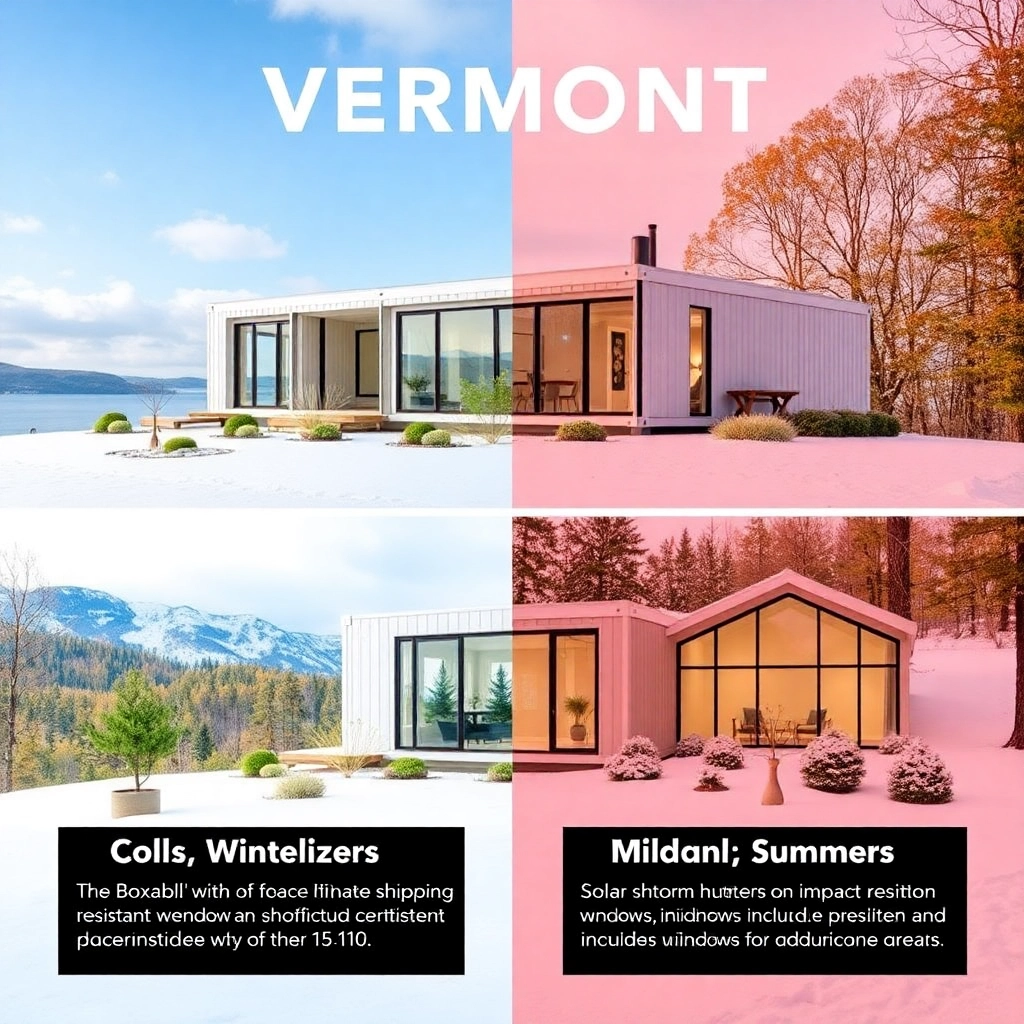
With the growing demand for affordable, sustainable, and adaptable housing options in Vermont, prefabricated homes, including popular choices like Boxabl units and shipping container homes, are gaining traction. Whether you’re in a Cold winters with heavy snowfall area or a Mild summers region, it’s essential to understand the requirements for a safe and compliant prefabricated home. This checklist will guide you through everything from planning and purchasing to setup, helping you prepare for your new home in Vermont. 1. Determine Your Budget and Financing Options Establish a Budget: While prefabricated homes are typically more affordable than traditional housing, costs can vary based on factors like delivery distance, site preparation, and modifications for Vermont’s specific building codes. Explore Financing: Depending on where you’re located, lenders may have different policies for prefabricated homes, especially in areas with Cold winters with heavy snowfall considerations. Check with your lender to see if they support financing for your chosen prefabricated model. 2. Choose the Right Prefabricated Home for Vermont’s Climate Boxabl Homes: Known for quick assembly and high-quality design, Boxabl homes are a solid choice for those seeking compact, resilient living spaces. Many Boxabl models are built to withstand Cold winters with heavy snowfall, making them ideal for coastal regions in Vermont. Shipping Container Homes: Shipping container homes are durable and versatile, often used in areas with Mild summers. These homes can be customized with enhanced insulation and weatherproofing to fit Vermont’s climate. 3. Research Vermont’s Building Codes and Zoning Regulations Permit Requirements: Different states have unique requirements for prefabricated structures. In Vermont, check with local authorities about specific permits for Boxabl or container homes, and review zoning restrictions that may limit where prefabricated homes can be placed. Code Compliance: Prefabricated homes must meet Vermont’s building codes, especially if you’re in an area prone to Mild summers. Make sure your selected home is rated for the local environmental conditions. 4. Prepare the Site and Plan for Utility Connections Site Preparation: Most prefabricated homes require a stable foundation. In Cold winters with heavy snowfall areas, secure anchoring is often necessary to withstand strong winds, while regions with cold winters may need additional ground insulation. Utility Setup: In Vermont, utility setups may vary based on climate. Coastal homes, for example, may need additional stormproofing measures, while homes in colder regions benefit from insulated water and electric lines. 5. Consider Insulation, Weatherproofing, and Energy Efficiency Insulation for Vermont’s Climate: Prefabricated homes in Vermont should be equipped with insulation suited to the local climate. If you live in a region with cold winters, closed-cell spray foam or rigid foam board insulation can improve energy efficiency. In Cold winters with heavy snowfall areas, reflective coatings and ventilated design help manage temperature and prevent condensation. Weatherproofing Measures: Boxabl units and container homes may require additional weatherproofing based on Vermont’s climate. Impact-resistant windows and sealed seams help protect against storm damage and extreme temperatures. 6. Plan for Delivery and Installation in Vermont Delivery Logistics: Prefabricated homes often require transport by large vehicles. Rural or mountainous areas in Vermont may need special delivery arrangements. Assembly Needs: While some homes arrive pre-assembled, others need on-site setup. Areas with Cold winters with heavy snowfall, such as hurricane-prone regions, may require additional bracing or anchoring during installation to ensure stability. 7. Personalize Your Home to Suit Vermont’s Lifestyle Customization: Boxabl and shipping container homes offer modularity that can be tailored to fit Vermont’s lifestyle needs. Whether you need extra insulation for cold winters or larger windows for sunny regions, these homes are highly adaptable. Outdoor Enhancements: In Vermont, adding features like a deck or storm shutters may enhance comfort and safety, particularly in areas with seasonal weather patterns. 8. Verify Insurance Options for Prefabricated Homes in Vermont Insurance Needs: Prefabricated homes in Vermont often require specialized insurance, especially in areas with storm risks or flood zones. Contact local providers to discuss coverage options that meet Vermont’s requirements.

The Ultimate Checklist for Buying a Prefabricated Home in Vermont: Boxabl, Shipping Container Homes, and More Read More »

The Ultimate Checklist for Buying a Prefabricated Home in Wisconsin: Boxabl, Shipping Container Homes, and More

With the growing demand for affordable, sustainable, and adaptable housing options in Wisconsin, prefabricated homes, including popular choices like Boxabl units and shipping container homes, are gaining traction. Whether you’re in a Very cold winters with heavy snowfall area or a Hot humid summers with thunderstorms region, it’s essential to understand the requirements for a safe and compliant prefabricated home. This checklist will guide you through everything from planning and purchasing to setup, helping you prepare for your new home in Wisconsin. 1. Determine Your Budget and Financing Options Establish a Budget: While prefabricated homes are typically more affordable than traditional housing, costs can vary based on factors like delivery distance, site preparation, and modifications for Wisconsin’s specific building codes. Explore Financing: Depending on where you’re located, lenders may have different policies for prefabricated homes, especially in areas with Very cold winters with heavy snowfall considerations. Check with your lender to see if they support financing for your chosen prefabricated model. 2. Choose the Right Prefabricated Home for Wisconsin’s Climate Boxabl Homes: Known for quick assembly and high-quality design, Boxabl homes are a solid choice for those seeking compact, resilient living spaces. Many Boxabl models are built to withstand Very cold winters with heavy snowfall, making them ideal for coastal regions in Wisconsin. Shipping Container Homes: Shipping container homes are durable and versatile, often used in areas with Hot humid summers with thunderstorms. These homes can be customized with enhanced insulation and weatherproofing to fit Wisconsin’s climate. 3. Research Wisconsin’s Building Codes and Zoning Regulations Permit Requirements: Different states have unique requirements for prefabricated structures. In Wisconsin, check with local authorities about specific permits for Boxabl or container homes, and review zoning restrictions that may limit where prefabricated homes can be placed. Code Compliance: Prefabricated homes must meet Wisconsin’s building codes, especially if you’re in an area prone to Hot humid summers with thunderstorms. Make sure your selected home is rated for the local environmental conditions. 4. Prepare the Site and Plan for Utility Connections Site Preparation: Most prefabricated homes require a stable foundation. In Very cold winters with heavy snowfall areas, secure anchoring is often necessary to withstand strong winds, while regions with cold winters may need additional ground insulation. Utility Setup: In Wisconsin, utility setups may vary based on climate. Coastal homes, for example, may need additional stormproofing measures, while homes in colder regions benefit from insulated water and electric lines. 5. Consider Insulation, Weatherproofing, and Energy Efficiency Insulation for Wisconsin’s Climate: Prefabricated homes in Wisconsin should be equipped with insulation suited to the local climate. If you live in a region with cold winters, closed-cell spray foam or rigid foam board insulation can improve energy efficiency. In Very cold winters with heavy snowfall areas, reflective coatings and ventilated design help manage temperature and prevent condensation. Weatherproofing Measures: Boxabl units and container homes may require additional weatherproofing based on Wisconsin’s climate. Impact-resistant windows and sealed seams help protect against storm damage and extreme temperatures. 6. Plan for Delivery and Installation in Wisconsin Delivery Logistics: Prefabricated homes often require transport by large vehicles. Rural or mountainous areas in Wisconsin may need special delivery arrangements. Assembly Needs: While some homes arrive pre-assembled, others need on-site setup. Areas with Very cold winters with heavy snowfall, such as hurricane-prone regions, may require additional bracing or anchoring during installation to ensure stability. 7. Personalize Your Home to Suit Wisconsin’s Lifestyle Customization: Boxabl and shipping container homes offer modularity that can be tailored to fit Wisconsin’s lifestyle needs. Whether you need extra insulation for cold winters or larger windows for sunny regions, these homes are highly adaptable. Outdoor Enhancements: In Wisconsin, adding features like a deck or storm shutters may enhance comfort and safety, particularly in areas with seasonal weather patterns. 8. Verify Insurance Options for Prefabricated Homes in Wisconsin Insurance Needs: Prefabricated homes in Wisconsin often require specialized insurance, especially in areas with storm risks or flood zones. Contact local providers to discuss coverage options that meet Wisconsin’s requirements.

The Ultimate Checklist for Buying a Prefabricated Home in Wisconsin: Boxabl, Shipping Container Homes, and More Read More »