...

engineer foundation letter

Manufactured Home Foundation Letters vs. Old Decks & Stairs: What Really Affects Your Loan?

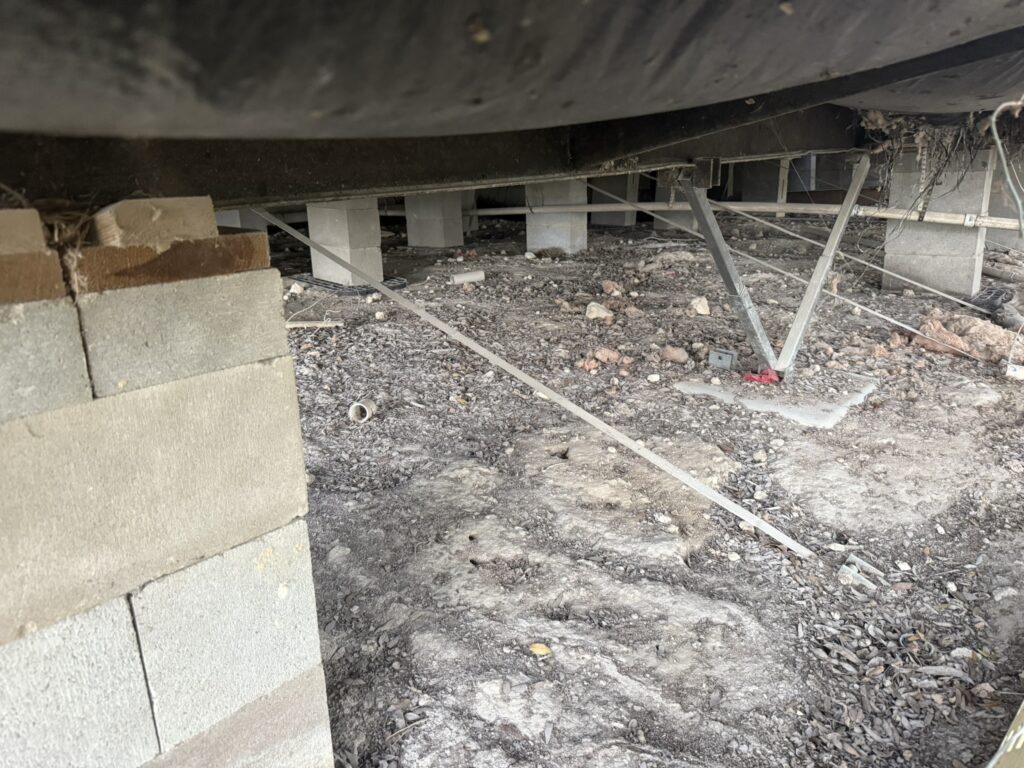
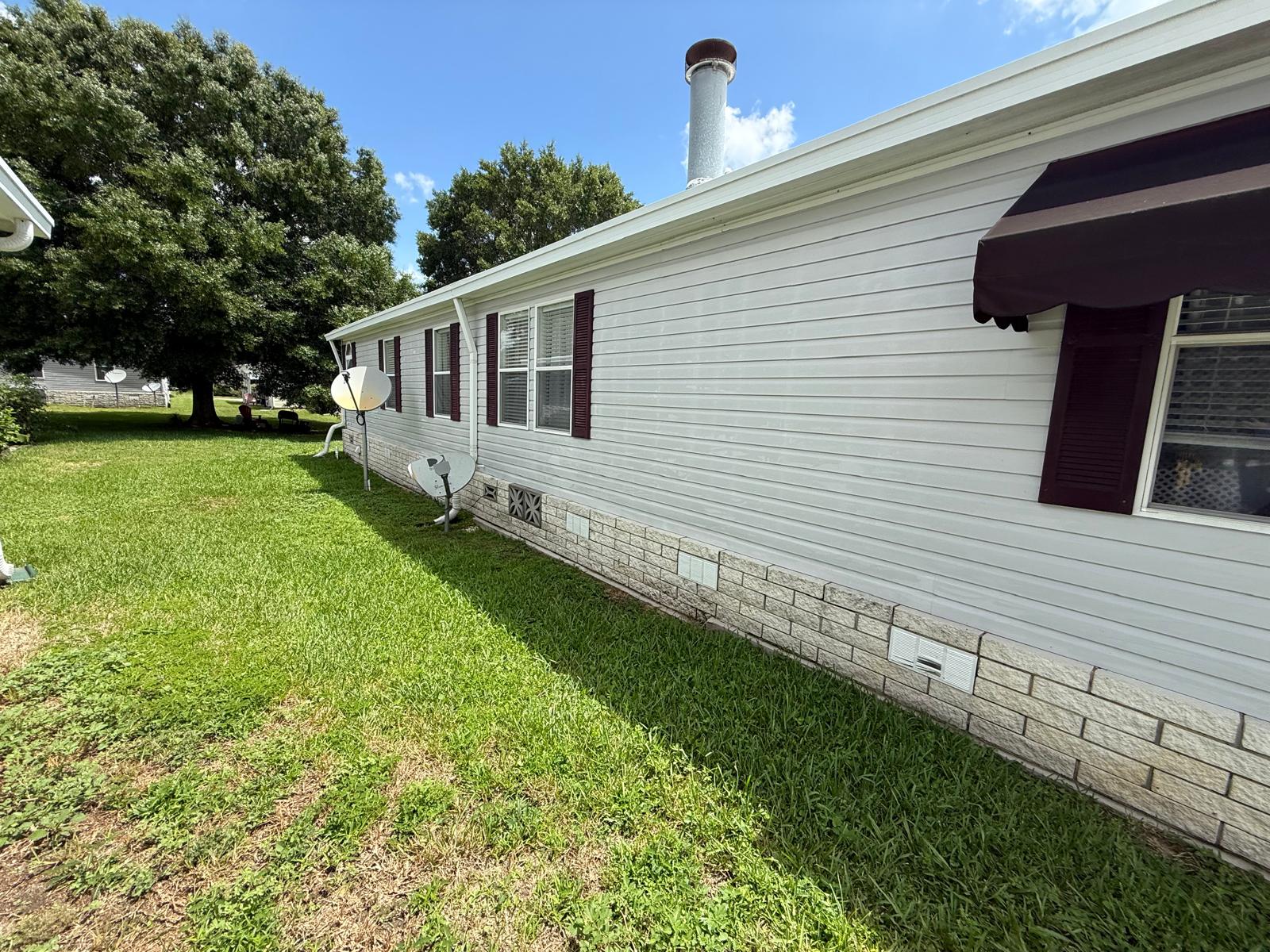
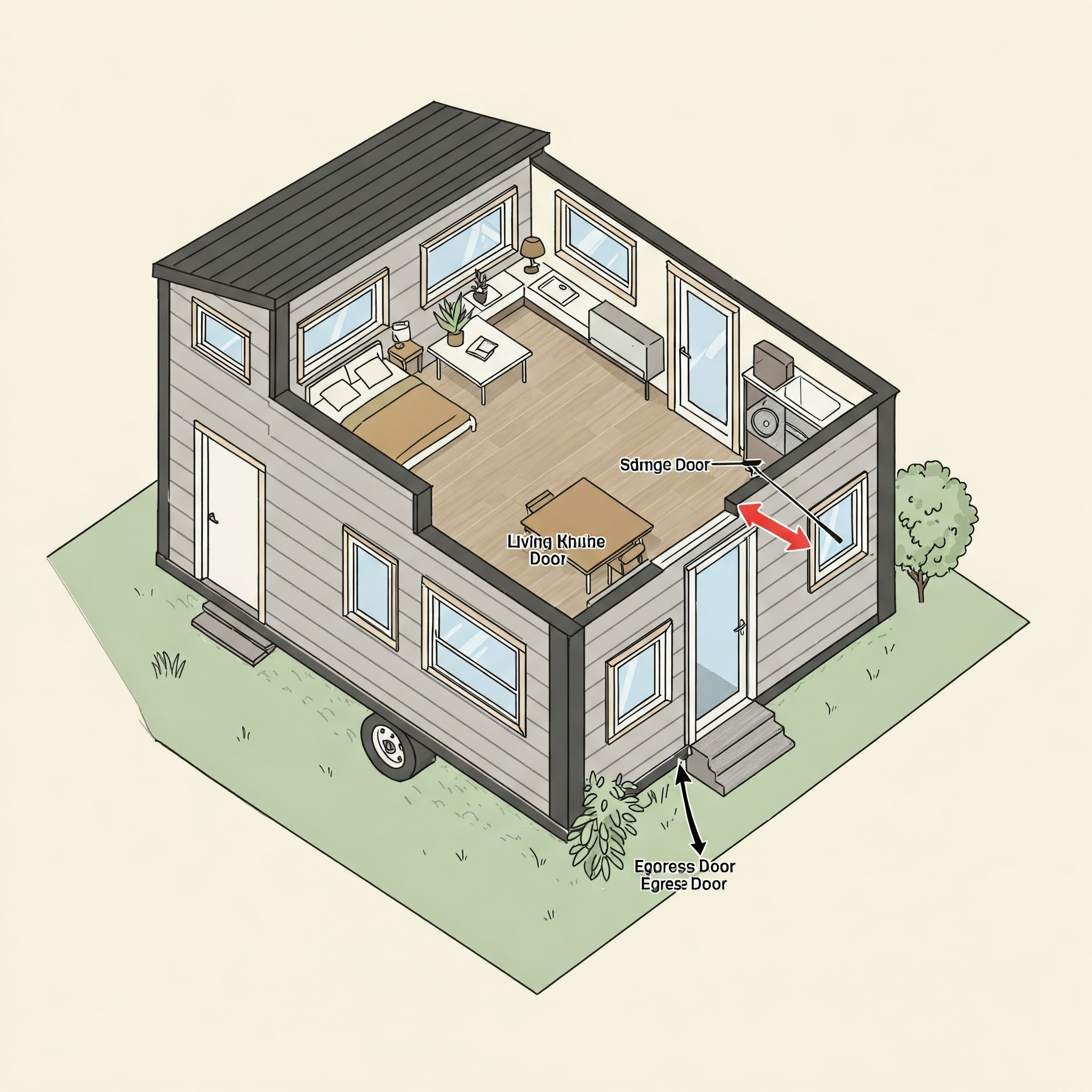
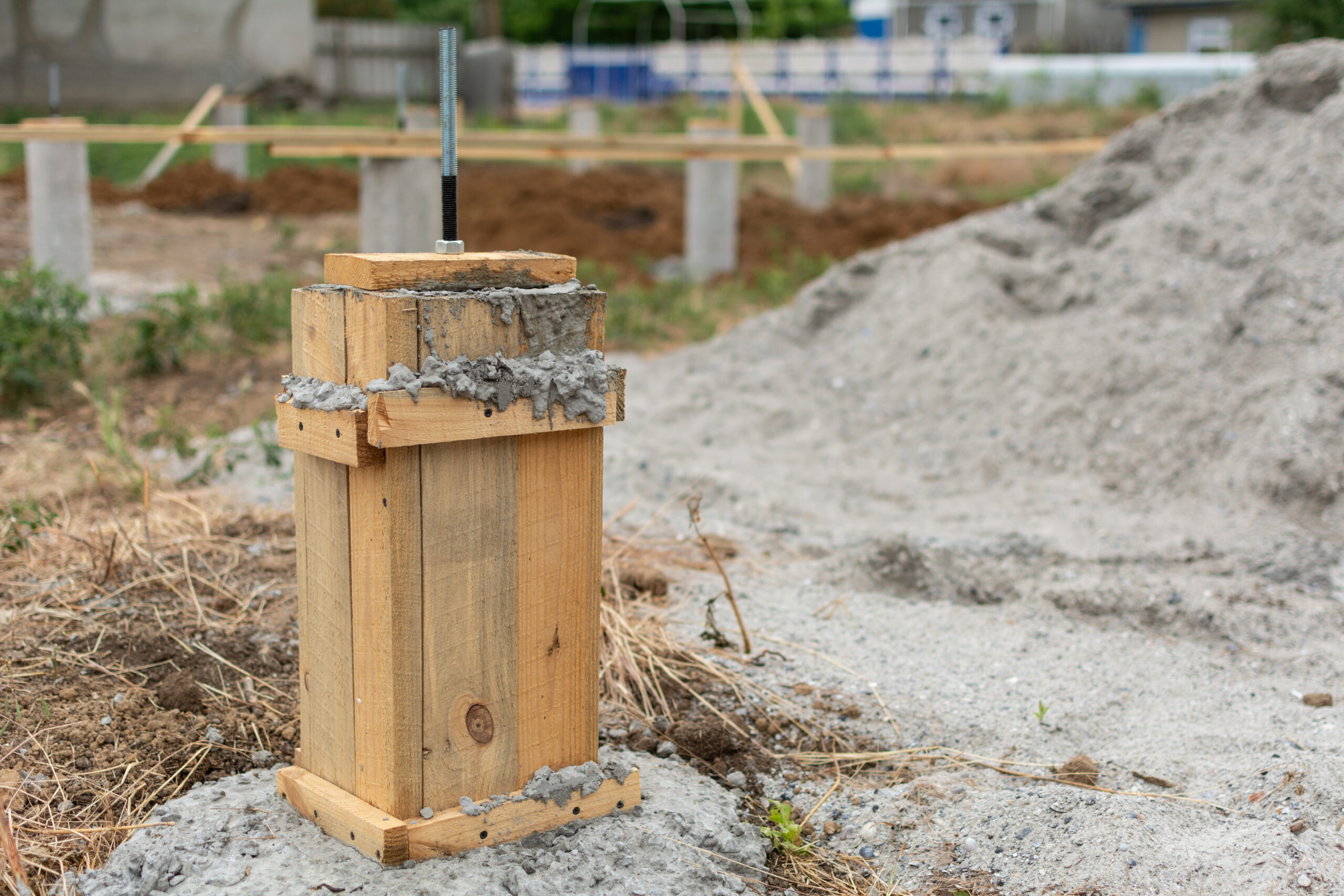
During a recent inspection on a manufactured home, I took the opportunity to document two very common conditions I see during foundation certifications: This situation comes up all the time—especially with homes that are 10–30+ years old. The big question homeowners ask is: “If my deck or stairs are old or not built to today’s code, will that ruin my loan or foundation letter?” The Short Answer Not automatically.But it depends on how the structure relates to the manufactured home and how it’s addressed. What a Manufactured Home Foundation Letter Actually Covers A manufactured home foundation letter (HUD Permanent Foundation Certification) is focused on one thing: 👉 Whether the manufactured home itself is properly supported, anchored, and performing as a permanent foundation system per HUD requirements. This includes: It does not automatically certify: Those items are considered on-site structures, not part of the HUD foundation system. The purpose of the foundation letter is not to certify every structure on the property. The manufactured home’s primary structural support and permanent foundation system are not negatively affected by accessory structures such as decks, stairs, or porches. So What Happens If the Deck or Stairs Are in Poor Condition? Here’s how lenders typically view it: Case 1: Deck/Stairs Are Independent If the deck or stairs: Then: This is very common for secondary exits, rear stairs, or older add-ons. Case 2: Deck/Stairs Are Structurally Attached If the deck or stairs: Then: Will This Kill a Refinance or Purchase Loan? Usually, no—but it can delay it if handled poorly. Problems arise when: A properly written engineering letter: This approach protects: How I Handle This in My Foundation Letters When I encounter aging or sub-standard stairs or decks, I typically: This keeps the letter: And most importantly—it keeps loans moving. Any visible safety-related conditions observed during the site visit are communicated to the owner for maintenance or repair consideration and are documented separately from the manufactured home foundation certification scope. Bottom Line for Homeowners If you’re refinancing, selling, or purchasing a manufactured home and the lender is asking for a foundation letter, the goal is clarity—not perfection. Need a Manufactured Home Foundation Letter? We provide HUD-compliant manufactured home foundation letters nationwide, written specifically for mortgage, refinance, and underwriting use. The purpose of this evaluation is to determine whether the manufactured home’s primary foundation and anchorage system is structurally adequate and whether the presence or condition of accessory structures adversely affects the performance of the manufactured home foundation system. 👉 Learn more or request a letter here:https://oasisengineering.com/manufactured-home-foundation-letter/

Manufactured Home Foundation Letters vs. Old Decks & Stairs: What Really Affects Your Loan? Read More »

After-the-Fact Foundation Certification for Existing Metal Building

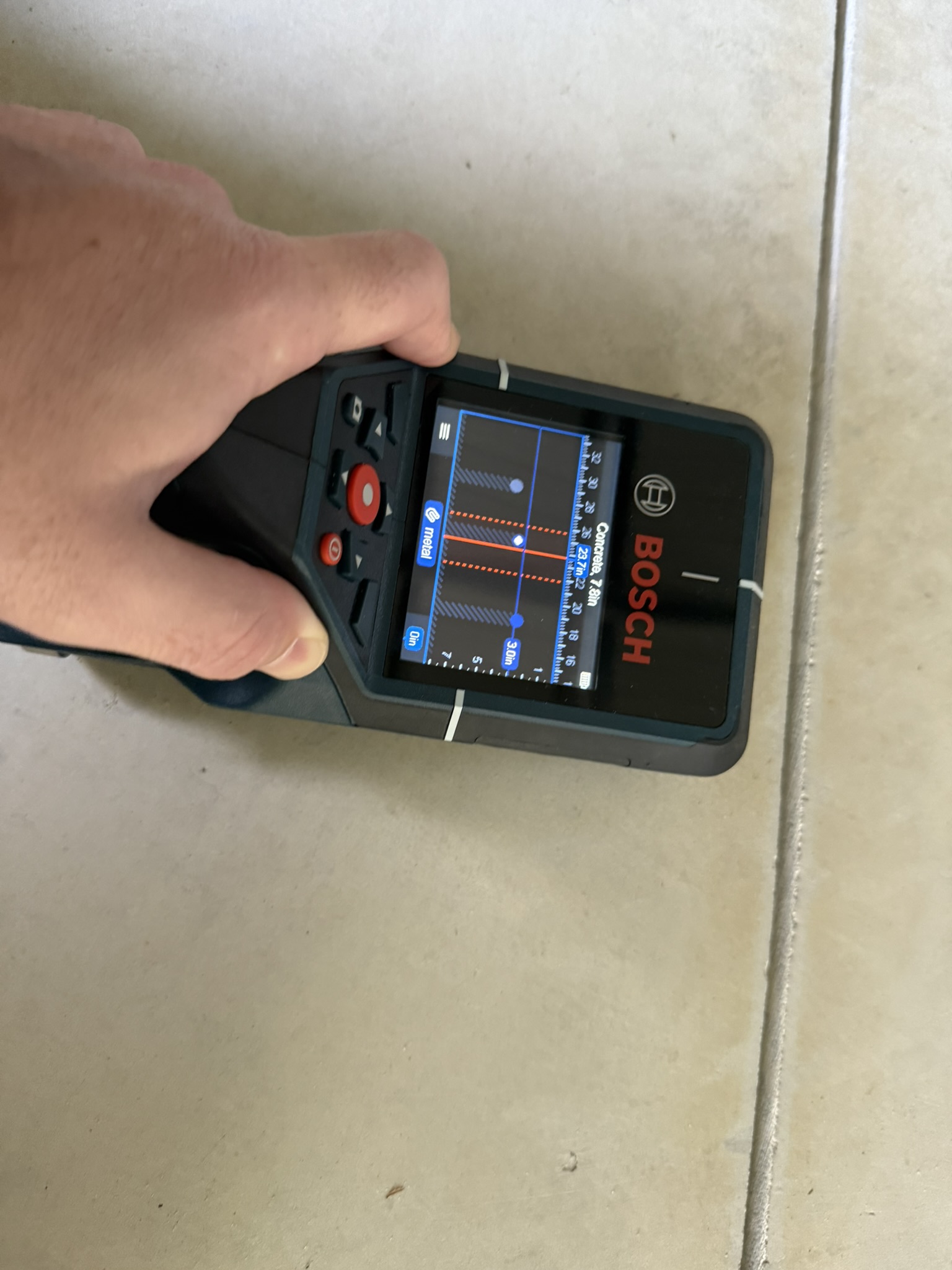
📘 Case Study Project Type:Residential accessory metal building (storage / garage use, non-habitable) Jurisdiction:Florida (2023 Florida Building Code) Project Background:The metal building structure had been properly permitted and inspected; however, the existing concrete slab foundation had been constructed without a permit or prior inspection. During final review, the building inspector required an engineer-stamped foundation certification letter verifying that the slab foundation was adequate and compliant with applicable code requirements in order to approve the permit. 🧠 Engineering Scope Provided Oasis Engineering was retained to perform an existing foundation verification and certification, limited to evaluation of the slab supporting a residential accessory structure. No new foundation design, detailing, or engineered drawings were included in this scope as the owner already had plans and permits. 🔍 Field Verification Process During the site visit, our engineer: All verification methods were non-destructive, appropriate for existing construction, and consistent with professional engineering practice for after-the-fact evaluations. ✅ Outcome Based on the field verification and submitted documentation: 🛠️ Key Takeaway After-the-fact foundation issues do not automatically require demolition, replacement, or redesign. With proper engineering review, documentation, and verification, many existing slabs can be evaluated and, when appropriate, certified to meet applicable code requirements—allowing projects to move forward efficiently and responsibly. ⚡ How This Case Study Connects to Our Services This project illustrates the two primary ways Oasis Engineering assists homeowners and contractors with existing slab foundation certification. Option 1 — Engineer Site Visit Best suited for: ✔ Typical cost: $500–$700 (depending on location).✔ Includes on-site verification and engineer-stamped certification letter (if compliant) Option 2 — DIY Concrete Slab Verification Kit Best suited for: ✔ Engineer-reviewed submissions✔ Same certification letter issued only if standards are met✔ $199 kit, creditable toward a full site visit if needed This option utilizes homeowner-collected documentation reviewed by a licensed professional engineer. Final certification is issued solely at the engineer’s discretion and only when submitted data confirms compliance with applicable code requirements.

After-the-Fact Foundation Certification for Existing Metal Building Read More »

Foundation Engineer Texas

🏗️ Foundation Engineering Letters in Dallas: What You Need to Know (IRC Chapter 4 + Texas Requirements)
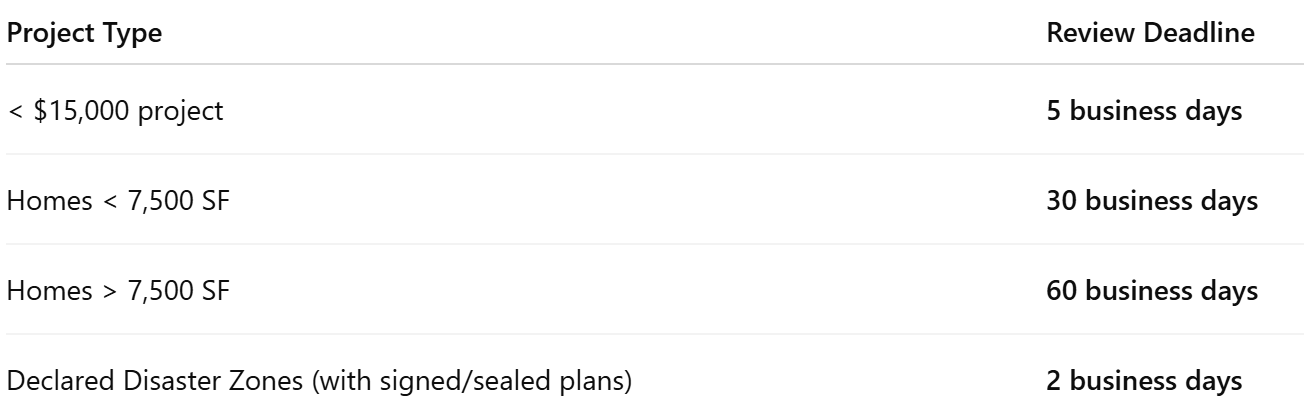
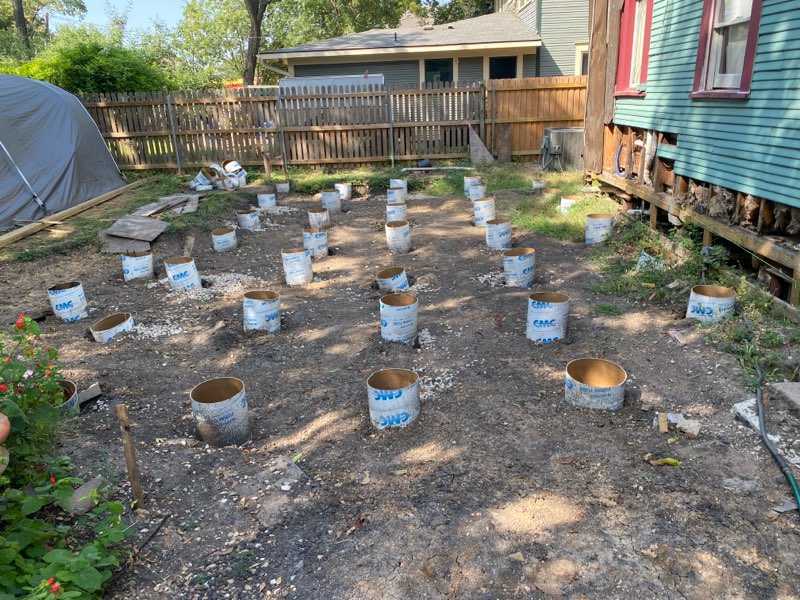
🏗️ Foundation Engineering Letters in Dallas: What You Need to Know (IRC Chapter 4 + Texas Requirements) When building or remodeling in Dallas or other parts of Texas, it’s common for city inspectors or homeowners to request a foundation letter from a licensed structural engineer. But what does this mean — and how is it different from what you’d need in a state like Florida? At Oasis Engineering, we frequently handle these requests across Texas, and we’re breaking down the key details you need to know to stay compliant with the 2021 IRC, local building departments, and engineering best practices. 📘 What Does IRC Chapter 4 Say About Foundations? Chapter 4 of the International Residential Code (IRC) governs all things foundation — including footings, piers, stem walls, and more. It ensures your foundation can: The key section for Dallas and Texas is: IRC R401.2:“Foundation construction shall be capable of accommodating all loads in accordance with Section R301 and of transmitting the resulting loads to the supporting soil…” In Texas, every foundation or any addition to a foundation must be sealed by a licensed engineer per state law. 🏠 Common Foundation Letter Requests in Dallas In Dallas, we typically receive foundation letter requests for: Unlike Florida, where a full set of sealed structural drawings is almost always required for any permit, Texas allows more flexibility. An engineer letter is often enough to satisfy the city — but it must be based on engineering calculations and site-specific information (design parameters, photos, spacing, pier count, etc.). 📏 What’s Included in a Foundation Certification Letter? A typical Oasis Engineering foundation letter includes: 📍 Dallas-Specific Notes ✍️ When You Need a Texas PE Stamp Even with flexible requirements, any structural certification or analysis in Texas must be sealed by a PE (Professional Engineer) licensed in the state. Oasis Engineering holds an active Texas PE license and regularly provides letters for DFW cities including: 🧠 Bottom Line: More Flexibility, Still Needs Engineering If you’re building a home addition, modifying piers, or replacing framing over an existing crawl space — chances are your city inspector or plan reviewer will ask for a foundation engineer letter. In Texas, this doesn’t always mean a full set of structural plans — but it does require a licensed engineer’s stamp and confirmation that your foundation is safe, stable, and code-compliant. ✅ Need a Foundation Letter Fast? We can usually turn these around in 1–3 business days with photos, a sketch, and key dimensions. Just send us: 📩 Ready to get started?Reach out at OasisEngineering.com/contact. We’ll get you a certified letter, stamped by a Texas PE, with code references and engineering calculations to back it up.

🏗️ Foundation Engineering Letters in Dallas: What You Need to Know (IRC Chapter 4 + Texas Requirements) Read More »

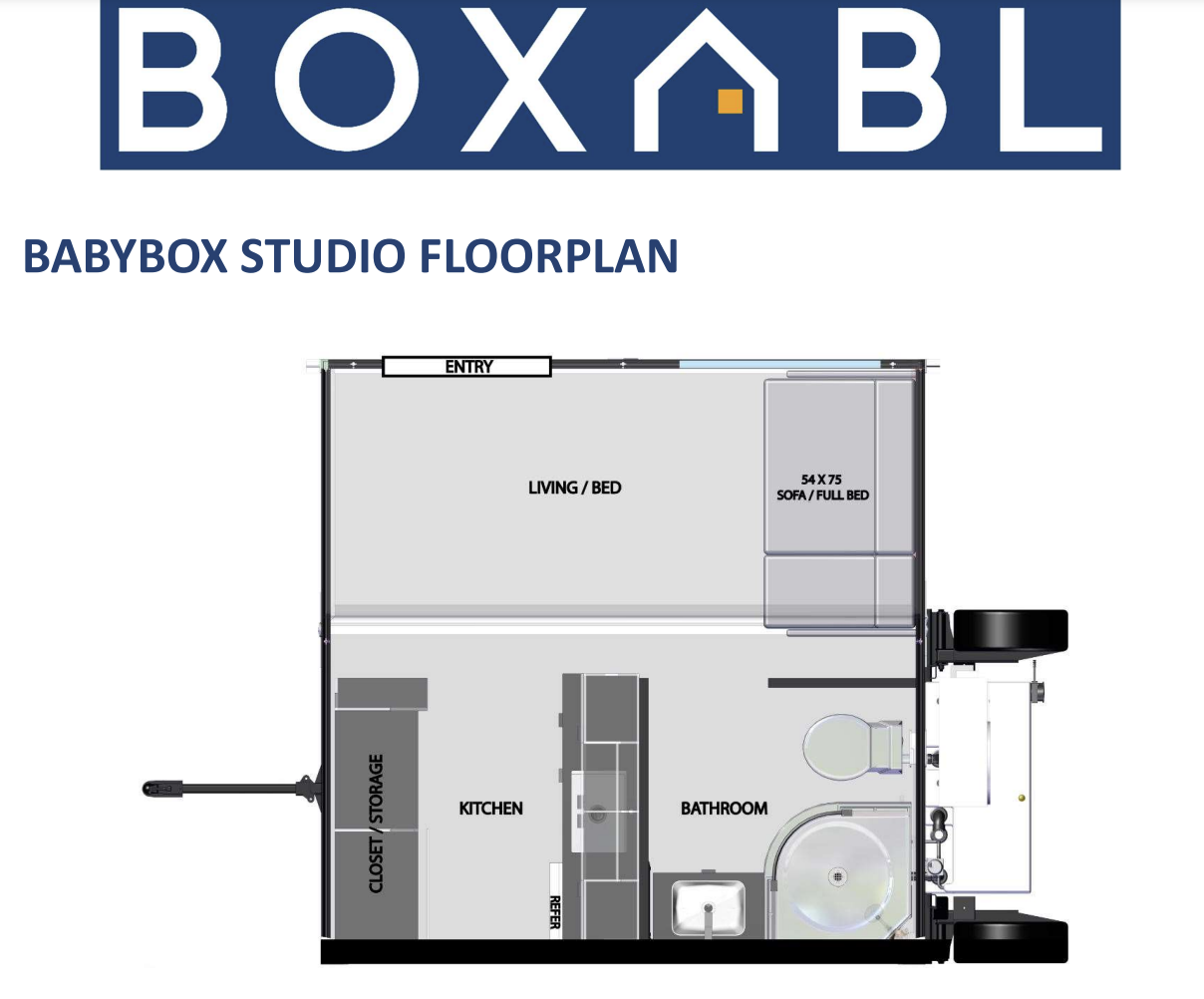
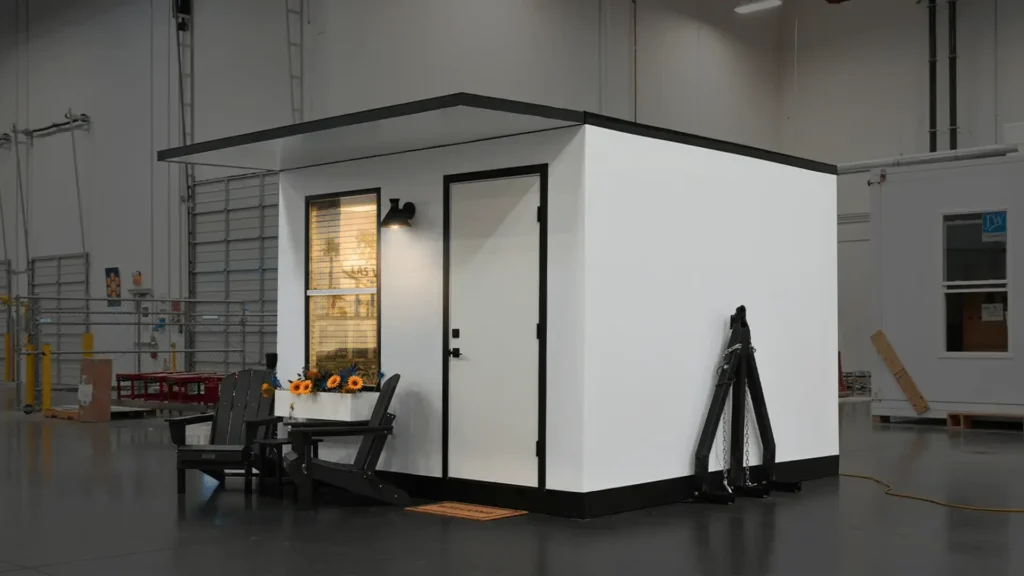
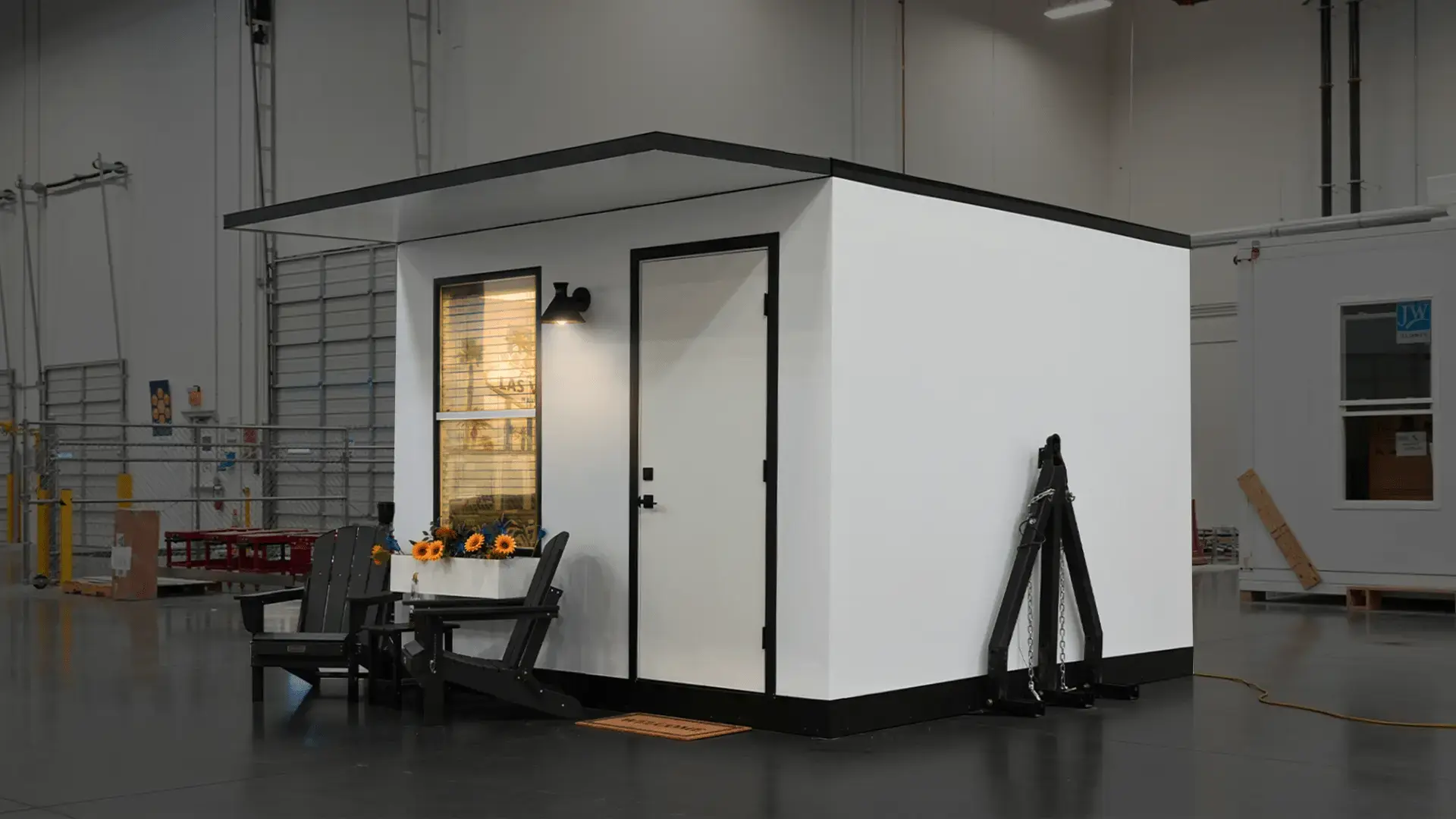
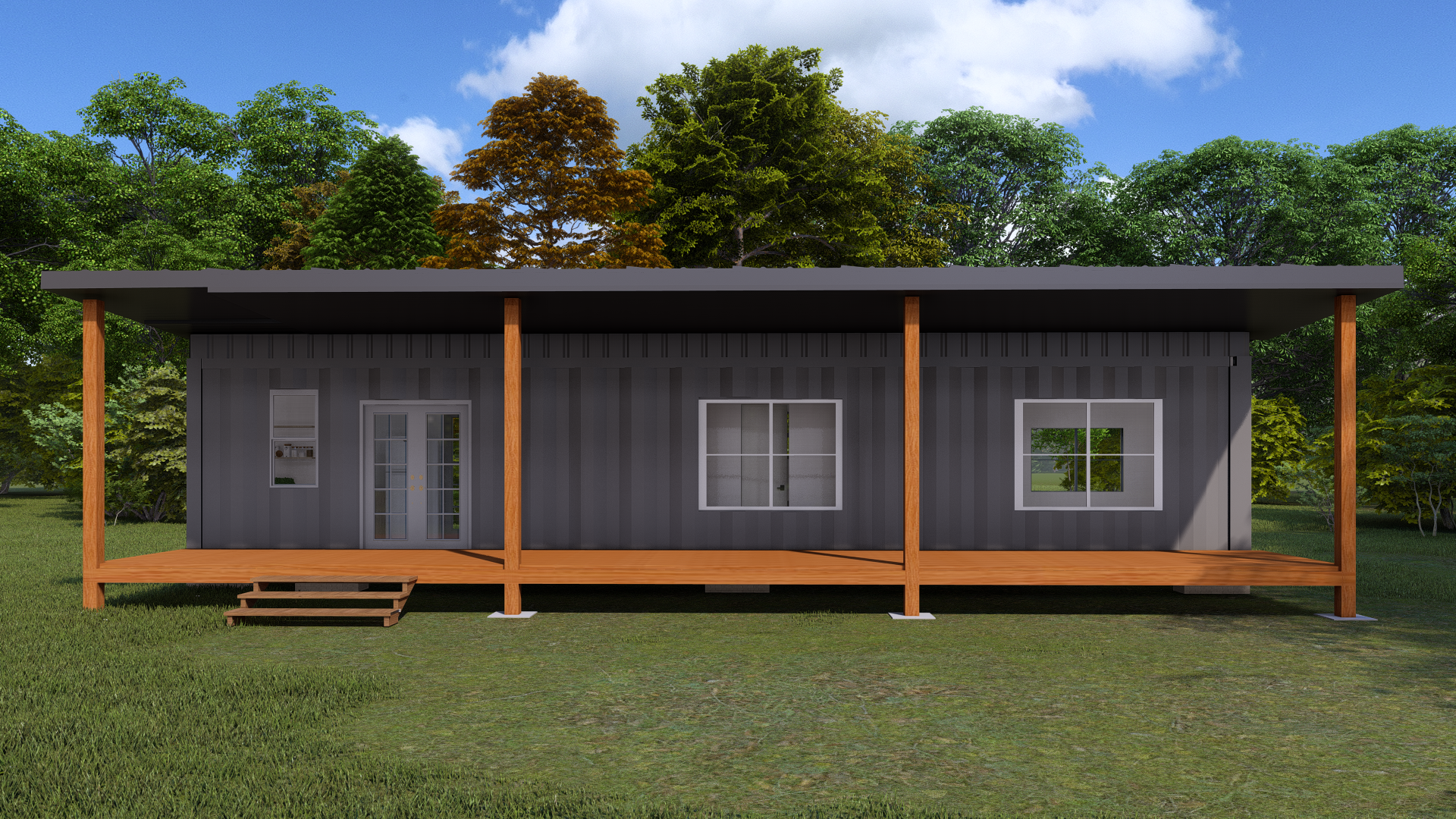
Baby Boxabl, Source: https://www.boxabl.com/baby-box

🏗️ Boxabl Foundation Engineering: What You Need and What We Provide

🏗️ Boxabl Foundation Engineering: What You Need and What We Provide If you’re planning to install a Boxabl Casita on your property, you’ve probably noticed that getting the unit is just one part of the equation. Before you can move in or get approval to build, you’ll need something crucial: 👉 Stamped structural engineering plans for your foundation. That’s where we come in. 💼 Our Role in Your Boxabl Project We do not sell or build Boxabl homes.Instead, we provide the engineering services needed to get your Boxabl unit legally permitted and installed. Oasis Engineering LLC offers professional, PE-stamped foundation plans tailored to your property and local code requirements. We’ve helped hundreds of clients across the U.S. get their Boxabl homes permitted and built on solid ground. Learn more about our dedicated service here:🔗 BoxablFoundations.com 📄 What’s Included in Our Engineering Packages We specialize in stamped drawings and structural support documentation required for permitting. Every city and county is different, but most projects require: Service Description Stamped Foundation Plan Permit-ready drawings stamped by a licensed engineer (PE) Wind & Seismic Calculations Based on your exact site and local code zone Slab, Pier, or Crawlspace Design Customized to your site and soil conditions Anchor Bolt / Slab Layouts Ensures proper Boxabl install Site-Specific Modifications If your site has slopes, setbacks, or custom needs We’re known for fast turnaround, straightforward pricing, and clean permit-ready plans. 📜 Manufactured Home Foundation Certifications Some states and lenders consider Boxabl units “manufactured homes” and require a HUD-style Foundation Certification Letter. We offer this service as well. If you’re working with a lender or a building department that requests this documentation, visit:🔗 Manufactured Home Foundation Letters → Fast Turnaround Service. 🌎 Areas We Serve We are licensed in multiple high-demand states, including: And we’re expanding. If you’re not on this list, contact us — we may still be able to help. ❌ What We Don’t Do (Just So We’re Clear) We’re not Boxabl. We’re not contractors. Here’s what we don’t do: We’re engineers. We design the foundation and give you the stamped plans to get your permit. ✅ Ready to Start? If you’ve already purchased a Boxabl unit — or are in the process — we can help you move forward with permitting. Get your quote today:📩 oasisengineering.com/contact Or explore our Boxabl-specific resource site:🔗 BoxablFoundations.com Oasis Engineering LLCTrusted by homeowners, builders, and Boxabl buyers nationwide.813-694-8989 | info@oasisengineering.com

🏗️ Boxabl Foundation Engineering: What You Need and What We Provide Read More »

Turning a Boxabl into Real Property: Why a Foundation Certification Matters

Turning a Boxabl into Real Property: Why a Foundation Certification Matters Boxabl homes are one of the most exciting innovations in modular housing — sleek, compact, and delivered to your site in a foldable box. But no matter how futuristic the design, lenders still ask one simple question: “Is it real property?” If you’re using an FHA, VA, or USDA loan to purchase or refinance a Boxabl unit, the answer hinges on one critical detail:👉 An engineer-certified permanent foundation. Boxabl: Personal Property vs. Real Property When a modular home like a Boxabl is first delivered, it’s treated as personal property — much like an RV or trailer. It isn’t considered “real estate” until it meets HUD’s Permanent Foundation Guidelines and is attached to land you own. That’s where a foundation certification comes in. A licensed engineer must inspect and certify that the Boxabl is installed on a permanent, code-compliant foundation system — making it eligible to be classified as real property for lending and title purposes. Why This Matters for FHA & VA Loans HUD guidelines (which FHA, VA, and USDA loans follow) require that any manufactured or modular home: Without a stamped foundation letter, your Boxabl may: How Foundation Certifications Work (The Oasis Way) At Oasis Engineering, we specialize in certifying nontraditional, modular, and manufactured housing — including Boxabl units. Here’s our streamlined process: ✅ On-site inspection of the Boxabl foundation system✅ Verification of HUD/FHA compliance✅ Stamped Engineer’s Foundation Certification Letter (within 1–2 business days)✅ Ready to submit with lender, title company, or underwriter We evaluate critical components like: Whether your Boxabl sits on a slab, perimeter stem wall, or pier system, we can determine if it meets the HUD Permanent Foundations Guide for Manufactured Housing (PFGMH, 1996) — the gold standard required for loan approval. Make Your Boxabl Mortgage-Ready Don’t let confusion about foundations delay your project. If you’re: …you’ll need a certified foundation letter from a licensed professional engineer. ✅ Get a Boxabl Foundation Certification from Oasis Engineering We proudly serve clients in:Florida, Texas, Arizona, Georgia, Nevada, South Carolina, and more. With experience in tiny homes, modular builds, and innovative housing systems, we’re uniquely equipped to support next-gen housing like Boxabl. 👉 Request Your Foundation Certification Now Oasis Engineering LLCFast. Compliant. Affordable.Helping modular homes become mortgage-ready, one letter at a time.

Turning a Boxabl into Real Property: Why a Foundation Certification Matters Read More »

mobile home letter

Manufactured Home Foundation Engineer Letters

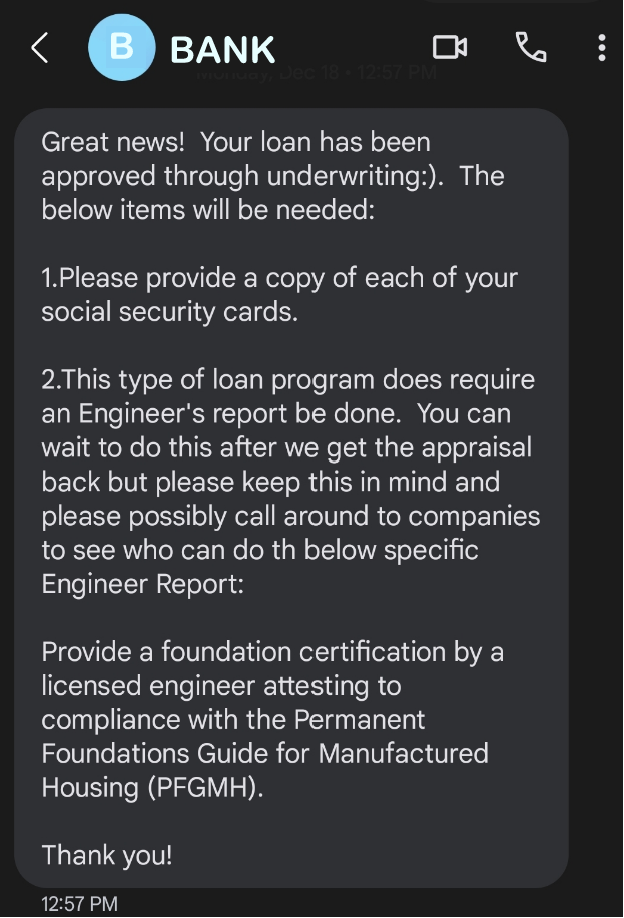
Manufactured Home Foundation Engineer Letters Understanding the Role of Engineering Certifications in Mortgage Compliance Why Real Property Classification Matters When it comes to manufactured housing, there is a fundamental distinction between personal property and real property—and this classification has significant implications for appraisals, lending, and title conversion. A manufactured home placed on land without a permanent foundation is typically considered personal property, similar to a vehicle. It may be titled separately from the land and financed differently, often with less favorable terms. However, once the home is permanently affixed to a foundation that meets HUD or other code requirements, it can be legally converted into real property—meaning it is treated the same as a traditional site-built home. This reclassification is what allows the home to: This transition from personal to real property is not automatic. It typically requires documentation, inspections, and in most cases, a foundation certification letter from a licensed professional engineer. The Appraisal Angle: Cost vs. Market Value Appraisers and underwriters often request the Cost Approach as part of their loan package—especially for new or recently installed manufactured homes. It is not uncommon for the new purchase cost (or build cost) of a manufactured home to be lower than the final appraised market value once installed. This is due to the added value of land improvements, including: This increase in value is only recognized if the property is properly classified as real property. The foundation engineer letter becomes a critical document in this process—it confirms that the home is installed according to HUD’s Permanent Foundations Guide for Manufactured Housing (PFGMH) and applicable local codes. What Is a Foundation Engineer Letter? A Manufactured Home Foundation Certification Letter is a formal document prepared by a licensed professional engineer (PE). It certifies that the foundation system complies with: This certification is often required by: Without this certification, the mortgage process may be delayed—or the property may not qualify for real property financing at all. Our Process At Oasis Engineering, we provide turnkey certification services for manufactured homes across the U.S. Our process includes: We also offer expedited service options when timing is critical for closings or underwriting deadlines. When to Request This Letter Learn More Visit: https://oasisengineering.com/manufactured-home-foundation-letter/ Includes detailed FAQ, video walkthrough, and intake form for service requests.

Manufactured Home Foundation Engineer Letters Read More »

✅ As-Built Foundation Certification for Pergola — McKinney, TX

✅ As-Built Foundation Certification for Pergola — McKinney, TX

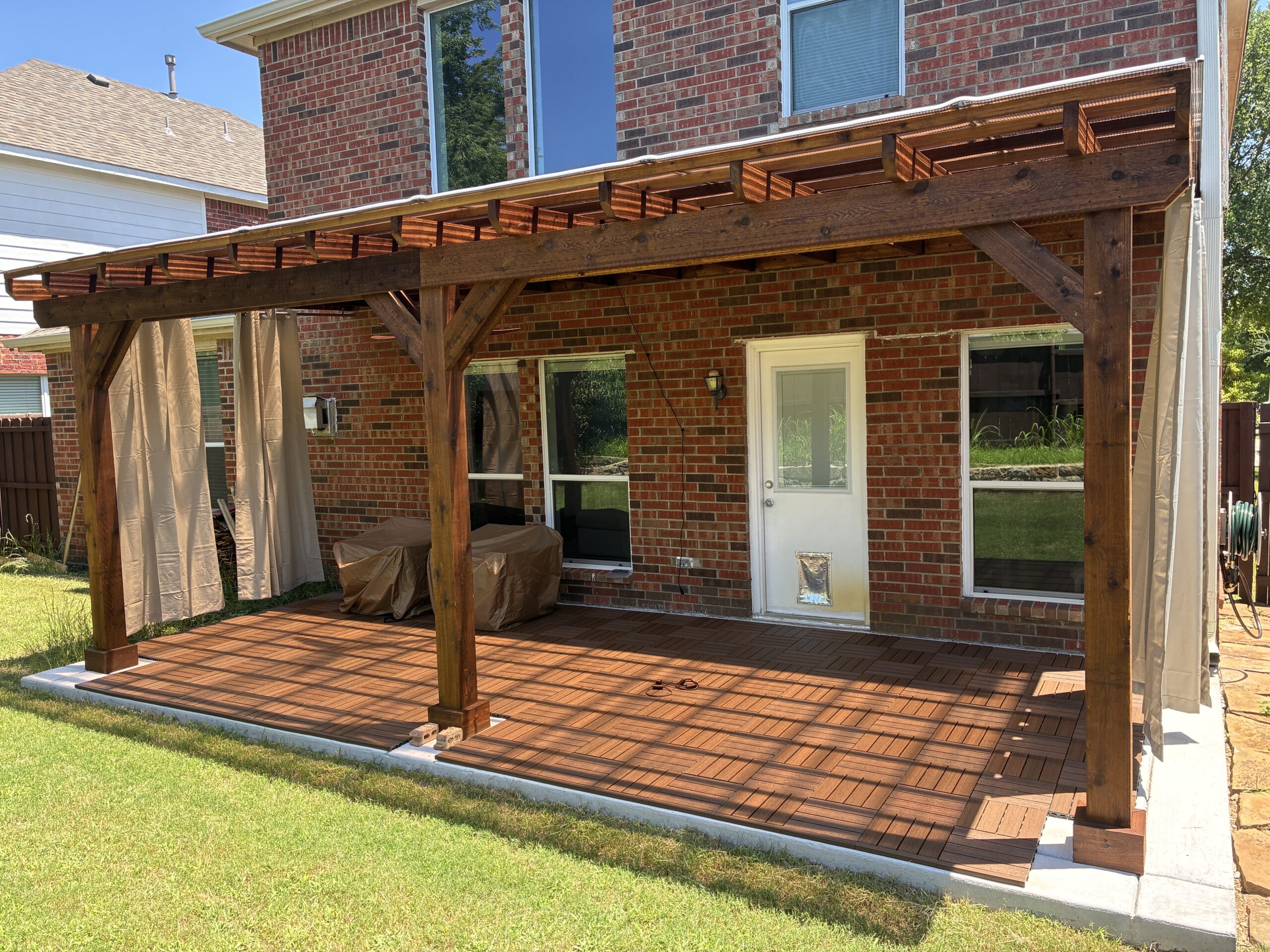
✅ As-Built Foundation Certification for Pergola — McKinney, TX Need an Engineering Letter for Your Pergola Foundation?In Texas, especially in growing communities like McKinney, many homeowners run into permit issues after completing work without inspections. If your contractor didn’t have a license or missed in-progress inspections during construction, the City may now require an As-Built Foundation Certification from a licensed Professional Engineer (PE). That’s where Oasis Engineering can help. We provide fast, reliable foundation engineering letters for residential accessory structures like pergolas, patios, and decks — helping homeowners meet permit requirements and avoid costly delays. 🏡 Project Example: Pergola Foundation Review — McKinney, TX In this McKinney project, a pergola was installed on an existing concrete patio without prior foundation inspections. The homeowner learned the City required: ✅ A certified engineering letter confirming the foundation’s adequacy.✅ A site-specific evaluation by a Texas-licensed Professional Engineer.✅ Documentation to satisfy permit and inspection requirements. Our client faced an all-too-common situation: 📏 Our Engineering Solution Oasis Engineering provided: ⚡ Important Notes About As-Built Certifications Every project is unique. Our foundation certification: ✅ Applies to residential accessory structures, like pergolas.✅ Confirms the foundation meets minimum standards for light structural loads.✅ Does not include full foundation design drawings (available upon request).✅ May require repairs or corrections if deficiencies are found during review. Oasis Engineering prioritizes compliance, safety, and transparency, ensuring homeowners meet City requirements without unnecessary hassle. 🎯 Need Your Pergola Foundation Certified? We provide fast, affordable As-Built Engineering Letters across Texas, including: ✔ McKinney✔ Dallas-Fort Worth Metroplex✔ Collin County and beyond Whether you missed inspections, changed contractors, or ran into permit challenges — we can help resolve your project. Order your Foundation Certification today. Contact Oasis Engineering to: ✅ Schedule your site review✅ Get a Texas PE-certified letter in as little as 1–3 business days✅ Move forward with City permits and approvals Don’t let missed inspections stall your project. Oasis Engineering delivers peace of mind — and permit compliance — with professional foundation evaluations for residential structures like pergolas and patios.

✅ As-Built Foundation Certification for Pergola — McKinney, TX Read More »

Eng Letter FAQ

Engineer Certification Letters — Common Questions | Oasis Engineering

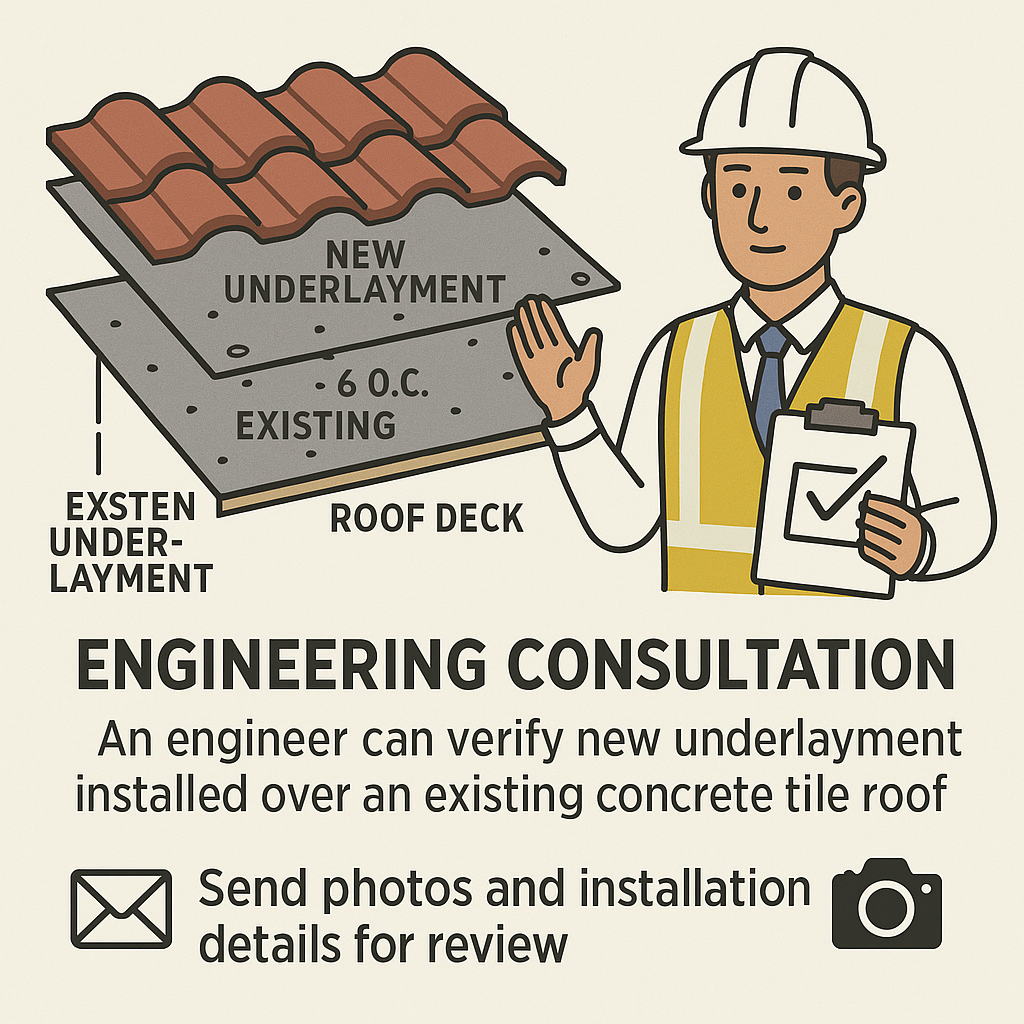
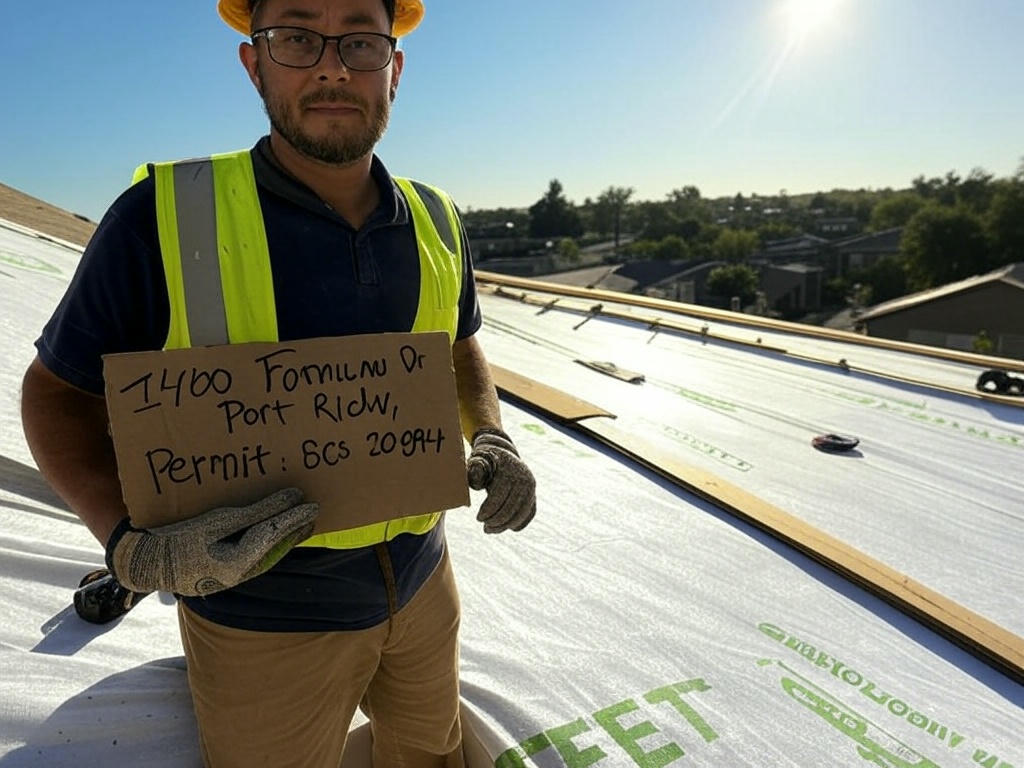
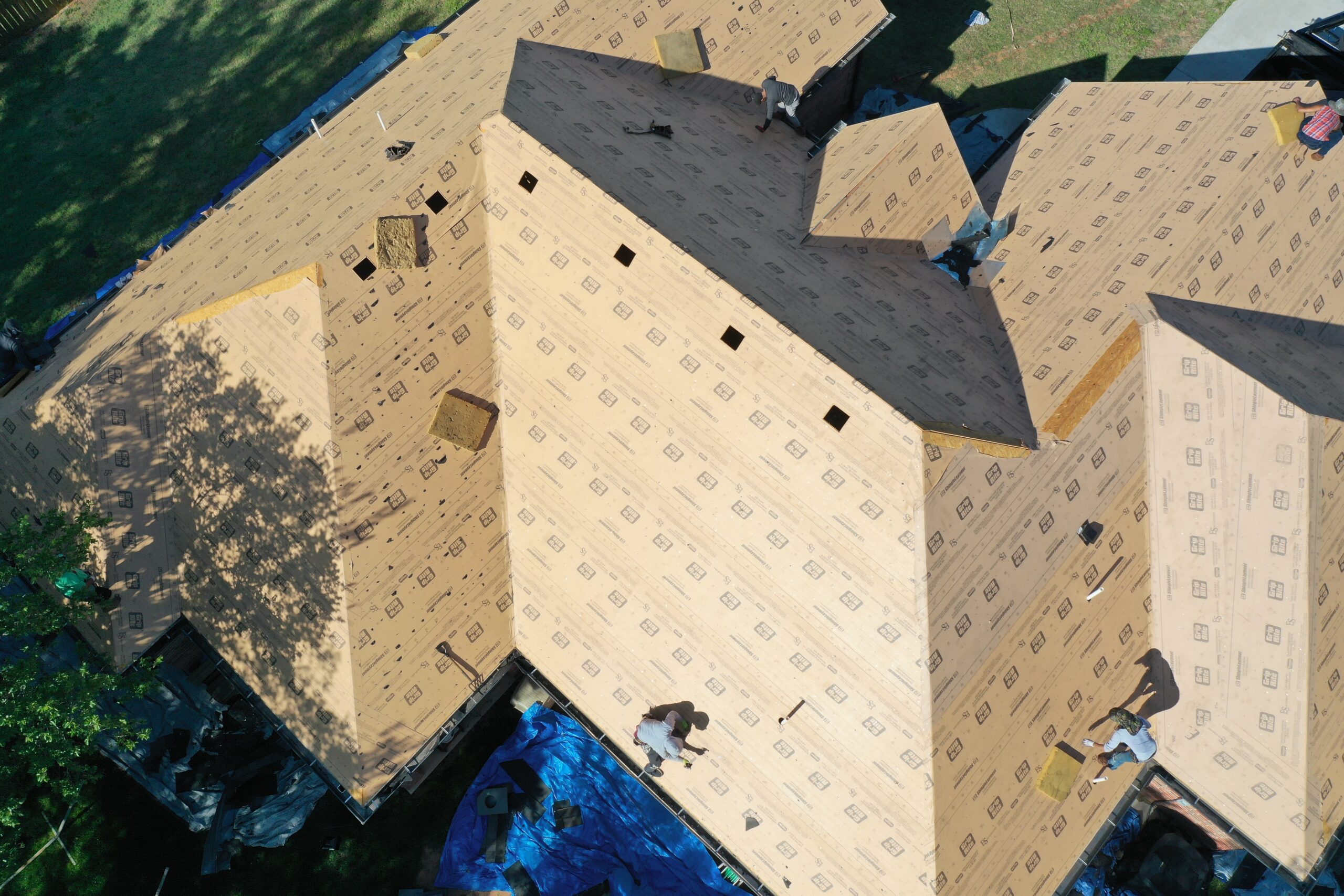
What Is an Engineer Certification Letter? An engineer certification letter is an official document prepared by a licensed professional engineer (PE) that verifies the structural condition, code compliance, or safety of a specific element of your property. These letters are often required by building departments, insurance companies, lenders, or during real estate transactions. At Oasis Engineering, we specialize in providing engineer letters to help homeowners, builders, and developers resolve permit issues, document repairs, or meet state and local code requirements. Common Engineer Letters We Provide: ✅ Engineer Letter for Permit Closure If you’ve completed work without final inspections or your permit remains open, most jurisdictions require an engineer letter to close the permit. We inspect the work and, if compliant, issue a letter stating it meets applicable codes. ✅ Engineer Affidavit for Unpermitted Work Unpermitted work can delay property sales, refinancing, or trigger code enforcement. Our licensed engineers can inspect the work, assess code compliance, and provide an affidavit to help legalize the situation and support retroactive permits. ✅ Structural Engineer Letter for Code Compliance We routinely issue structural letters confirming that repairs, additions, or modifications meet applicable building codes—whether for walls, framing, foundations, or general structural safety. ✅ Foundation Certification Letters For manufactured or mobile homes, FHA loans, HUD programs, or county requirements often mandate a foundation certification. We provide engineer letters confirming the foundation meets permanent or regulatory requirements nationwide. ✅ Truss, Roof, or Structural Repair Letters Roof certifications and truss repair engineer letters are common after storm damage, leaks, or alterations. We inspect and certify repairs or existing conditions for insurance, real estate, or compliance purposes. ✅ Engineer Letters for Roofing In-Progress Inspections This letters can officially verify that the roofing work meets all required standards, serving as an acceptable substitute for the missing permit in-progress inspections from the City or County. When Do You Need an Engineer Letter? ☑ Permit closure for completed but uninspected work☑ Buying or selling a property with unpermitted improvements☑ Structural changes, repairs, or safety concerns☑ Manufactured/mobile home foundation certifications (HUD/FHA compliance)☑ Insurance claims after storm or accident damage☑ Meeting city or county code requirements If you’re unsure, we’re happy to review your situation. Can You Provide Engineer Letters Remotely? Yes—we offer remote or virtual engineer letters when allowed by code and based on documentation, photos, or site videos. For certain projects, especially when ample documentation, data, plans or reports are available, remote service saves time and money. For more complex or structural issues, an on-site inspection by our engineering team may be required. We’ll guide you through the best option. State-Specific Support: Florida Engineer Letter Requirements We are highly experienced with Florida’s permitting, storm damage assessments, and engineer affidavit needs. Whether you’re in Pasco, Tampa, or statewide, we understand Florida Building Code (FBC) and High-Velocity Hurricane Zone (HVHZ) requirements. Texas, Arizona, and Nationwide Engineer Letters Oasis Engineering supports Texas projects with foundation certifications, unpermitted work affidavits, and structural inspections. We are also licensed in multiple states, providing engineer certification letters for projects across the country. How Long Does It Take? Typical turnaround times vary by project type and location: ✔ Virtual/remote letters: 2-5 business days✔ On-site inspections and letters: 5-10 business days✔ Expedited options may be available—ask us! Why Choose Oasis Engineering? Need Help with Permits, Inspections, or Unpermitted Work? Whether you need a foundation certification, unpermitted work affidavit, storm damage assessment, or general structural engineer letter—we’re here to help. Contact Oasis Engineering today to resolve your permit, compliance, or property certification needs.

Engineer Certification Letters — Common Questions | Oasis Engineering Read More »

Comprehensive Inspection Guide for Residential Remodeling Projects

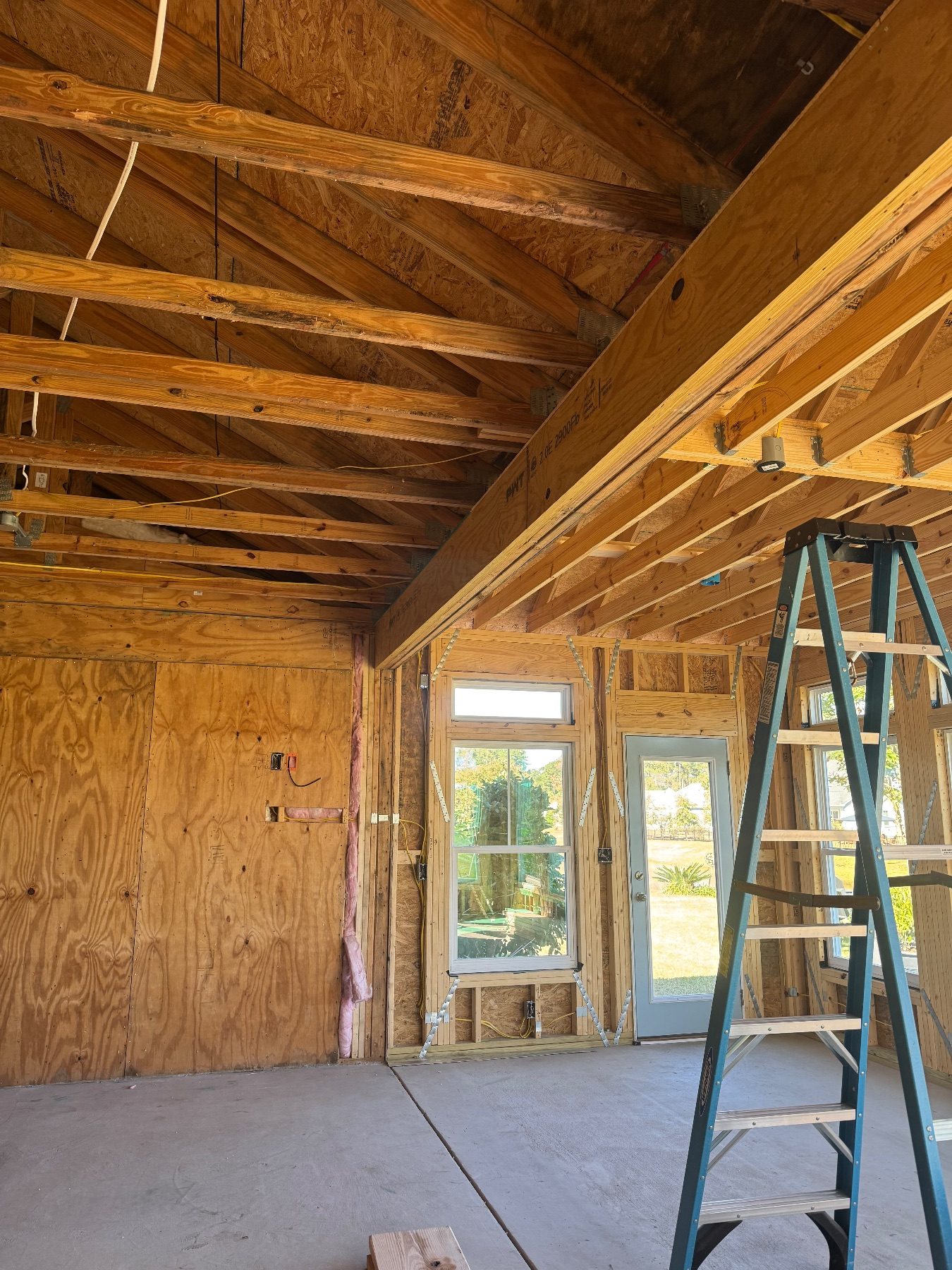
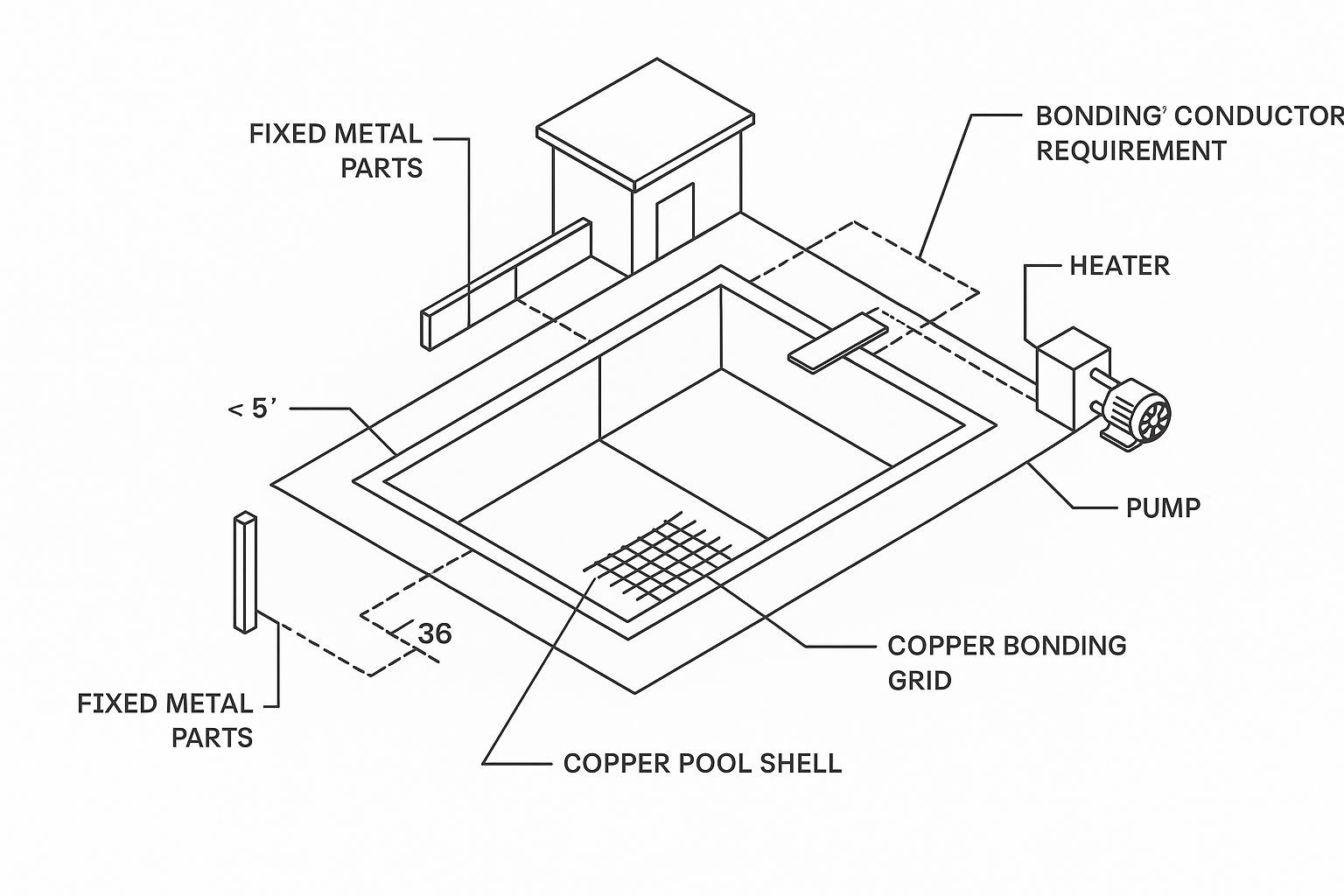
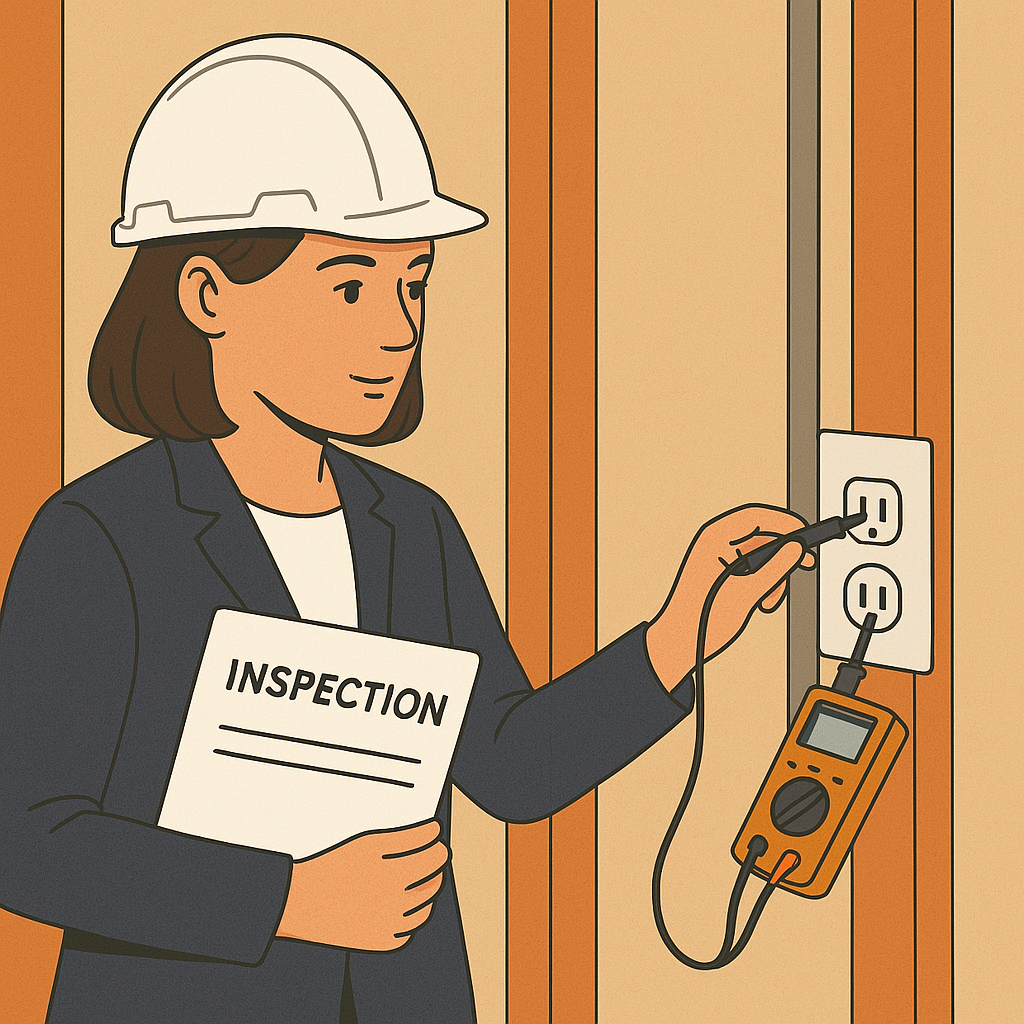
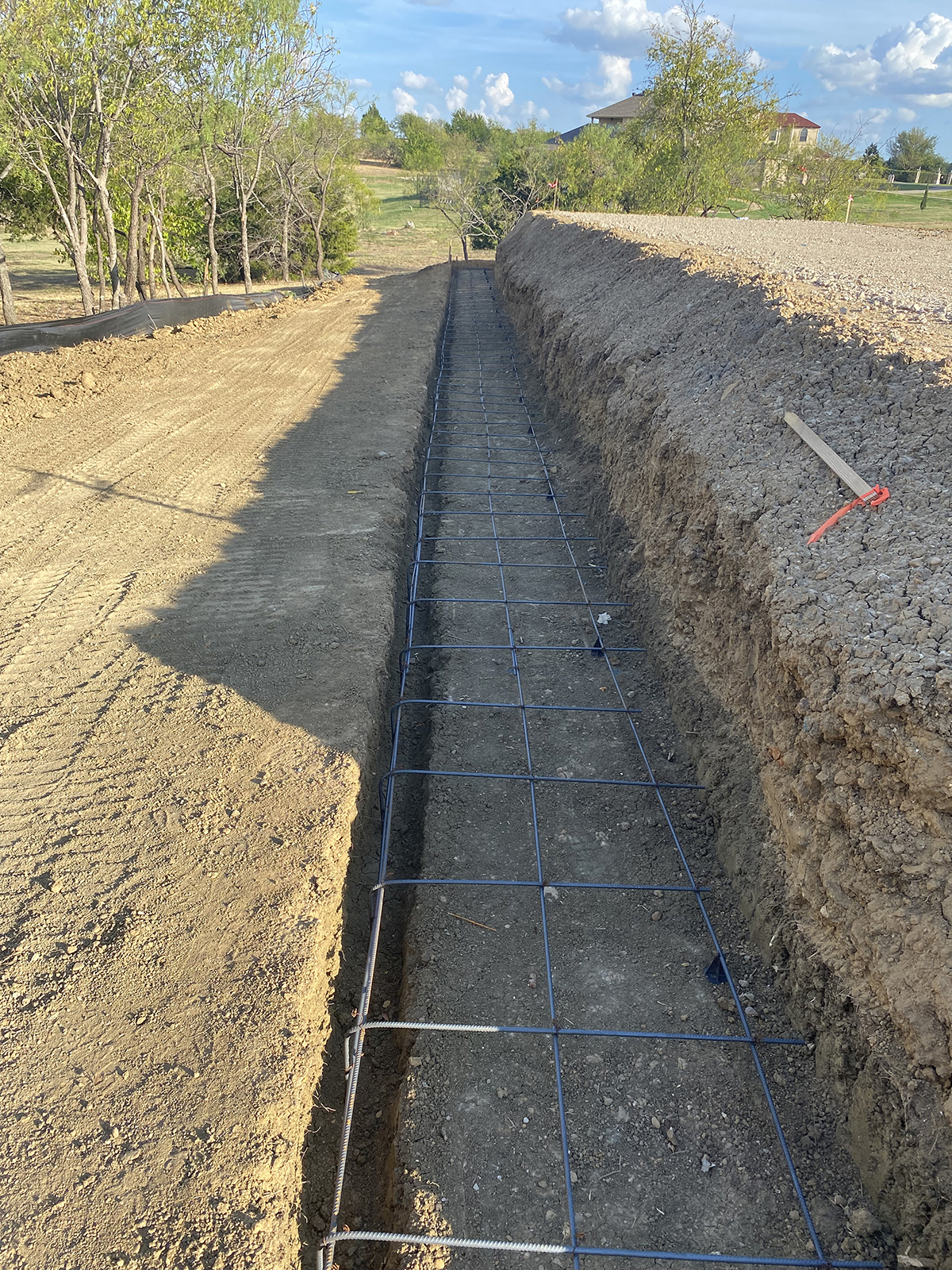
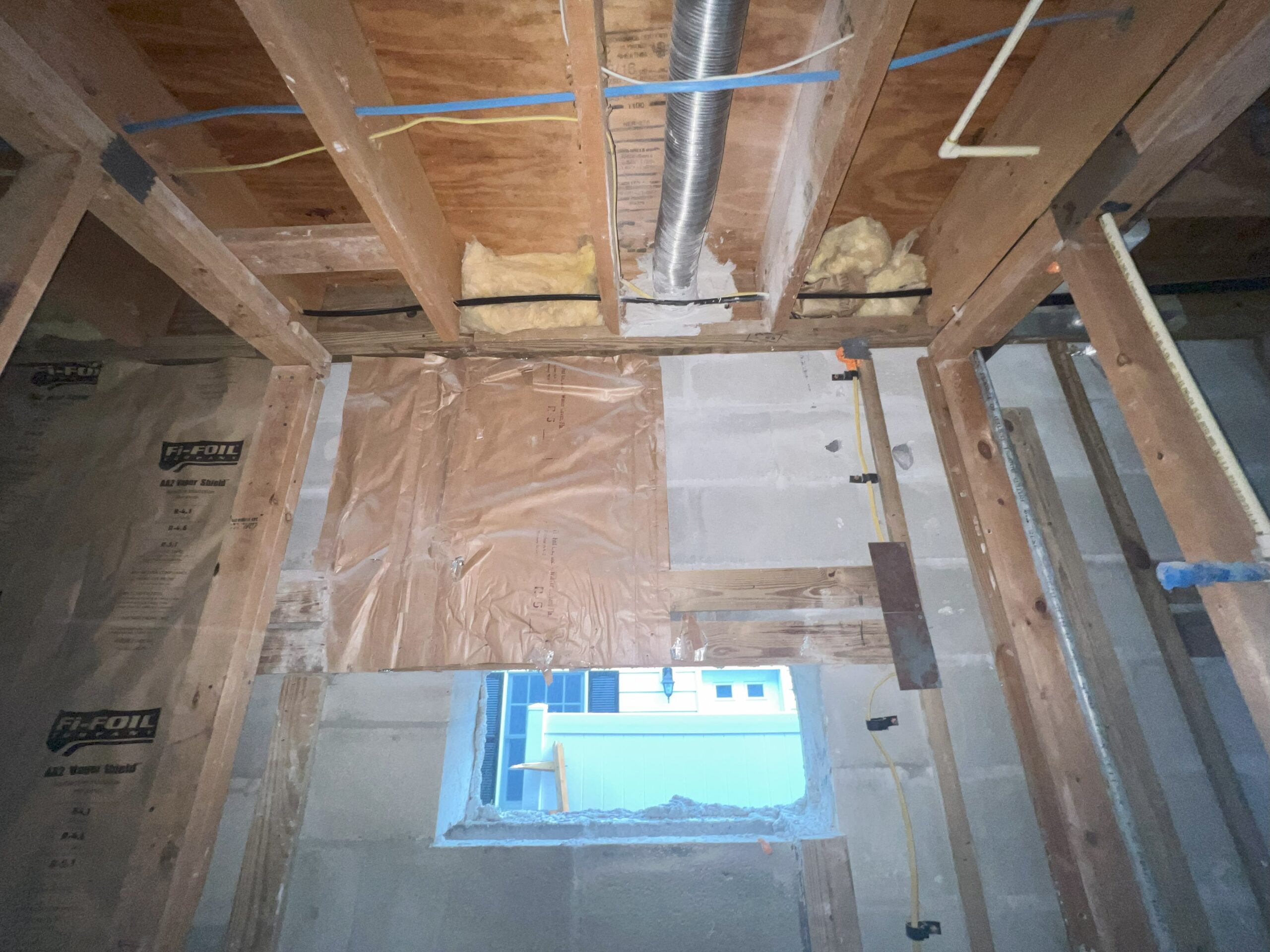
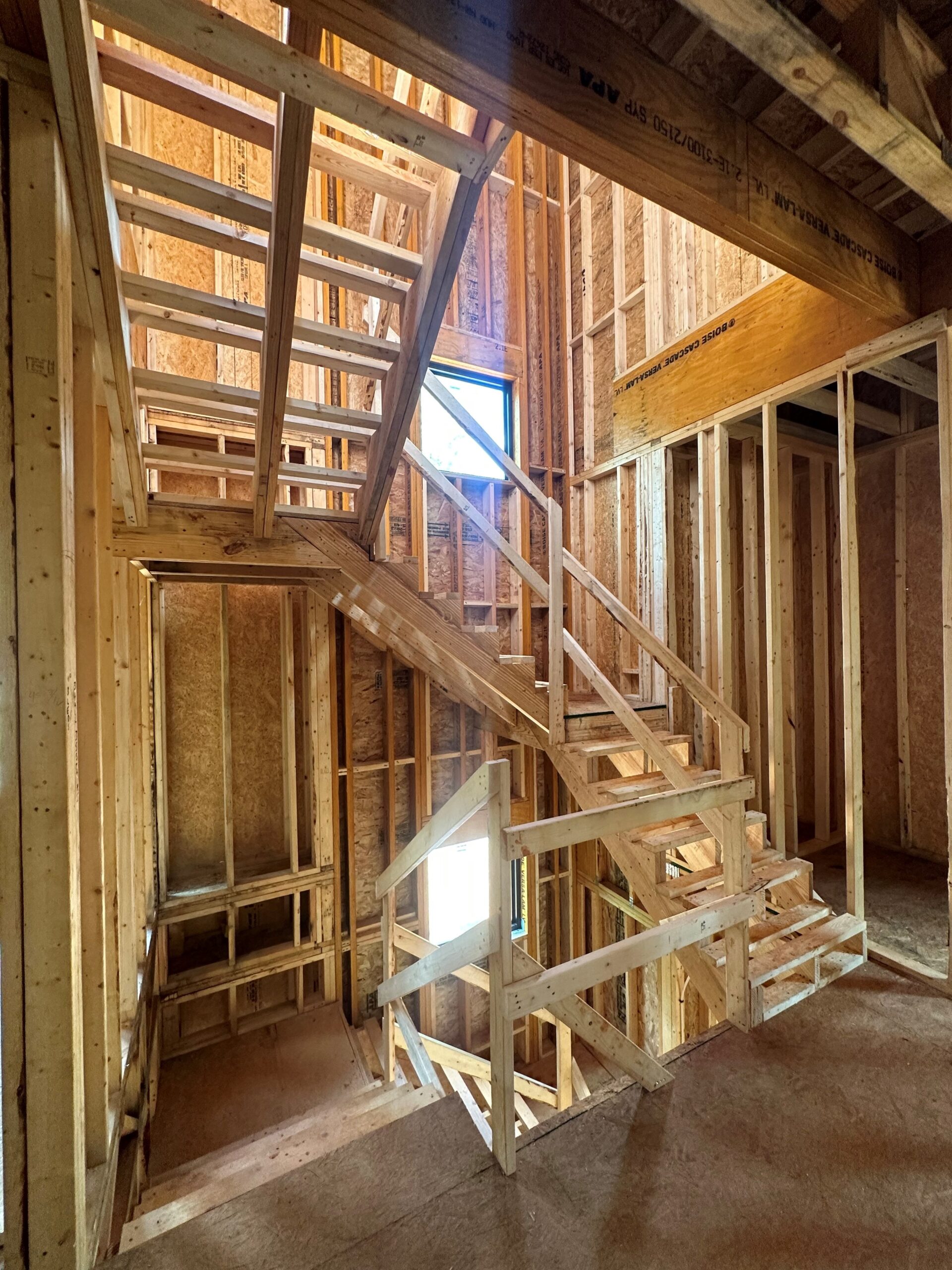
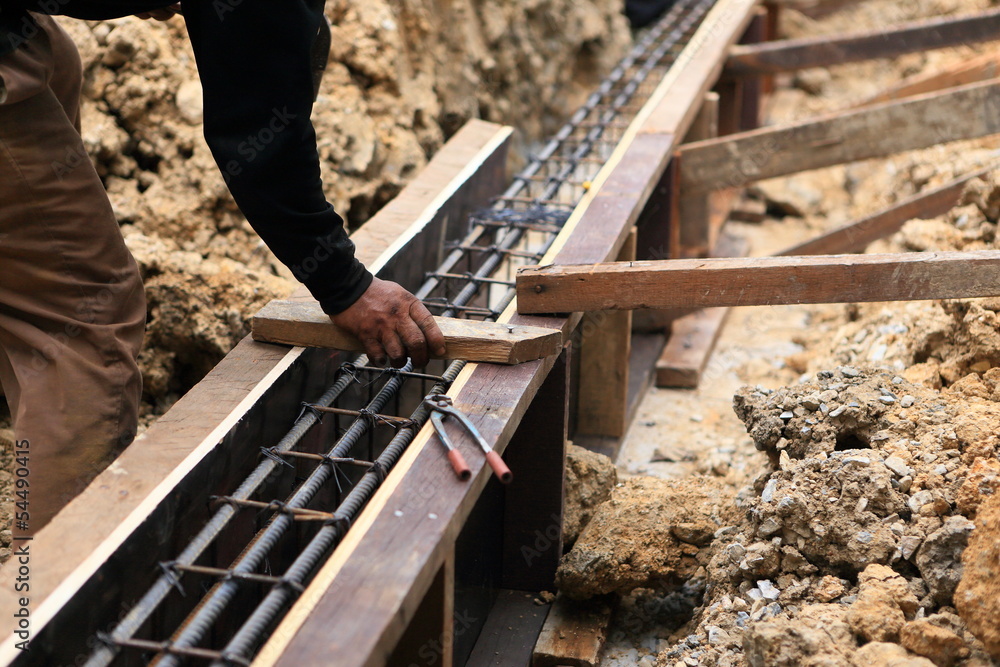
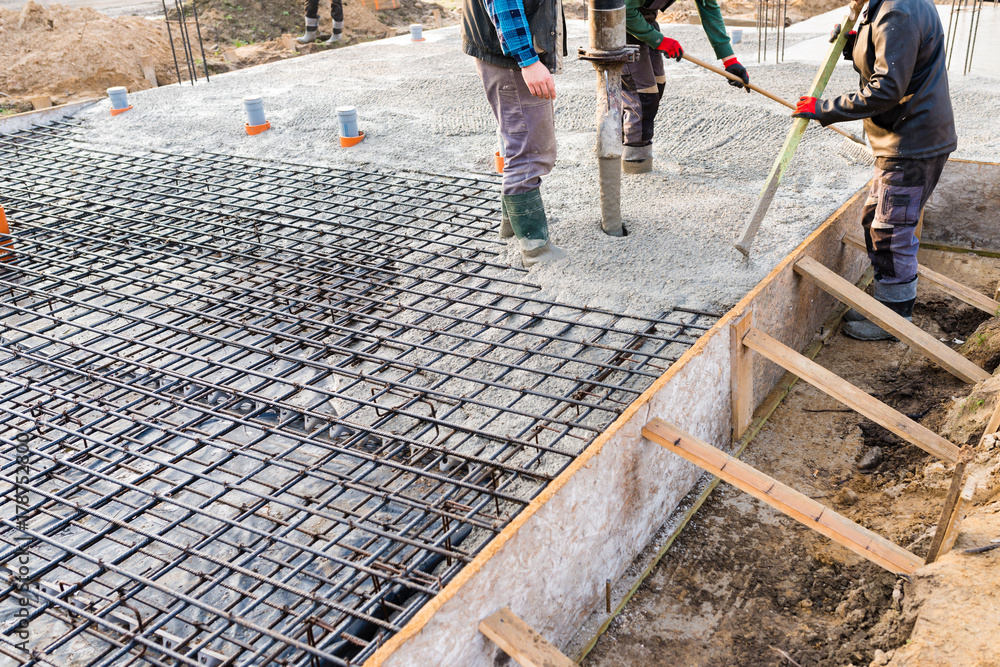
Comprehensive Illustrated Inspection Guide – Oasis Engineering Oasis Engineering Visit our website Introduction Importance of Inspections in Residential Remodeling Inspections are a cornerstone of any residential remodeling project. They ensure that the work meets safety standards, complies with local building codes, and maintains structural integrity. For homeowners, inspections prevent future headaches like structural failures, electrical hazards, or plumbing leaks. For builders, they confirm quality and legal compliance. For inspectors, they safeguard public safety and enforce regulations. Skipping or failing an inspection can lead to costly delays, fines, or unsafe living conditions—making this process non-negotiable. Common Pitfalls and How to Avoid Them Scheduling Missteps: Calling for an inspection too early (before work is complete) or too late (delaying the next phase) can derail your timeline. Fix: Follow the construction sequence and confirm readiness with your contractor. Missing Documentation: Inspectors won’t proceed without permits, approved plans, or prior inspection reports. Fix: Keep a binder with all paperwork on-site. Ignoring Past Failures: Uncorrected issues from previous inspections guarantee repeat failures. Fix: Address all noted problems before rescheduling. How to Use This Guide This guide is your roadmap through the inspection process. It’s broken into: Master Checklist: A quick-reference list of all inspections by phase. Detailed Breakdowns: Step-by-step guidance for each inspection, with visuals and checklists. Pro Tips: Practical advice to keep things moving smoothly. Start with the Master Inspection Checklist to track progress. Dive into the Illustrated Step-by-Step Inspection Breakdown for specifics on each inspection. Use the illustrations (provided by you) to see what “right” looks like. Pro tip: Keep this guide handy on-site—digital or printed—for instant reference. Master Inspection Checklist This checklist organizes inspections by construction phase. Check off each as it’s completed, and ensure required documentation is ready before scheduling. Pre-Construction BLD-Pre-Construction InspectionDocumentation: Approved building plans, permits. Foundation BLD-Foundation/FooterDocumentation: Foundation plans, soil reports. BLD-Stem WallDocumentation: Foundation plans. BLD-Tie BeamDocumentation: Structural plans. BLD-Pilasters/Fill Cells/ColumnsDocumentation: Structural plans. BLD-On Grade Slab/Monolithic SlabDocumentation: Slab design plans. BLD-Driveway or Sidewalk Pre-PourDocumentation: Site plans. Framing BLD-Wall or Roof SheathingDocumentation: Framing plans. BLD-FramingDocumentation: Framing plans, truss engineering. Insulation & Energy Compliance BLD-Insulation-Ceilings/WallsDocumentation: Energy compliance forms. Mechanical, Electrical & Plumbing (MEP) ELE-Rough-InDocumentation: Electrical plans. ELE-Underground Rough-InDocumentation: Electrical plans. ELE-Pool BondingDocumentation: Pool electrical plans. MEC-Rough-InDocumentation: Mechanical plans. PLB-Rough-InDocumentation: Plumbing plans. PLB-Underground Rough-InDocumentation: Plumbing plans. PLB-SewerDocumentation: Sewer connection permits. PLB-Water ServiceDocumentation: Water service plans. PLB-Pressure TestDocumentation: Plumbing plans. PLB-Gas Rough-InDocumentation: Gas line plans. PLB-Tub SetDocumentation: Plumbing plans. Roofing ROF-Dry-in/MidDocumentation: Roofing plans. ROF-FinalDocumentation: Roofing plans. Final Inspections ELE-Electrical Power ReleaseDocumentation: Electrical plans. ELE-FinalDocumentation: Electrical plans. MEC-FinalDocumentation: Mechanical plans. PLB-FinalDocumentation: Plumbing plans. BLD-Final Grading-DrainageDocumentation: Grading plans. BLD-Site FinalDocumentation: Site plans. BLD-FinalDocumentation: All previous inspection reports. Specialty Inspections BLD-Pool Barrier/AlarmDocumentation: Pool safety plans. BLD-Pool Steel/Drain/BondDocumentation: Pool structural plans. BLD-Tree Replacement CheckDocumentation: Landscaping plans. BLD-Elevation Certificate CheckDocumentation: Elevation certificate. Illustrated Step-by-Step Inspection Breakdown Each inspection below includes its purpose, timing, common pitfalls, and a checklist. Illustrations are provided to show what to aim for or avoid. Site & Foundation Inspections BLD-Pre-Construction Inspection Purpose: Confirms the site is ready and all paperwork is in order before breaking ground. When to Schedule: Before any construction starts. Common Failures: No permits, unapproved plans, unclear property lines. Permits posted on-site. Approved plans available. Site staked and boundaries marked. BLD-Foundation/Footer Purpose: Verifies the foundation can support the structure. When to Schedule: After excavation and formwork, before concrete pour. Common Failures: Wrong dimensions, missing rebar, soggy or loose soil. Dimensions match plans. Rebar placed and tied correctly. Excavation clean and dry. Soil compacted per specs. Structural & Framing Inspections BLD-Framing Purpose: Ensures the skeleton of the house is sound and code-compliant. When to Schedule: After framing is up, before insulation or drywall. Common Failures: Skimpy nailing, no hurricane clips, hacked-up trusses. Studs, joists, and rafters spaced per plan. Nailing meets code (e.g., 16d nails, 6″ spacing). Hurricane clips installed where required. Trusses unmodified and per engineering. Insulation & Energy Compliance BLD-Insulation-Ceilings/Walls Purpose: Checks that insulation meets energy codes for efficiency. When to Schedule: After insulation, before drywall. Common Failures: Gaps, crushed batts, wrong R-value. R-value matches local code. No gaps or compression in insulation. Vapor barriers face the right direction. Mechanical, Electrical & Plumbing (MEP) Inspections ELE-Rough-In Purpose: Confirms electrical wiring is safe before it’s hidden. When to Schedule: After wiring, before insulation or drywall. Common Failures: Bad grounding, undersized wires, no junction boxes. Wires secured every 4.5 ft. Correct gauge for circuits (e.g., 12 AWG for 20A). Grounding complete and bonded. Junction boxes installed and accessible. PLB-Rough-In Purpose: Ensures plumbing is properly installed before concealment. When to Schedule: After pipes are in, before walls close up. Common Failures: Leaky joints, missing vents, no shutoff valves. Pipes sloped for drainage (1/4″ per ft). Vents extend through roof or tie into system. Shutoff valves installed per code. No leaks under test pressure. Roofing Inspections ROF-Dry-in/Mid Purpose: Verifies the roof is watertight before final layers. When to Schedule: After underlayment and flashing. Common Failures: Sloppy flashing, exposed nails, torn underlayment. Underlayment overlapped 2–4″ and nailed. Flashing seals all edges and penetrations. No exposed fasteners or damage. Specialty Inspections BLD-Pool Barrier/Alarm Purpose: Ensures pool safety features meet regulations. When to Schedule: Before filling the pool. Common Failures: Short fences, broken gates, no alarms. Fence 48″ high, gaps under 4″. Gates self-close and latch. Alarms on doors or pool surface work. Practical Guides & Pro Tips How to Schedule Inspections Efficiently Time It Right: Schedule as soon as work is done—don’t wait. Example: Call for framing once the last nail’s in. Team Up: Coordinate with your contractor to avoid surprises. Confirm they’ll be on-site. Batch It: If multiple systems (e.g., electrical and plumbing) are ready, schedule them together. Preparing for Re-inspections Fix Everything: Address every item on the failure report—half-measures won’t cut it. Prove It: Take photos of corrections and have them ready for the inspector. Act Fast: Reschedule ASAP to keep the project on track. Contractor vs. Homeowner Responsibilities Contractors: Handle scheduling, ensure code compliance, provide plans and permits. Homeowners: Double-check that inspections are booked and passed, keep records safe. Example Inspection Report

Comprehensive Inspection Guide for Residential Remodeling Projects Read More »