wind calculations

window installation approval letter

Case Study: Expert Consulting and FBC Research Saves Contractor

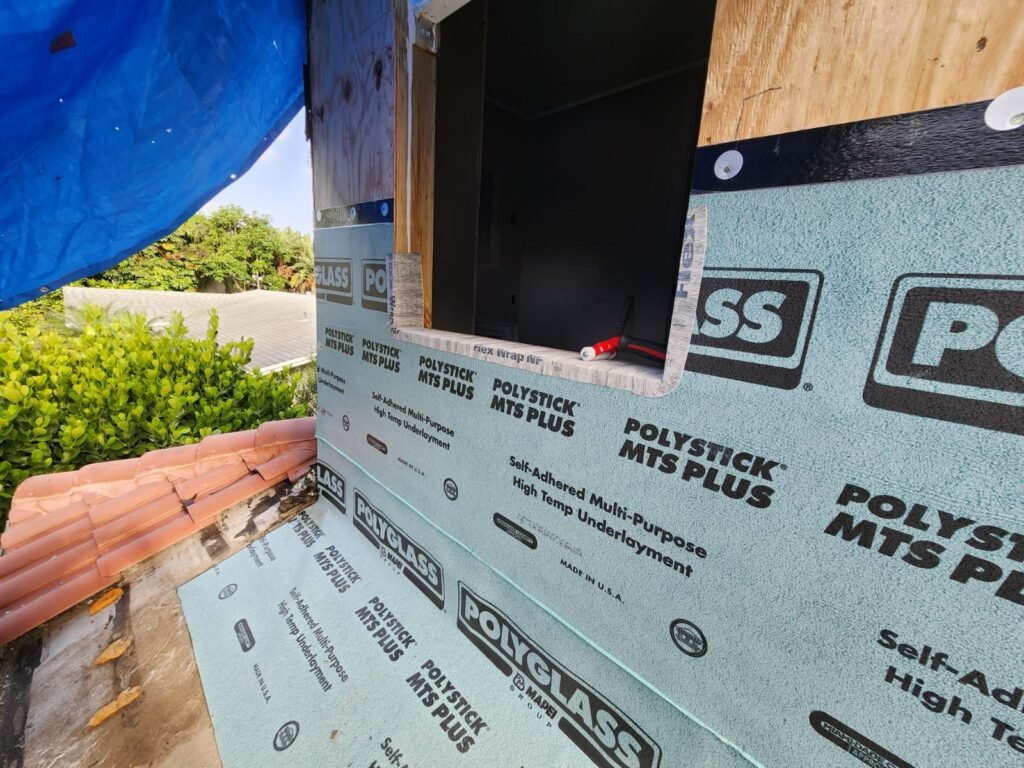
In the complex and ever-evolving world of construction and building compliance, the expertise of an experienced engineering consultant can be invaluable. This case study highlights how Oasis Engineering’s in-depth knowledge of the Florida Building Code (FBC) and strategic consultation played a crucial role in resolving a challenging window installation situation for a contractor. Background of the Project: During a remodeling project, the contractor faced severe water damage within the walls. This unforeseen complication led to the removal and reinstallation of existing impact-rated windows, originally installed in 2003 as part of a house addition project. Challenges Faced: Expert Engineering Involvement: Recognizing the complexities involved, the property owner reached out to our team for consultation and inspection verification. Our approach involved: Outcome and Impact: This case study demonstrates the significant value that expert consulting and specific building code research can bring to a construction project. By partnering with our team, the contractor not only navigated the complexities of the FBC but also ensured the safety, compliance, and timely completion of the project.

Case Study: Expert Consulting and FBC Research Saves Contractor Read More »

Embracing the Future of Resilience: FBC 2023 Adopts ASCE 7-22 Standards

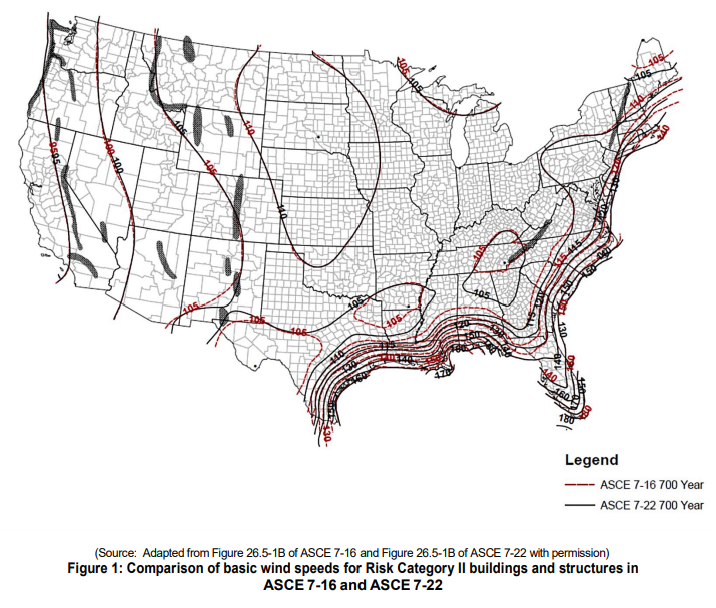
The Florida Building Code (FBC) 2023 edition marks a significant stride forward in the pursuit of resilience and safety in the built environment. This latest code adoption incorporates the cutting-edge standards of ASCE 7-22, an update from the previously used ASCE 7-16 in the FBC 2020. As a leader in engineering consultation, Oasis Engineering is dedicated to helping clients navigate this transition and leverage the enhanced protection standards it offers. ASCE 7-22: The New Benchmark for Wind Load Design The ASCE 7-22 represents the pinnacle of contemporary engineering standards, incorporating the latest research and technology to fortify structures against wind forces. The introduction of ASCE 7-22 into the FBC 2023 heralds a renewed focus on wind design, particularly significant in a hurricane-prone region like Florida. This standard provides a more detailed regional wind event database, refined wind speed maps, and updated guidance on wind-borne debris regions—all crucial elements for Florida’s diverse landscape. Key Changes and Their Implications for Engineering One of the noteworthy enhancements in ASCE 7-22 is the improved clarity in risk categorization and the corresponding design requirements. The new code refines the criteria for different categories, ensuring that buildings are designed with an appropriate level of safety in mind. Additionally, ASCE 7-22 introduces changes to the wind load provisions, which affect the main wind force resisting systems (MWFRS) and components & claddings of buildings. For the engineering community, this means recalibrating design practices to align with the nuanced requirements of the new standard. Impact on Wind Load Calculations and Roofing Systems The FBC 2023’s adoption of ASCE 7-22 carries specific implications for wind load calculations. These calculations are now more precise, with refined methodologies that account for varying topographical features and local weather patterns. For roofing systems, the implications are direct and consequential. The updated standards necessitate a meticulous review of roofing designs to ensure they withstand the specific wind loads they will face, as defined by the new ASCE provisions. Oasis Engineering: Ensuring Seamless Transition to ASCE 7-22 Standards At Oasis Engineering, our commitment to excellence and safety drives us to stay at the forefront of regulatory changes. We offer comprehensive consultation services to assist our clients in adapting to the ASCE 7-22 standards. Our team is equipped with advanced analytical tools and possesses an in-depth understanding of the FBC and ASCE requirements, ensuring that every project we undertake meets the most rigorous safety benchmarks. Preparation and Adaptation: A Proactive Approach As the building industry adapts to the FBC 2023, proactive preparation is key. Oasis Engineering is ready to assist builders, architects, and developers in understanding the changes and implementing the necessary design adjustments. By embracing the updated ASCE 7-22 standards early, professionals can avoid costly redesigns and ensure their projects proceed smoothly, without interruption. Setting a New Standard for Safety and Durability The incorporation of ASCE 7-22 into the FBC 2023 is more than a regulatory update—it’s a commitment to building a safer, more resilient future for Florida. Oasis Engineering is proud to support this endeavor, offering our expertise to ensure that every structure built under our guidance is not only compliant but exemplifies the highest standards of engineering excellence.

Embracing the Future of Resilience: FBC 2023 Adopts ASCE 7-22 Standards Read More »

How Our Expert Wind Load Analysis Optimized Solar Panel Installation in Broward County

In the world of solar installations, every detail matters – from panel selection to the final bolt. The financial viability of solar projects hinges on a meticulously balanced equation of cost, efficiency, and compliance. Recently, our team at WindCalculations.com partnered with a prominent solar PV designer to navigate this complex landscape, resulting in a case study that perfectly illustrates our commitment to excellence and precision in engineering consulting. The Challenge: Meeting HVHZ Codes Without Compromising on Cost Broward County, Florida, is known for its stringent High-Velocity Hurricane Zone (HVHZ) requirements, demanding designs to withstand wind speeds up to 170 mph. For our client, adhering to these standards while optimizing the financial layout was crucial. The project involved specifying Boviet Solar Panels on a large commercial structure – a task that demanded not just compliance but also financial engineering. Our Approach: Precision Engineering Meets Financial Savvy Understanding that even minor adjustments could lead to significant cost implications, our wind load specialists dove into the nuances of ASCE-22 standards. Utilizing equation 29.4.3, we analyzed the location of panels across different roof zones, allowing us to refine the design for wind exposure without over-engineering the system – a common pitfall that often leads to unnecessary expenses. The Result: A Design That Delivers The outcome was a design that not only met the rigorous demands of HVHZ codes but also aligned perfectly with the project’s financial models. By optimizing material usage and engineering for the exact capacity required, our client was able to proceed with a project that was both economically and structurally sound. Why Our Wind Load Analysis Makes a Difference Our consultation goes beyond mere compliance. We offer: Your Project, Our Expertise Are you facing similar challenges with your solar installations? Our specialized consulting services are designed to bring you peace of mind and financial viability. Let’s discuss how we can help make your solar project a resounding success. Visit our wind load calculations services page to learn more about our unique approach. At Oasis Engineering, we’re not just consultants – we’re your partners in renewable energy success. Contact us today to optimize your solar installation project for efficiency, compliance, and cost-effectiveness.

How Our Expert Wind Load Analysis Optimized Solar Panel Installation in Broward County Read More »