What a Forensic Engineer Looks for After a Hurricane
April 11, 2026 · Enrique Lairet, PE
Forensic Engineering • Hurricane Claims
7 min read
When our team arrives at a property after a hurricane, we’re not conducting a standard inspection. We’re building a case. Every observation, every measurement, every photograph is part of a forensic investigation designed to answer one critical question: did this damage result from the storm, or was it already there?
This is what separates forensic engineering from run-of-the-mill property inspections. A general inspector documents condition. We determine causation.
The Systematic Approach
Our process always follows the same sequence because the order matters for establishing the timeline and extent of damage.
Exterior Survey
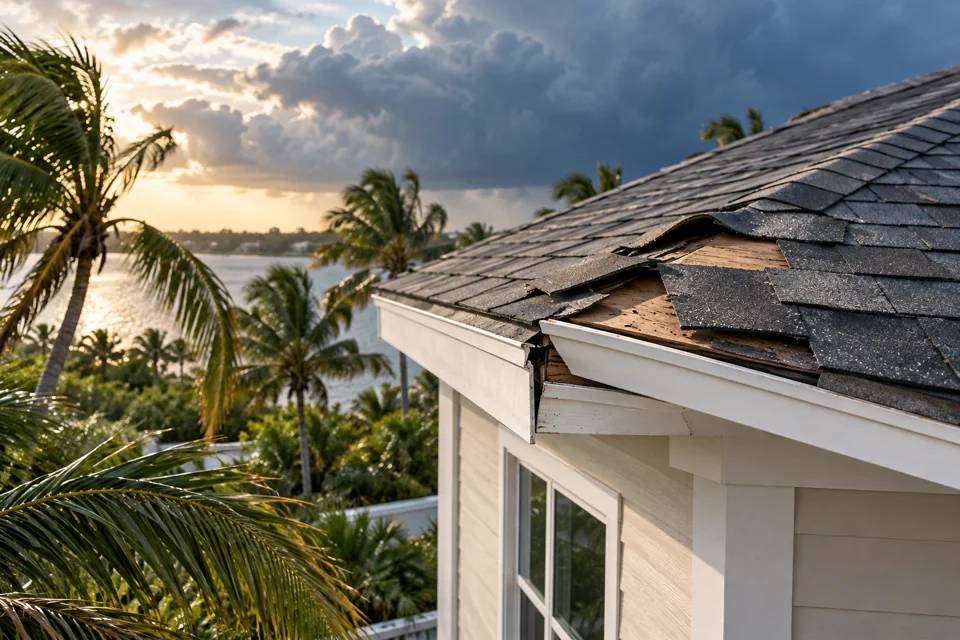
We start outside, walking the entire perimeter and photographing every elevation. We’re looking for wind damage patterns, water entry points, debris impact marks, and compromised seals. The angle and location of damage tells a story — wind from the southeast creates a particular pattern of missing shingles and exposed underlayment that’s different from wind coming straight from the west.
Roof Assessment
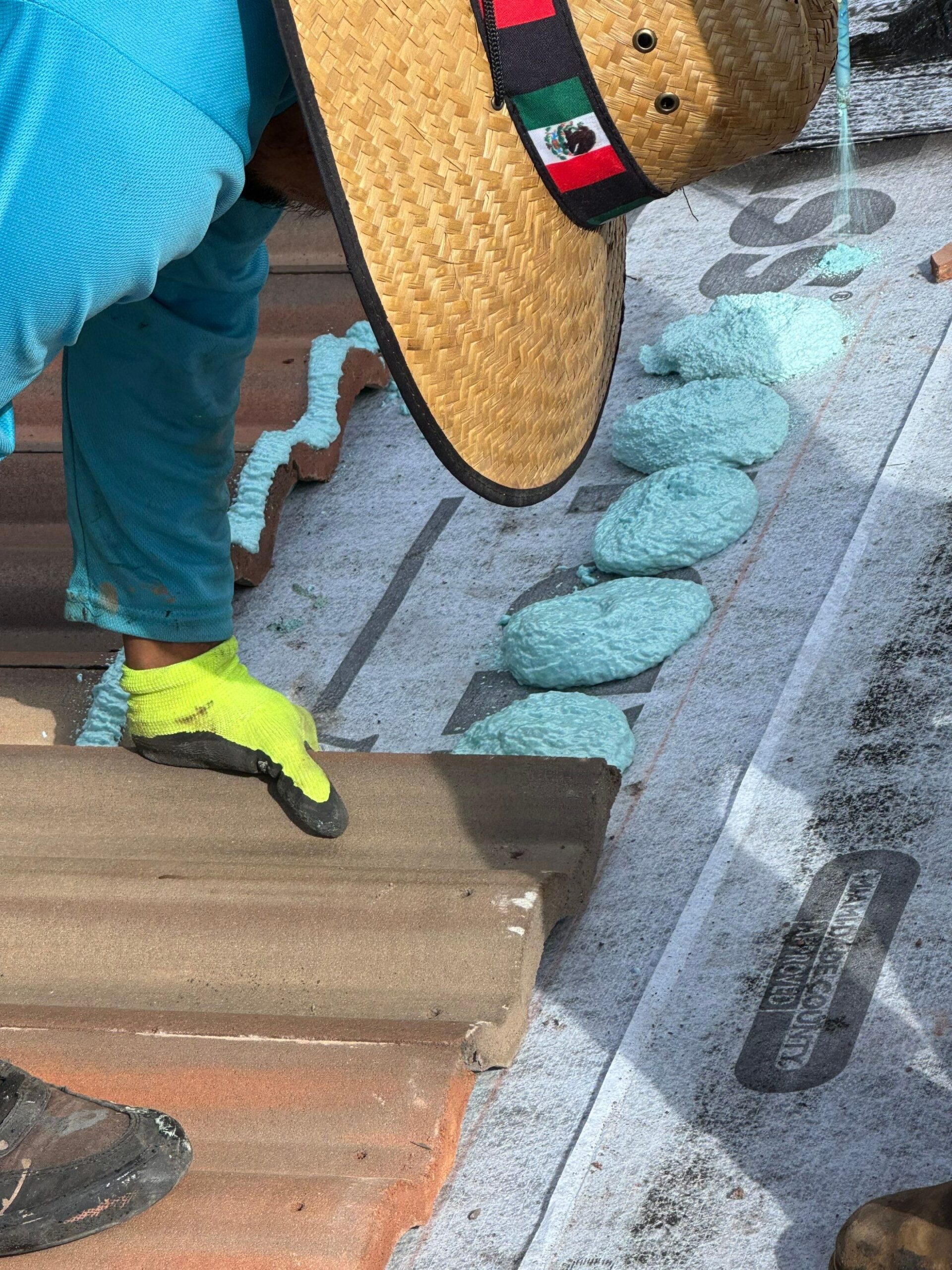
This is where we take our time. We’re examining shingle tabs, nails, decking, underlayment, and flashing. We check the ridge, the hip lines, the valleys — all the places where wind pressure concentrates and materials are vulnerable. We look for the progression of failure: did water start coming through during the storm itself, or has it been seeping in gradually for months?
Interior Water Intrusion Tracing
Once we know where water can enter, we trace it inside. Where did it actually travel? Are there water marks inside walls? Is there evidence of saturation or mold growth? We’re establishing whether this is fresh storm damage or chronic water damage from a pre-existing roof leak.
Structural Connections
We inspect critical connection points — where the roof attaches to the walls, where walls attach to the foundation. These are the failure points that separate minor damage from catastrophic loss. Proper installation and adequate fastening make all the difference.
Pre-Existing vs. Storm-Caused Damage
This is the hardest part. We’re looking for weathering patterns, material aging, construction quality, and signs of previous repairs. A roof that’s 20 years old will have wear and tear. Our job is determining what portion of the current damage is from that normal aging and what portion is new storm damage.
Why This Matters for Your Claim
Insurance companies will argue that a significant portion of your damage is pre-existing. In 70% of disputes we see, the disagreement isn’t about whether there’s damage — it’s about when that damage occurred. Without baseline documentation, your claim becomes a he-said-she-said situation where the insurance adjuster’s assumptions carry enormous weight.
Here’s the uncomfortable truth: even we sometimes can’t definitively determine causation without before-storm photographs. We can make educated assessments based on weathering patterns and construction practices, but documentation is infinitely stronger than inference.
How Homeowners Can Help
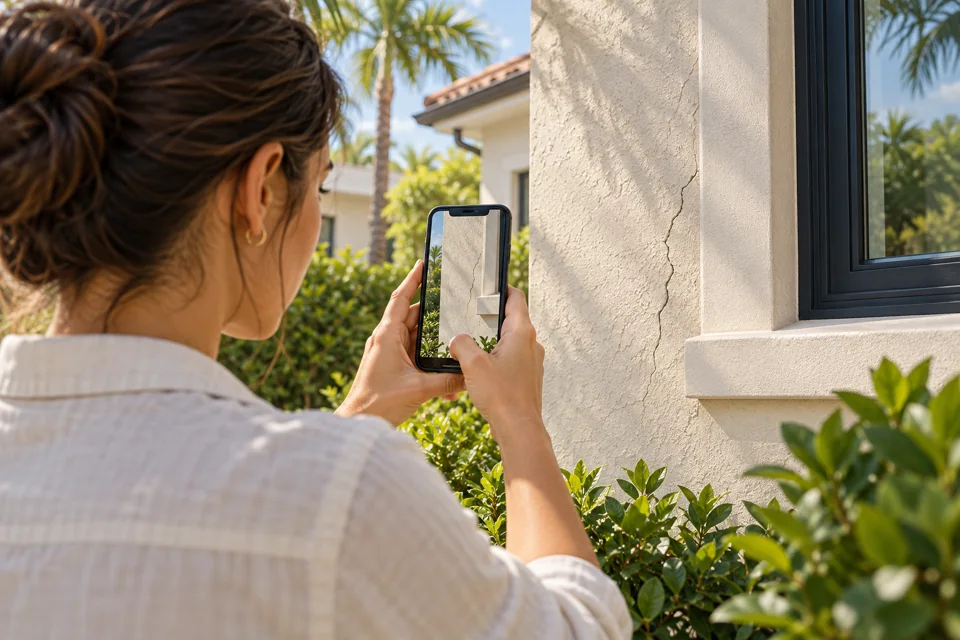
The single most valuable thing you can do is photograph your property before the storm hits. Not random photos — systematic documentation of your roof, exterior walls, openings, and any existing damage or repairs.
Pre-Storm Documentation Tool
We built a free pre-storm documentation tool specifically for this. It walks homeowners through photographing their property section by section, creating a timestamped baseline report that’s admissible in claims and litigation. Twenty minutes of work before hurricane season can save you months of fighting with insurance.
If a storm does hit, our damage documentation tool helps organize photos and findings section by section. It’s the same systematic approach we use in our forensic investigations, adapted for property owners.
When you have this documentation ready before we arrive for the inspection, our investigation is stronger. We can immediately compare what we’re seeing to the baseline. We can quantify new damage with certainty instead of making estimates.
The Bottom Line
Forensic engineering is detective work. We’re examining the evidence and building a narrative supported by data and professional judgment. But the strongest evidence — the evidence that closes cases and wins disputes — is documentation created before the damage occurred.
If you need a licensed forensic engineer to investigate property damage after a hurricane, contact OasisEngineering.com. We’ll be thorough, and we’ll build the strongest possible case with the evidence we have.
Related