...

engineer letters

Florida HB 803: What the New $7,500 No-Permit Rule Means for Homeowners, Contractors, and Storm Damage Claims

Florida HB 803 creates a new permit exemption for certain single-family home projects under $7,500 starting July 1, 2026. But no permit does not mean no documentation. Learn what Florida homeowners, contractors, and storm claim property owners should know before making repairs.

Florida HB 803: What the New $7,500 No-Permit Rule Means for Homeowners, Contractors, and Storm Damage Claims Read More »

The Truth Behind Wind Damage: What Homeowners Don’t See

Wind Engineering • Structural Analysis The Engineering Behind Wind Damage: What Homeowners Don’t See 9 min read Most homeowners think hurricanes damage roofs by pushing on them. Direct force. A big wind, a piece of debris, something hits hard. That’s not really how it works. The real mechanics of wind damage are more subtle, more dangerous, and they’ll change how you think about your house’s vulnerability. Uplift: The Hidden Force When wind moves across a roof, something counterintuitive happens: the roof gets pushed up, not down. This is Bernoulli’s principle in action. Fast-moving air creates lower pressure. A hurricane-force wind moving over a roof creates a pressure vacuum above the roof surface. That vacuum pulls the roof upward, trying to tear it away from the walls below. This is why corners and edges fail first. The wind doesn’t attack the middle of your roof with equal force. It wraps around corners and accelerates, creating even greater pressure differentials. Shingle tabs lift and tear. Underlayment starts to peel. If the fastening isn’t perfect — and on older roofs it often isn’t — entire sections can come off. When the Window Breaks, Everything Fails Now add internal pressure. A hurricane-force wind hits your house. A window breaks. Suddenly there’s wind inside your home, building positive pressure against the interior side of your roof. You’ve just created a net upward force that’s even more aggressive than the external pressure alone. This is why opening protection matters. Not just for the window itself — for the structural integrity of your entire roof assembly. That’s why building codes in high-wind zones require shutters, impact-rated glass, or other protection. A single failed window can cascade into roof failure. The Failure Progression Roof failure doesn’t happen all at once. It’s a sequence. Here’s how it typically develops: 1 Shingle Tab Failure Wind lifts the tabs, nails pull or strip, tabs tear and blow away. Your roof now has exposed areas. 2 Underlayment Exposure The barrier under the shingles gets exposed and starts to tear or peel back. Water can now reach the decking. 3 Water Intrusion Rain driven by wind enters the decking. Water starts soaking into the wood structure. 4 Deck Rot Over weeks and months, wet decking begins to deteriorate. Wood loses strength. Fasteners lose holding power. 5 Structural Compromise As the decking weakens, the structural integrity of the entire roof assembly is compromised. Secondary damage from subsequent storms becomes catastrophic. Critical point: This doesn’t all happen during a single storm. You might have stages 1 and 2 during Hurricane A. Stages 3 and 4 develop over the next six months. Then Hurricane B arrives two years later, and because the decking is already compromised, the damage is exponentially worse. This is why documentation matters — if you can track the progression, you can establish which damage is from which event. Why the Same Hurricane Damages One House and Not the Next Two houses on the same street can have completely different outcomes from the same storm. One has minor damage. One has catastrophic loss. It’s not luck. It’s engineering. Roof Geometry A hip roof (slopes on all four sides) is inherently more wind-resistant than a gable roof (triangular ends, two slopes). Hip roofs shed wind more efficiently. Gable roofs have a larger vertical surface for wind to push against. Material Age & Quality A 25-year-old roof with minimal fastening is far more vulnerable than a five-year-old roof installed to modern code with proper nailing schedules and rated underlayment. Shingles lose flexibility as they age. Installation Quality We’ve seen identical roofs from the same manufacturer perform completely differently because one was installed properly and one wasn’t. Nailing pattern, fastening, and flashing details determine whether your roof survives or fails. Exposure & Location Houses on elevated terrain, open land, or at corner exposures face higher wind speeds. A house in a wind tunnel corridor will experience stronger forces than an identical house sheltered by terrain or nearby structures. How to Know If Your House Is at Risk Pull together these facts about your property: Age of roof — Anything over 20 years old is approaching end of service life and is more vulnerable to wind damage. Roof-to-wall connections — Is your roof strapped to the walls, or just sitting there? Critical for preventing uplift failure. Opening protection — Storm shutters, impact-rated windows, or unprotected? Determines vulnerability to internal pressure failure. Roof geometry — Hip or gable? Hip is better. Slope and complexity — Simpler roofs are stronger. Multiple valleys and intricate shapes create more failure opportunities. If you’re in a high-wind area and your roof is aging, with weak connections and unprotected openings, you have high risk. That’s the time to upgrade before a storm hits, not after. Understanding Wind Data and Claims Knowing the wind conditions at your specific property during a storm is critical for insurance claims. Wind speed determines what damage is reasonable to expect. Weather Verification for Claims We’re developing a tool called StormProof that uses official NOAA data from multiple weather stations to estimate exact wind conditions at your address. This is valuable for claims investigation — it establishes what conditions your structure actually faced. In the meantime, the single best thing any homeowner can do is document their property’s current condition. Baseline documentation before a storm gives you proof of what your house looked like when it was undamaged. The Bottom Line Hurricane wind damage isn’t random. It follows the laws of physics and the quality of construction. Understanding the mechanics — uplift, pressure differentials, the failure sequence, the role of age and installation quality — helps you make smart decisions about your home’s resilience. If you’re concerned about wind damage to your property, or if you need a forensic engineering investigation after a storm, contact OasisEngineering.com. We’ll evaluate your specific exposure and help you understand the real risks.

The Truth Behind Wind Damage: What Homeowners Don’t See Read More »

Why Pre-Existing Damage Is the #1 Insurance Dispute — And How to Prevent It

Insurance Disputes • Property Documentation Why Pre-Existing Damage Is the #1 Insurance Dispute — And How to Prevent It 8 min read Here’s a scenario we see regularly: a homeowner has $45,000 in roof damage. The insurance company offers $30,000. Their position? “The other $15,000 is pre-existing damage and not covered by your policy.” The homeowner has no before photos. No documentation. The case becomes he-said-she-said, and the insurance company’s adjuster wins because they’re the one holding the checkbook. This is the most common dispute in hurricane claims. Not total loss disagreements or coding disputes — just the simple question of what was already broken before the storm. Why Insurance Companies Love the “Pre-Existing” Defense It’s elegant from their perspective. Pre-existing damage is explicitly excluded from most homeowners policies. If an insurer can argue that a portion of your loss predates the covered event, they don’t pay for it. It’s not a denial based on some technical policy language. It’s a clean, contractually sound reason to reduce the payout. And here’s why it works: when there’s no documentation, the burden of proof shifts. You have to prove that the damage is new. Your adjuster shows that your roof has normal wear and tear for its age. Case closed. The insurance company didn’t have to prove the damage was pre-existing. They just had to raise the possibility, and with no evidence to contradict them, doubt becomes their defense. The Engineering Reality I’ll be honest about what we face as forensic engineers. Even with decades of experience, there are situations where we can’t definitively determine causation without baseline documentation. We can look at weathering patterns, the age of materials, construction practices, and the condition of fasteners. We can make educated assessments. But assessment isn’t proof. Without Before Photos We’re starting from a weakened position. We have to convince a jury or appraiser that the damage is new based on inference. That works maybe 70% of the time. In the remaining 30%, the lack of baseline evidence means the case is genuinely harder to win. With Before Photos The homeowner has timestamped photographs from before the hurricane. An adjuster can’t argue the damage is pre-existing when there’s visual proof of what “before” looked like. Case over. We’re fighting about scope, not existence. The Fix Is Simple Document your property before the storm arrives. Not after. Before. Free Pre-Storm Documentation Our team built HurricaneInspections.com specifically to solve this problem. It’s a free tool that guides homeowners through a 20-minute photo walkthrough of their property and generates a timestamped PDF. You photograph your roof, all exterior elevations, existing damage, repairs, and areas of concern. The tool organizes it, timestamps it, and creates a report that’s admissible in claims and litigation. The entire process takes one afternoon during the calm part of hurricane season. The return on that investment is enormous if you ever need to file a claim. Why Documentation Matters Beyond Insurance If your case goes to litigation or to an independent appraiser, baseline documentation is gold. It eliminates one entire category of dispute. The insurance company can’t argue about when damage occurred if you have proof. It also speeds up settlements. Appraisers working with solid documentation make faster, more accurate determinations. For our work as forensic engineers, the presence of good baseline documentation means we can focus on what we do best: determining the true extent of new damage and building a case for fair payment. We’re not spending half our investigation trying to disprove the “it was already broken” narrative. One More Thing: Document Ongoing Issues Too If your roof is 15 years old and has slow leaks, if there’s some deferred maintenance you know about, document that too. Don’t try to hide existing damage. Insurance companies expect some wear and tear on older homes. What they’ll fight about is sudden, new damage being misrepresented as pre-existing. By honestly documenting what was already there, you establish credibility. When your engineer shows up and says “this is the pre-existing condition from the photos, and this is new damage from the storm,” you’ve eliminated the dispute before it starts. For a deeper look at why before photos matter, we wrote a plain-language guide about why every homeowner should photograph their house before hurricane season. The time to prepare is now, in the calm season. Photograph your property. Organize the documentation. Keep it in a safe place. If you’re lucky, you’ll never need it. If you’re not, you’ll be glad you did.

Why Pre-Existing Damage Is the #1 Insurance Dispute — And How to Prevent It Read More »

What a Forensic Engineer Looks for After a Hurricane

Forensic Engineering • Hurricane Claims What a Forensic Engineer Looks for After a Hurricane 7 min read When our team arrives at a property after a hurricane, we’re not conducting a standard inspection. We’re building a case. Every observation, every measurement, every photograph is part of a forensic investigation designed to answer one critical question: did this damage result from the storm, or was it already there? This is what separates forensic engineering from run-of-the-mill property inspections. A general inspector documents condition. We determine causation. The Systematic Approach Our process always follows the same sequence because the order matters for establishing the timeline and extent of damage. Exterior Survey We start outside, walking the entire perimeter and photographing every elevation. We’re looking for wind damage patterns, water entry points, debris impact marks, and compromised seals. The angle and location of damage tells a story — wind from the southeast creates a particular pattern of missing shingles and exposed underlayment that’s different from wind coming straight from the west. Roof Assessment This is where we take our time. We’re examining shingle tabs, nails, decking, underlayment, and flashing. We check the ridge, the hip lines, the valleys — all the places where wind pressure concentrates and materials are vulnerable. We look for the progression of failure: did water start coming through during the storm itself, or has it been seeping in gradually for months? Interior Water Intrusion Tracing Once we know where water can enter, we trace it inside. Where did it actually travel? Are there water marks inside walls? Is there evidence of saturation or mold growth? We’re establishing whether this is fresh storm damage or chronic water damage from a pre-existing roof leak. Structural Connections We inspect critical connection points — where the roof attaches to the walls, where walls attach to the foundation. These are the failure points that separate minor damage from catastrophic loss. Proper installation and adequate fastening make all the difference. Pre-Existing vs. Storm-Caused Damage This is the hardest part. We’re looking for weathering patterns, material aging, construction quality, and signs of previous repairs. A roof that’s 20 years old will have wear and tear. Our job is determining what portion of the current damage is from that normal aging and what portion is new storm damage. Why This Matters for Your Claim Insurance companies will argue that a significant portion of your damage is pre-existing. In 70% of disputes we see, the disagreement isn’t about whether there’s damage — it’s about when that damage occurred. Without baseline documentation, your claim becomes a he-said-she-said situation where the insurance adjuster’s assumptions carry enormous weight. Here’s the uncomfortable truth: even we sometimes can’t definitively determine causation without before-storm photographs. We can make educated assessments based on weathering patterns and construction practices, but documentation is infinitely stronger than inference. How Homeowners Can Help The single most valuable thing you can do is photograph your property before the storm hits. Not random photos — systematic documentation of your roof, exterior walls, openings, and any existing damage or repairs. Pre-Storm Documentation Tool We built a free pre-storm documentation tool specifically for this. It walks homeowners through photographing their property section by section, creating a timestamped baseline report that’s admissible in claims and litigation. Twenty minutes of work before hurricane season can save you months of fighting with insurance. If a storm does hit, our damage documentation tool helps organize photos and findings section by section. It’s the same systematic approach we use in our forensic investigations, adapted for property owners. When you have this documentation ready before we arrive for the inspection, our investigation is stronger. We can immediately compare what we’re seeing to the baseline. We can quantify new damage with certainty instead of making estimates. The Bottom Line Forensic engineering is detective work. We’re examining the evidence and building a narrative supported by data and professional judgment. But the strongest evidence — the evidence that closes cases and wins disputes — is documentation created before the damage occurred. If you need a licensed forensic engineer to investigate property damage after a hurricane, contact OasisEngineering.com. We’ll be thorough, and we’ll build the strongest possible case with the evidence we have.

What a Forensic Engineer Looks for After a Hurricane Read More »

The 5.7 Sq. Ft. Myth: Florida Egress Window Requirements Clarified (FBC R310)

The 5.7 Sq. Ft. Myth: Florida Egress Window Requirements Clarified (FBC R310) It’s a panic-inducing scenario common in Florida renovations: The new impact windows have arrived, or perhaps they are already installed, and your contractor or building inspector drops a bombshell: “This bedroom window is too small. It doesn’t meet the 5.7 square foot egress requirement.” Before you panic and order a larger, more expensive custom window, you need to know the actual rules. There is a widespread misconception in the industry that every sleeping room window must meet the 5.7 sq. ft. rule. According to the Florida Building Code (FBC) Section R310, that is often incorrect. If you are dealing with a bedroom on the ground floor, the rules change in your favor. Here is an engineering breakdown of the most misunderstood rule in residential window replacements. The Rule vs. The Exception (FBC R310.2.1) The Florida Building Code dictates that every sleeping room must have at least one operable emergency escape and rescue opening (egress window). This ensures occupants can escape, and firefighters with bulky gear can enter, during a fire. The confusion stems from FBC Residential Section R310.2.1, which contains two distinct standards based on the location of the room. The General Rule (Second Story and Above) For bedrooms located on the second floor, third floor, or higher, the Net Clear Opening must be at least 5.7 square feet. Why 5.7? This size accommodates a firefighter entering through the window from a ladder. The Grade-Floor Exception (Ground Floor) If the bedroom is on the “grade-floor” (ground level), the code grants an exception. Because firefighters have easier access from the ground without a ladder, the requirement is lowered. For ground-floor bedrooms, the minimum Net Clear Opening is only 5.0 square feet. That differential of 0.7 sq. ft. (roughly 100 square inches) is massive when dealing with standard window sizes. The “Gotcha”: It’s Not About Frame Size The second biggest mistake homeowners and even some professionals make is confusing the window’s frame dimensions or the glass size (daylight opening) with the Net Clear Opening. The code doesn’t care how big the window unit is; it cares about the actual hole created when you open the window fully. Measuring Horizontal Rollers Impact horizontal roller windows are notorious for failing egress calculations because their heavy-duty frames and interlocks eat up valuable space. When you slide a horizontal roller open, you cannot just measure half the width. You must measure from the edge of the jamb to the center interlock stile that remains in the middle of the window. You lose several inches of “clear width” right there. A Real-World Case Study: The Window That Barely Passed We recently analyzed a project where a contractor flagged a ground-floor horizontal roller window as non-compliant because it didn’t meet the 5.7 sq. ft. standard. The window unit’s frame size was roughly 53″ x 38″. On paper, it looked too small to many installers. However, when we demanded the exact, on-site measurements of the clear opening (the actual open space when slid fully open), the numbers told a different story: We ran the math against the ground-floor requirement: 22.81 x 32.25 = 735.6 sq. inches To convert square inches to square feet, divide by 144: 735.6 / 144 =5.11 sq. ft. The Verdict: Because this window was on the ground floor, the requirement was only 5.0 sq. ft. The window passed by a mere 0.11 sq. ft. (about 15 square inches). If this window had been on the second floor, it would have failed. But by knowing the code exception and measuring precisely, the project was saved from a costly revision. Beyond Egress: Don’t Forget Energy Code While egress is vital for safety, it is only half the battle in Florida compliance. When selecting windows, the U-factor, SHGC (Solar Heat Gain Coefficient), and glazing specs are critical for passing energy calculations, but egress is where projects often get red-tagged during final inspection because it involves physical measurements on-site. Ensure your engineering team is looking at both the thermal performance for Florida’s rigorous energy code and the physical dimensions for life safety. Summary Checklist for Florida Egress Before ordering windows for a bedroom renovation, verify these three things simultaneously: Note: You must meet all three. For example, a window that is 20″ wide x 24″ high only equals 3.3 sq. ft., so it would fail, even though it meets the minimum width and height dimensions.

The 5.7 Sq. Ft. Myth: Florida Egress Window Requirements Clarified (FBC R310) Read More »

After-the-Fact Foundation Certification for Existing Metal Building

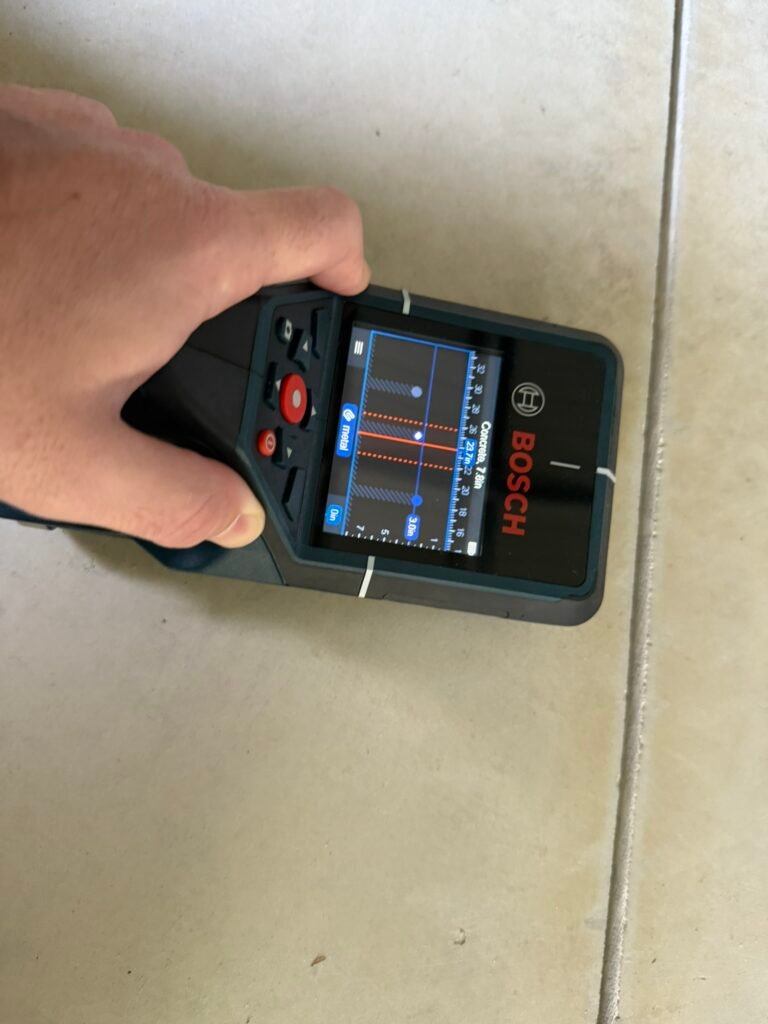
📘 Case Study Project Type:Residential accessory metal building (storage / garage use, non-habitable) Jurisdiction:Florida (2023 Florida Building Code) Project Background:The metal building structure had been properly permitted and inspected; however, the existing concrete slab foundation had been constructed without a permit or prior inspection. During final review, the building inspector required an engineer-stamped foundation certification letter verifying that the slab foundation was adequate and compliant with applicable code requirements in order to approve the permit. 🧠 Engineering Scope Provided Oasis Engineering was retained to perform an existing foundation verification and certification, limited to evaluation of the slab supporting a residential accessory structure. No new foundation design, detailing, or engineered drawings were included in this scope as the owner already had plans and permits. 🔍 Field Verification Process During the site visit, our engineer: All verification methods were non-destructive, appropriate for existing construction, and consistent with professional engineering practice for after-the-fact evaluations. ✅ Outcome Based on the field verification and submitted documentation: 🛠️ Key Takeaway After-the-fact foundation issues do not automatically require demolition, replacement, or redesign. With proper engineering review, documentation, and verification, many existing slabs can be evaluated and, when appropriate, certified to meet applicable code requirements—allowing projects to move forward efficiently and responsibly. ⚡ How This Case Study Connects to Our Services This project illustrates the two primary ways Oasis Engineering assists homeowners and contractors with existing slab foundation certification. Option 1 — Engineer Site Visit Best suited for: ✔ Typical cost: $500–$700 (depending on location).✔ Includes on-site verification and engineer-stamped certification letter (if compliant) Option 2 — DIY Concrete Slab Verification Kit Best suited for: ✔ Engineer-reviewed submissions✔ Same certification letter issued only if standards are met✔ $199 kit, creditable toward a full site visit if needed This option utilizes homeowner-collected documentation reviewed by a licensed professional engineer. Final certification is issued solely at the engineer’s discretion and only when submitted data confirms compliance with applicable code requirements.

After-the-Fact Foundation Certification for Existing Metal Building Read More »

Boulder Wind Engineering

Navigating Boulder’s Building Codes: A Complete Engineering Guide for Your Project

Navigating Boulder’s Building Codes: A Complete Engineering Guide for Your Project Building in Boulder, Colorado, offers the rare opportunity to create structures amidst one of the nation’s most stunning natural landscapes. This allure, however, is matched by a unique set of challenges. The region’s progressive ethos is reflected in a complex and forward-thinking regulatory environment, while its position at the foot of the Rocky Mountains subjects projects to some of the most demanding environmental forces in the country, chief among them being severe wind events. For architects, builders, and homeowners, navigating the building permit and design process can be a daunting task, filled with jurisdictional nuances, hyper-specific code amendments, and stringent structural requirements. A misstep in this landscape can lead to costly project delays, extensive redesigns, or, in the worst-case scenario, structural failure. This guide serves as a comprehensive roadmap to demystify this process, highlighting the critical engineering requirements necessary for project approval in the Boulder area. Understanding these rules—especially those related to wind engineering—is not merely a matter of compliance; it is fundamental to ensuring the long-term safety, resilience, and value of any structure built on the Front Range. By delving into the specifics of local codes, this report provides a clear path to a successful and secure build. The Lay of the Land: Understanding Boulder’s Jurisdictional Labyrinth The most critical and foundational concept for any Boulder-area project is that the rules are not monolithic. A common and costly error is applying the wrong set of codes, an issue that can be avoided by first understanding the local regulatory geography. City vs. County – A Tale of Two Building Departments Any construction project in the Boulder area is governed by one of two distinct entities: the City of Boulder Planning & Development Services for projects within city limits, or the Boulder County Community Planning & Permitting Department for projects in unincorporated areas.1 These are separate organizations with their own administrative staff, websites, online application portals, and, most importantly, their own unique building code amendments.3 The County’s jurisdiction explicitly covers unincorporated Boulder County, while municipalities like the City of Boulder adopt and enforce their own codes.2 The failure to correctly identify a project’s governing jurisdiction is the most fundamental error a project team can make, with ripple effects that can invalidate an entire set of construction documents. For example, the City of Boulder specifies design wind speeds in a table within its municipal code, differentiating between properties east and west of Broadway.4 In contrast, Boulder County uses a detailed wind speed map that provides site-specific values.5 Using the wrong source for this single critical parameter would render all subsequent structural calculations incorrect. Therefore, the first step to compliance, before any other planning or design work begins, must be a definitive address check to confirm which building department has authority over the property. A Moving Target: Keeping Pace with Code Adoption Cycles Building codes are not static; they evolve to incorporate new research, materials, and safety standards. Both the City and County periodically adopt newer versions of the International Codes—such as the International Building Code (IBC) and International Residential Code (IRC)—along with a suite of local amendments. The design requirements for any given project are determined by its permit application submittal date.6 This creates a dynamic regulatory environment. As of 2025, both jurisdictions have undergone recent, significant updates: The staggered and recent nature of these code adoption cycles creates a significant “compliance gap” risk, particularly for projects with long design and planning phases. A complex custom home or commercial building may have a design phase lasting many months. A project team that begins work assuming the applicability of a current code could find its plans non-compliant if the permit application is delayed past the effective date for a new code cycle. This would necessitate significant and costly revisions to structural, energy, and life-safety systems to meet the newer, often more stringent, standards. Proactive engagement with these timelines is essential to future-proof a design and avoid unforeseen expenses. The Force of Nature: Mastering Boulder’s Wind Engineering Requirements Boulder’s location at the transition between the Great Plains and the Rocky Mountains creates unique meteorological conditions, including powerful downslope windstorms. In recognition of this, local codes designate the area as a “Special Wind Region,” making robust wind engineering a primary driver of structural design and a non-negotiable aspect of public safety.8 The Ultimate Design Wind Speed (Vult​): A Tale of Two Maps The foundation of any wind load calculation is the ultimate design wind speed, or Vult​. This value is determined differently depending on the project’s jurisdiction. The following table summarizes the primary wind speed criteria for the area. Jurisdiction Risk Category I Risk Category II Risk Category III & IV City of Boulder – East of Broadway 140 mph 150 mph 160 mph City of Boulder – West of Broadway 155 mph 165 mph 175 mph Unincorporated Boulder County Refer to Map Refer to Map Refer to Map Data derived from Boulder Revised Code 10-5-2 4 and Boulder County Wind Speed Map.5 The ASCE 7 Standard and the Topographic Factor (Kzt​) Anomaly The American Society of Civil Engineers’ standard, Minimum Design Loads and Associated Criteria for Buildings and Other Structures (ASCE 7), is the nationally recognized methodology for calculating wind pressures.8 A key component of this standard is the Topographic Factor, Kzt​. This factor is a multiplier used in the velocity pressure equation, $q_z = 0.00256 K_z K_{zt} K_e V^2$, that accounts for the acceleration of wind as it flows over abrupt changes in terrain like hills, ridges, and escarpments.11 Per ASCE 7, this factor must be considered when a structure is located in the upper half of a hill or near a crest, and the terrain meets specific geometric criteria, such as a height-to-length ratio ( H/Lh​) of at least 0.2.11 The formula for Kzt​ is $K_{zt} = (1+K_1K_2K_3)^2$.12 Given Boulder’s hilly and mountainous terrain, the application of Kzt​ would seem universal. However, a critical and nuanced distinction exists between the

Navigating Boulder’s Building Codes: A Complete Engineering Guide for Your Project Read More »

Foundation Engineer Texas

🏗️ Foundation Engineering Letters in Dallas: What You Need to Know (IRC Chapter 4 + Texas Requirements)

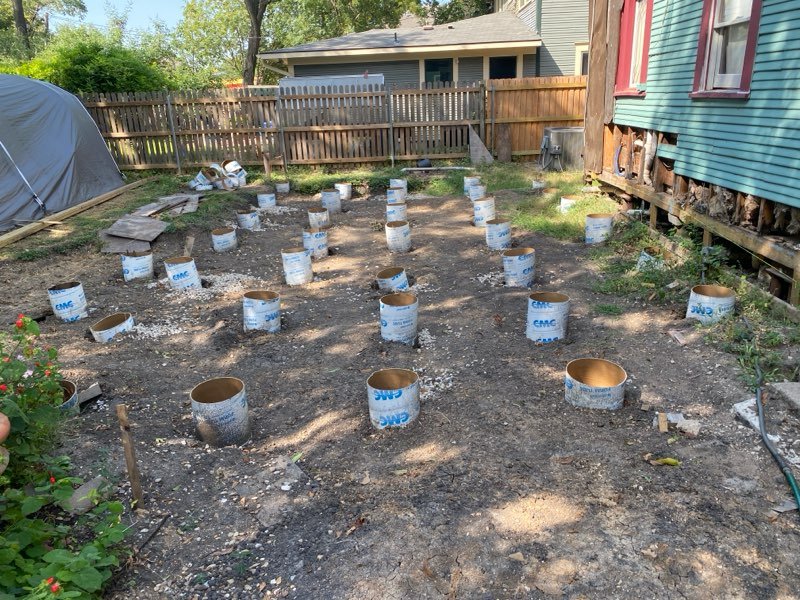
🏗️ Foundation Engineering Letters in Dallas: What You Need to Know (IRC Chapter 4 + Texas Requirements) When building or remodeling in Dallas or other parts of Texas, it’s common for city inspectors or homeowners to request a foundation letter from a licensed structural engineer. But what does this mean — and how is it different from what you’d need in a state like Florida? At Oasis Engineering, we frequently handle these requests across Texas, and we’re breaking down the key details you need to know to stay compliant with the 2021 IRC, local building departments, and engineering best practices. 📘 What Does IRC Chapter 4 Say About Foundations? Chapter 4 of the International Residential Code (IRC) governs all things foundation — including footings, piers, stem walls, and more. It ensures your foundation can: The key section for Dallas and Texas is: IRC R401.2:“Foundation construction shall be capable of accommodating all loads in accordance with Section R301 and of transmitting the resulting loads to the supporting soil…” In Texas, every foundation or any addition to a foundation must be sealed by a licensed engineer per state law. 🏠 Common Foundation Letter Requests in Dallas In Dallas, we typically receive foundation letter requests for: Unlike Florida, where a full set of sealed structural drawings is almost always required for any permit, Texas allows more flexibility. An engineer letter is often enough to satisfy the city — but it must be based on engineering calculations and site-specific information (design parameters, photos, spacing, pier count, etc.). 📏 What’s Included in a Foundation Certification Letter? A typical Oasis Engineering foundation letter includes: 📍 Dallas-Specific Notes ✍️ When You Need a Texas PE Stamp Even with flexible requirements, any structural certification or analysis in Texas must be sealed by a PE (Professional Engineer) licensed in the state. Oasis Engineering holds an active Texas PE license and regularly provides letters for DFW cities including: 🧠 Bottom Line: More Flexibility, Still Needs Engineering If you’re building a home addition, modifying piers, or replacing framing over an existing crawl space — chances are your city inspector or plan reviewer will ask for a foundation engineer letter. In Texas, this doesn’t always mean a full set of structural plans — but it does require a licensed engineer’s stamp and confirmation that your foundation is safe, stable, and code-compliant. ✅ Need a Foundation Letter Fast? We can usually turn these around in 1–3 business days with photos, a sketch, and key dimensions. Just send us: 📩 Ready to get started?Reach out at OasisEngineering.com/contact. We’ll get you a certified letter, stamped by a Texas PE, with code references and engineering calculations to back it up.

🏗️ Foundation Engineering Letters in Dallas: What You Need to Know (IRC Chapter 4 + Texas Requirements) Read More »

🏛️ New Florida Law Speeds Up Permits: What HB 683 & HB 1035 Mean for Engineer Letters and Wind Calculations (Effective July 1, 2025)

🏛️ New Florida Law Speeds Up Permits: What HB 683 & HB 1035 Mean for Engineer Letters and Wind Calculations (Effective July 1, 2025) Florida contractors, engineers, and homeowners just got a major permitting win. As of July 1, 2025, two new laws—HB 683 and HB 1035—are officially in effect, transforming how building permits are reviewed, processed, and enforced statewide. Whether you’re pulling permits for a container home, a residential addition, or submitting a signed engineer letter for wind calculations, this guide explains what’s changed and how it affects you. ✅ Summary of New Florida Permitting Law Changes 1. Contracts No Longer Required with Permit Applications Local jurisdictions cannot require pricing, contracts, or contingency terms to be included in a permit application. This is critical for: Protecting proprietary contractor and owner agreements Reducing administrative burden on engineer-submitted packages Tip: When submitting an engineer letter or wind load analysis, make sure your documents are code-compliant—but leave out private contract details unless specifically required by statute. 2. Mandatory Permit Review Timelines Florida now has fixed deadlines based on project size: Use Case: If you’re submitting engineered wind calcs for a rooftop solar install or HVHZ compliance letters, the reviewing agency must now respond faster—or risk triggering automatic approvals or legal obligations. 3. Engineer Letters and Wind Calculations Get Fast-Tracked For low-risk, single-trade scopes like: Solar panel installation Residential windows and doors Alarm systems or plumbing You may now use private providers, third-party inspectors, or virtual inspections to satisfy permitting and compliance faster—particularly helpful when paired with: Wind calculation letters Structural load analysis HVHZ engineer compliance documentation ✍️ How This Impacts Engineer Letters If you’re an engineer or contractor submitting: Structural letters for code compliance Wind calculation packages HVHZ or ASCE 7 design documentation These laws directly improve turnaround times, reduce government red tape, and protect your deliverables from being delayed over unrelated paperwork. ⚠️ Change Orders Are Now Enforceable Local agencies must respond to change order pricing within 30 days. If they don’t—and fail to justify a denial in writing—they may be held financially responsible for: Material and labor costs Overhead and schedule impact This gives engineers and GCs stronger leverage when conditions change mid-project and new documentation (such as revised plans or letters) must be submitted. 📌 Final Thoughts The July 1, 2025 changes to Florida’s permitting laws are a major win for professionals who rely on: Accurate engineer letters for code compliance Timely wind calculations and structural load designs Faster permit approvals for residential and light commercial construction Need an Engineer Letter or Wind Calculation for Florida Permits? At Oasis Engineering, we provide: Stamped engineer letters for permitting across all Florida counties ASCE 7-16 compliant wind load calculations for roofs, walls, and fenestration Fast turnarounds and HVHZ-ready reports Visit https://oasisengineering.com/engineer-letters or https://windcalculations.com to get started.

🏛️ New Florida Law Speeds Up Permits: What HB 683 & HB 1035 Mean for Engineer Letters and Wind Calculations (Effective July 1, 2025) Read More »