Licensed professional engineers · 38 states + DC + USVI
Serious engineering. Remarkably simple.
Engineering letters, certifications, calculations and plans, with clear pricing and a straightforward process. Tell us what you’re working on, send your photos or documents, and we’ll help you figure out the next step. Most letters are delivered within 1–2 business days after we receive the required information. For projects that need a site visit, we can coordinate that too.
- 1–2 days
- Typical letter turnaround
- 38 states
- Firm licensure + USVI
- 5.0 ★
- 127 Google reviews
What we do
What can we help you with?
From a single engineer letter to a full home design: one front door for all of it.
-
Engineer letter
Typically $295–$1,500, scoped per case · Typically 1–2 business days once we have what we need
Get started → -
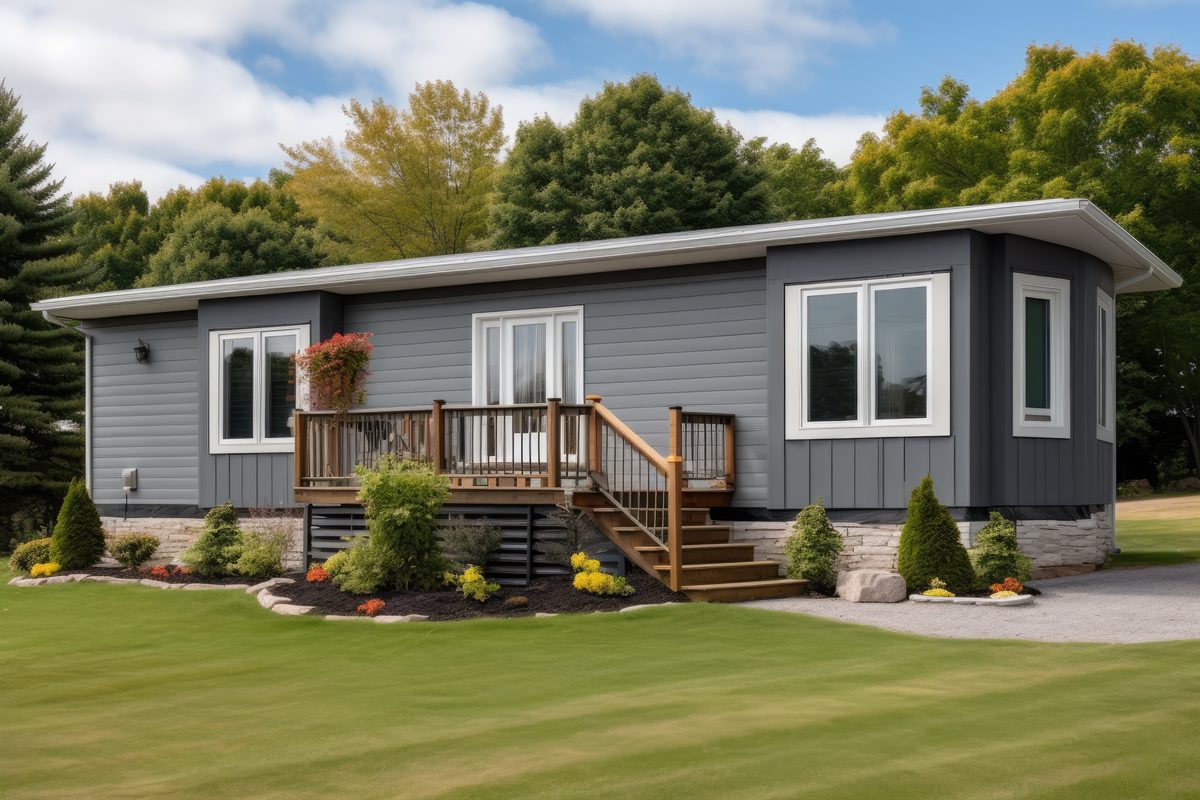
MH foundation certification
$450 flat · Typically 1–2 business days once we have what we need
Get started → -

Plans review & certification
Typically $500–$700 for residential; commercial quoted · 2–3 business days from complete plans
Get started → -
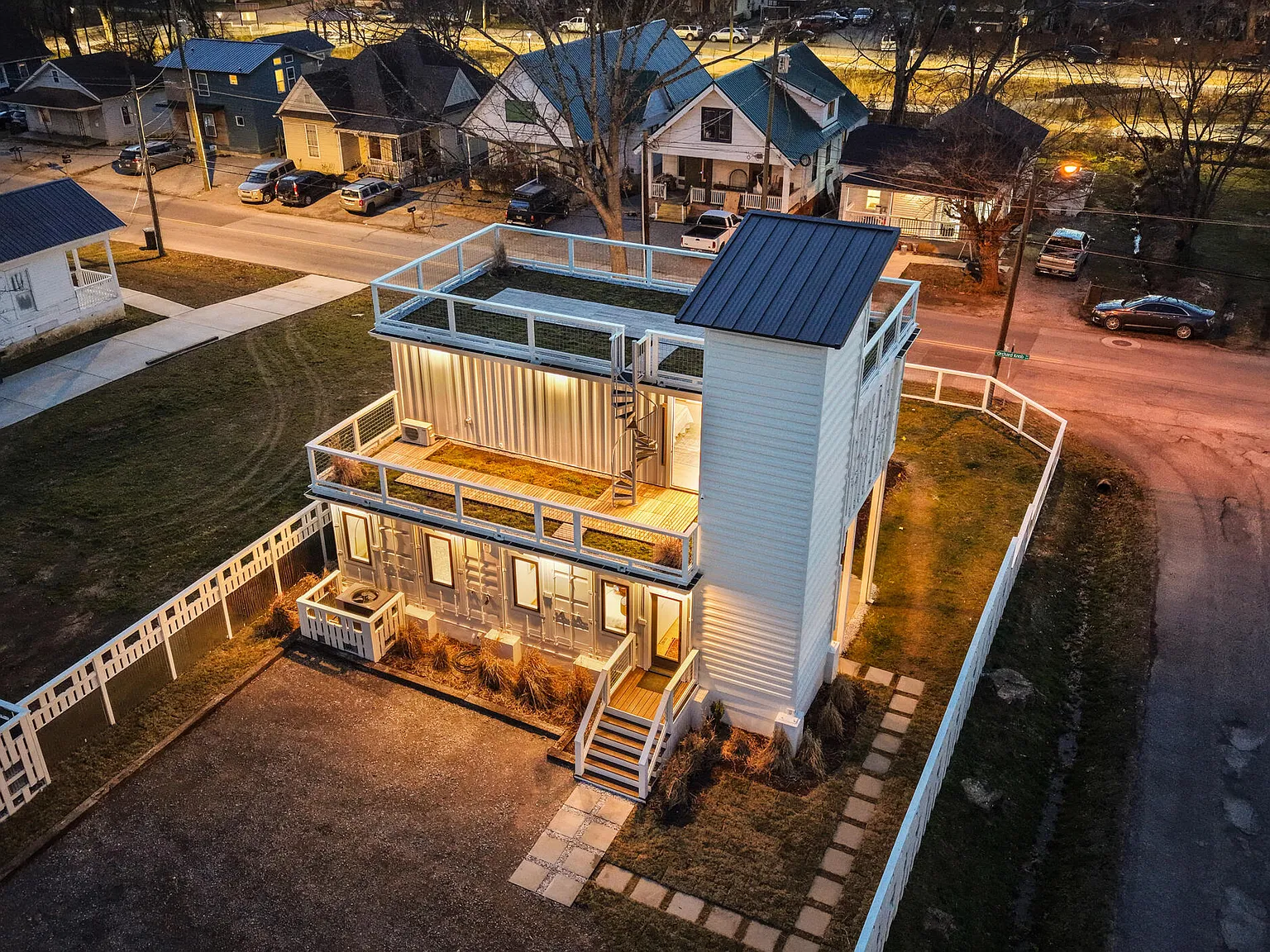
Container home
Custom quote · Scoped per project
Explore container homes → -
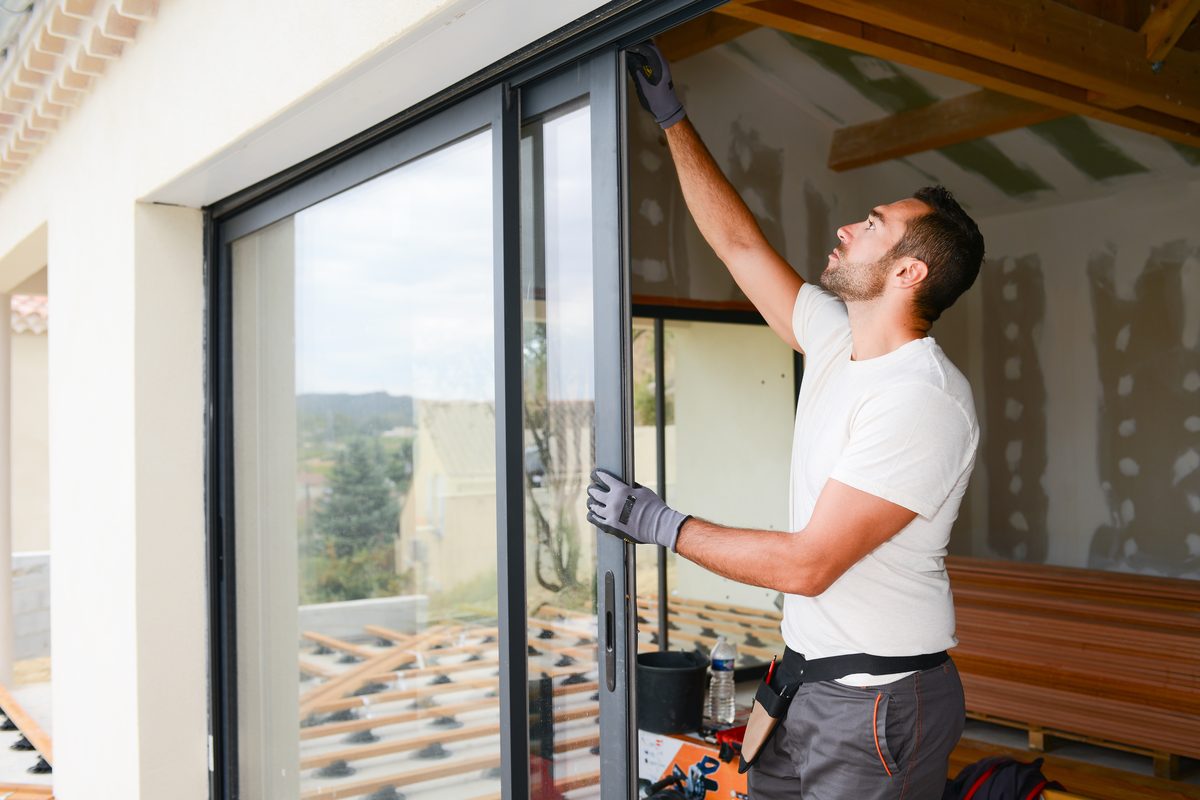
Wind calcs
Typically $1,000–$2,000 · 2–3 business days
Get started → -
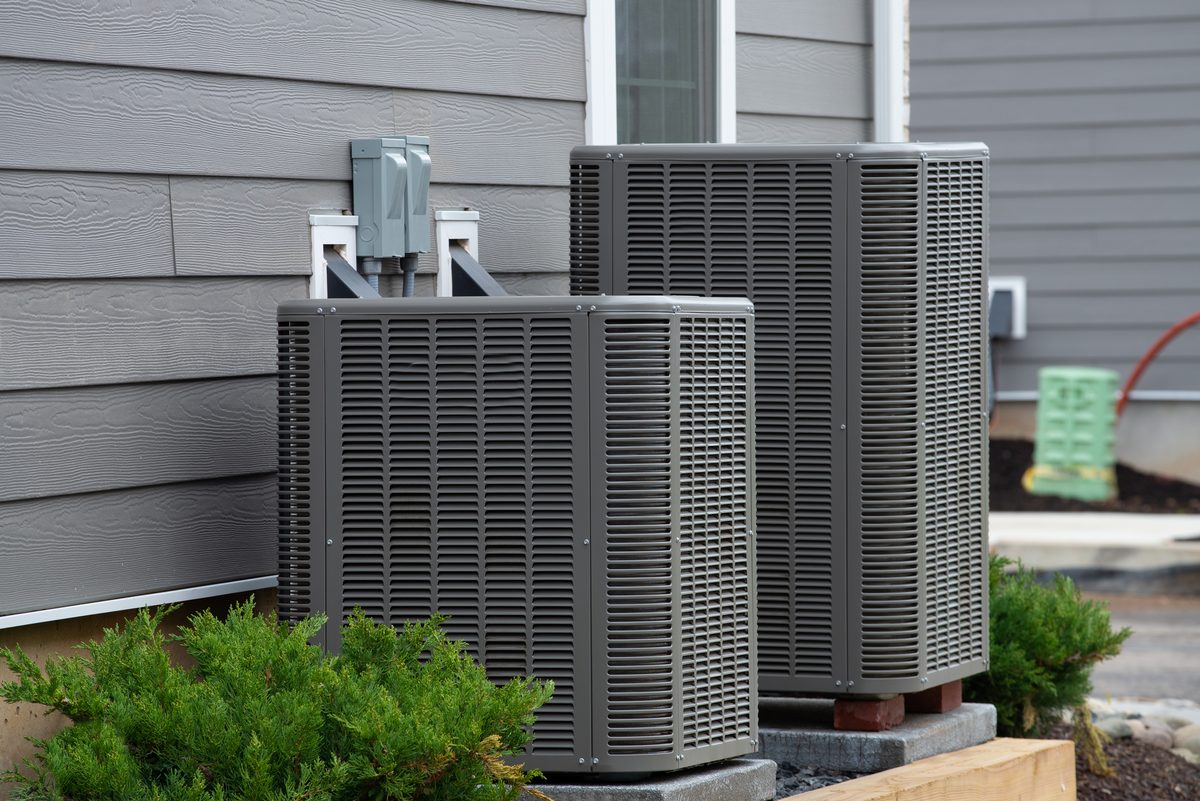
Energy calcs
From $100 · 1–3 business days
Get started →
Tell us what you’re working on and we’ll point you to the right service. All services & prices
The Oasis Plan Library
Start from a plan. Finish with an engineer.
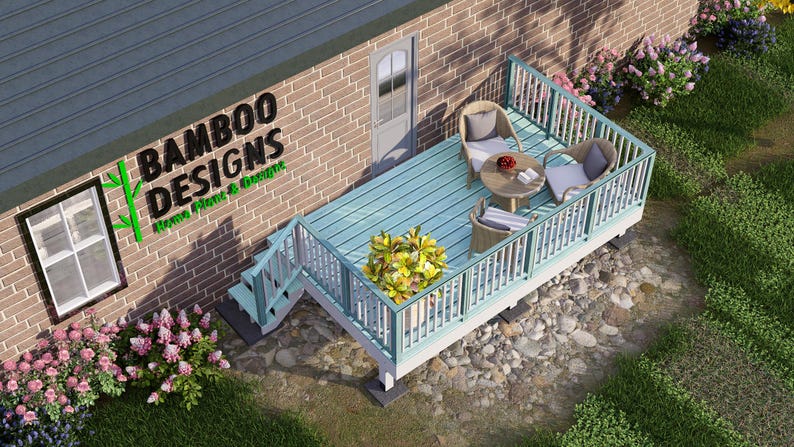
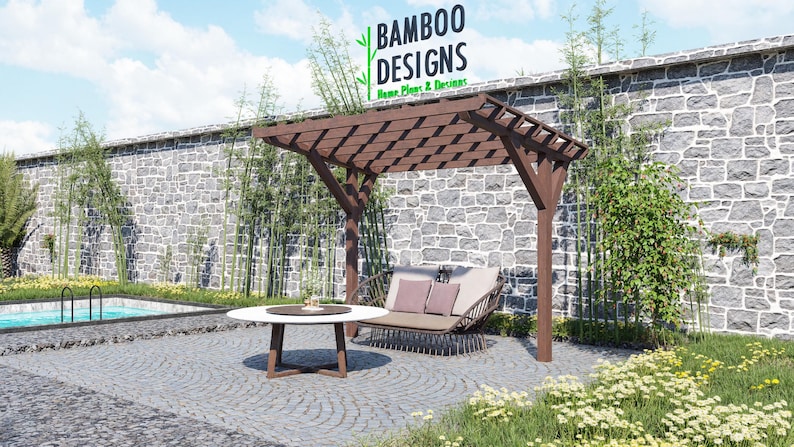
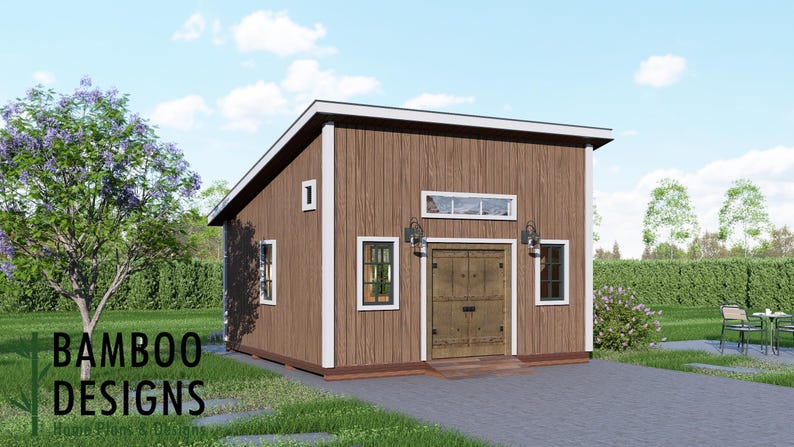
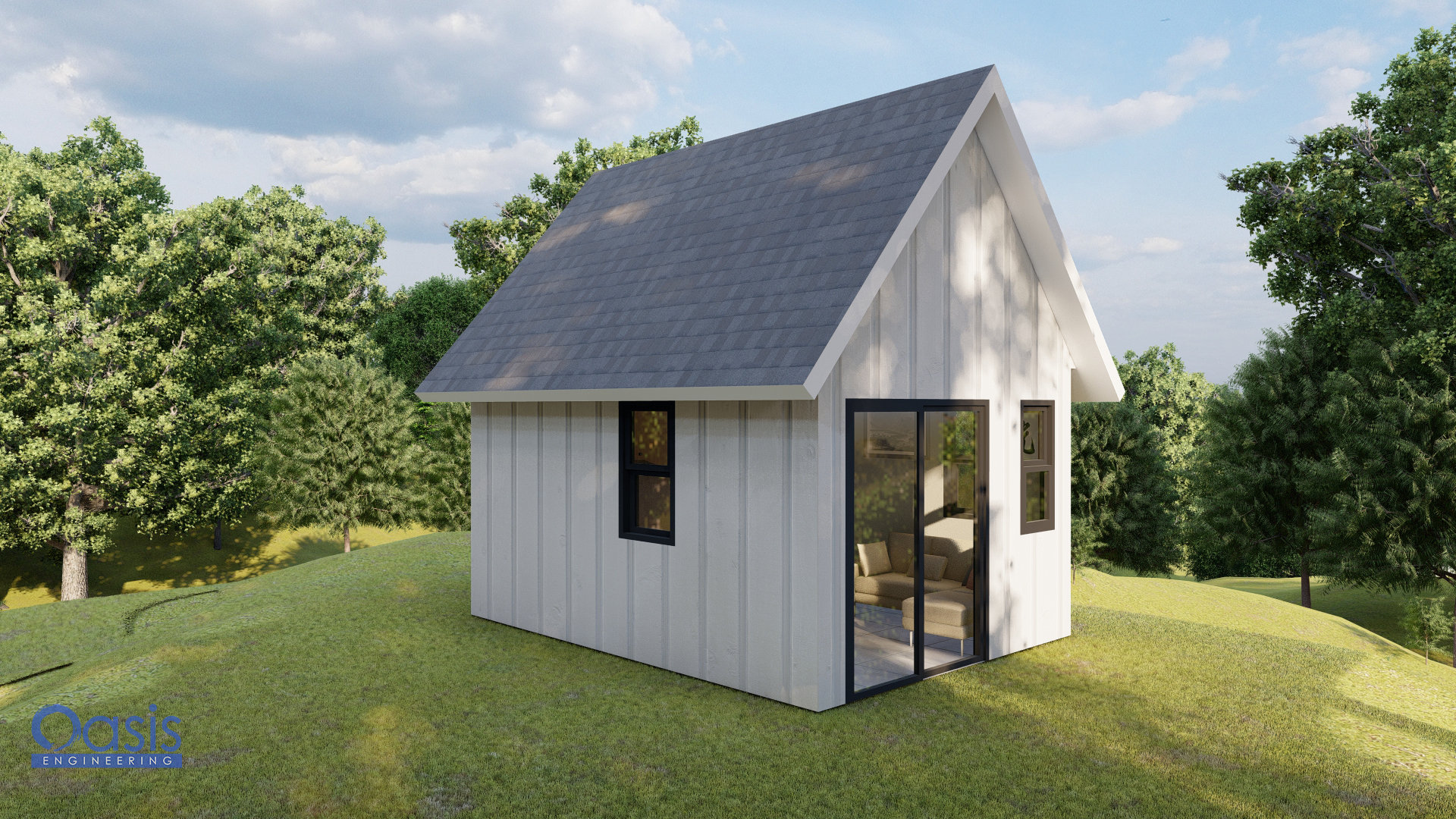
1200+ ready-to-build designs from our studios, Oasis Designs and Bamboo Designs. Download one today, or have us customize it for your site and stamp it for the permit.
Recent work
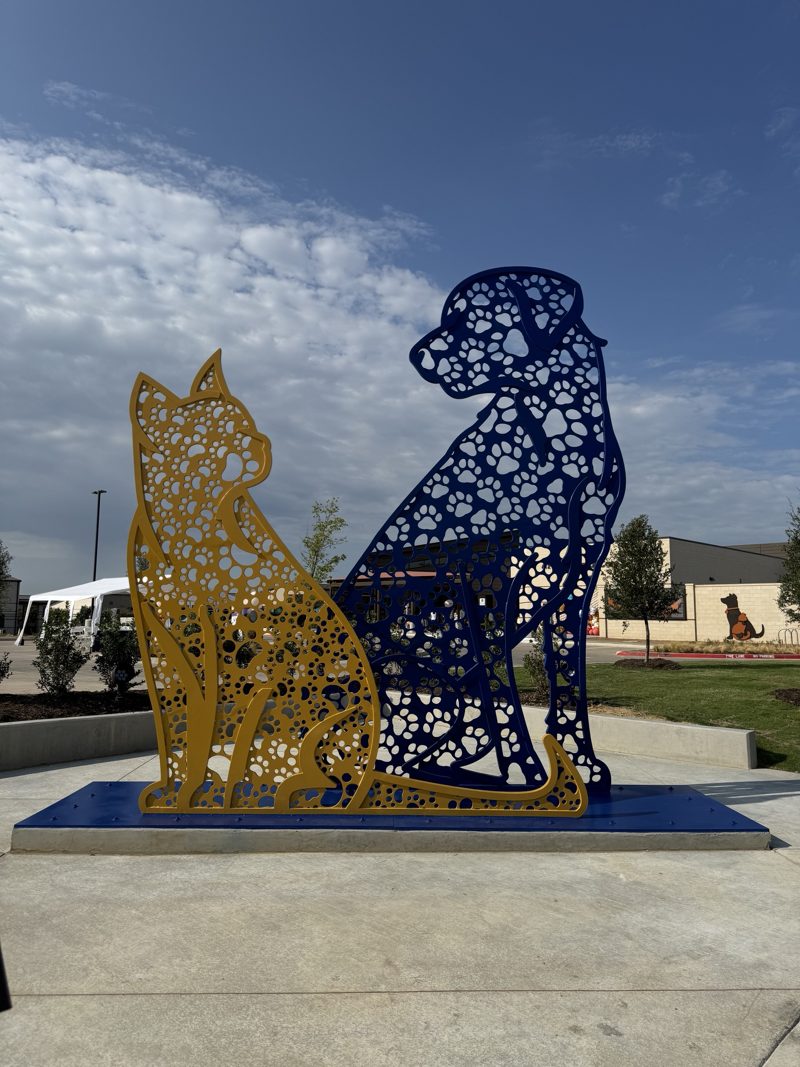
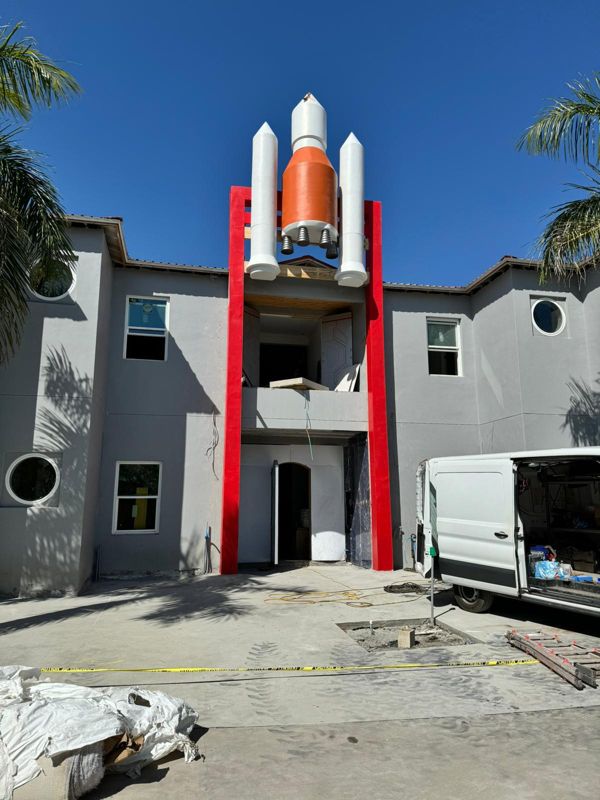
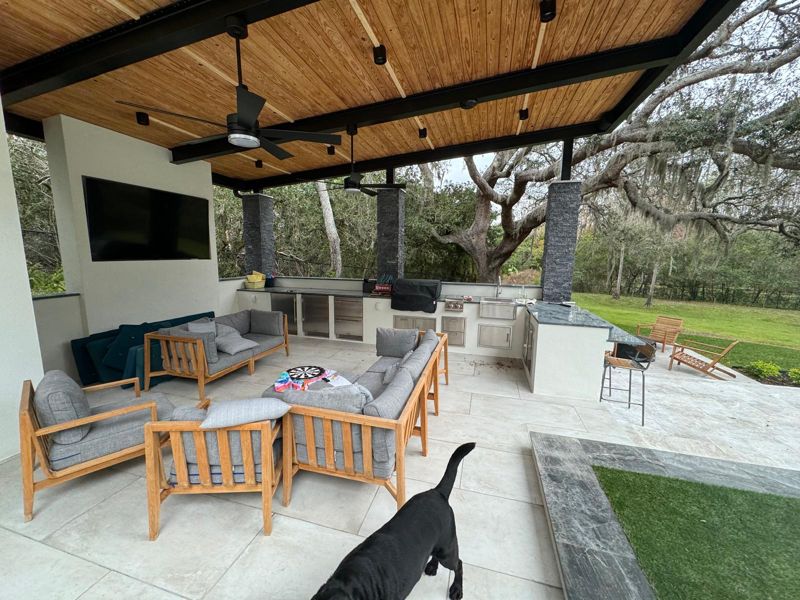
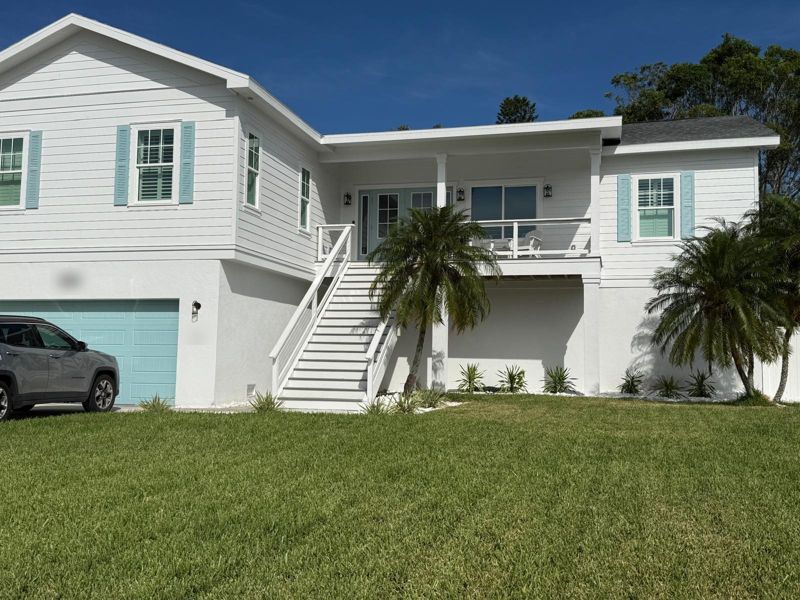
Built, sealed, standing.
Homes, backyards, landmarks and sculptures from Florida to Texas.
What others are saying
Rated 5.0 on Google.
Homeowners, realtors, lenders and contractors. Most of them came in through this same intake.
What others are saying
5.0★★★★★
127 reviews on Google, more on Thumbtack · licensed engineers, real clients
Dependable, fast service and great communication
Oasis Engineering is fantastic!!! They came the next day, delivered the engineering report quickly and allowed my buyers to pay at closing. It doesn't get better than that. I will call them every time. Thank you, you make me look great!
Oasis engineering was a great help and support in getting the certification that I needed. The process is straightforward and not too difficult to navigate. I appreciate their work and quick response.
This service made my FHA foundation certification so EASY and it was completed LIGHTNING FAST!! Thanks 🙏🏼 SO MUCH ENRIQUE and team!! You’re the BEST!!!
We had a great experience with Oasis. We had a GC run out on the job and needed after the fact inspections and help closing out open /missed ones. They did a very thorough job ensuring they could vouch for anything they cleared and were very responsive. They got us out of a jam, and the city accepted their report with no issues due to the professionalism and detail included.
I engaged Oasis Engineering to inspect and verify that foundational joist work on my property was completed to code, and he delivered an outstanding report. After providing the requested measurements and information, the assessment was thorough, well-documented, and gave me exactly the peace of mind my client needed after such a critical project. Enrique examined the details of foundation work with a sharp eye and communicated the findings in clear, straightforward language - no guesswork, no confusion. The report covered every detail I needed to confirm the work met code requirements, and his expertise gave everyone full confidence in the results. If you need a structural engineer who is easy to work with and delivers a reliable report, Oasis Engineering is the one to call. They brought professionalism and real knowledge to a high-stakes situation, and I will work with them again without hesitation.
Enrique was very thorough, punctual, and professional. He handled my engineers letter from start to finish. Highly recommend.
Excellent work on my project. As a first-time owner-builder I asked a lot of questions, and Oasis answered all of them clearly and revised the drawings promptly when my door spec changed. Responsive and thorough. Recommended.
After looking for other engineers in my home project I got nothing but headaches and people overcharging. Enrique was very professional fast and fair with pricing. 10/10 recommend.
Enrique and his team were amazing! I am a REALTOR, and I reached out to his team to get civil site work done for a client. They were fast, professional and did a great job for my client!
This is the second time I used them. Oasis Engineering is truly a customer focused organization! Very easy to deal with and willing to go the extra mile to help with whatever the customer needs. They have a fast turnaround time for foundation inspections!!! The process was extremely user friendly and they were there to answer any questions I had!.
Excellence services and professional people
Muchas gracias por ayudar con nuestro proyecto We’re very grateful to Oasis for helping us through our project. He supported us throughout the entire process and guided us every step of the way. Thanks to his expertise, we were able to secure approval from the city. Thank you for your dedication and support!
The helped me close out a permit for repair work done on my mother's house where the contractor did not close it properly before she purchased it. They were very fast, communication was great and the work they provided was excellent. The even followed up after the work to ensure it met the standard. Thanks!
Fantastic and quick! Great to work with and happily adjusted some values after the initial report was done. Highly recommend!
This company is amazing! As a small florida building contractor he was extremely responsive, accurate and affordable!
Mr. Enrique Lairet has been the ONLY engineer we have dealt with to get the engineering document we needed for our project in a timely manner and done correctly! We are in San Antonio, TX and he is certified in this state. Don't waste your time dealing with these slow and incompetent engineers. Oasis does a great job at a great price and turn around is so fast your head will spin! Just what we needed! Highly recommend for all your engineering needs!
I had an outstanding experience with Oasis Engineering and highly recommend their services. We ran into an issue with an open permit due to a missed inspection. I messaged Oasis, and they were incredibly helpful. Enrique came out the next day to do the inspection. He was extremely professional, knowledgeable, and efficient. The city successfully closed our permit the following day. I was so impressed with his responsiveness and ability to resolve our problem so quickly. If you need engineering services, look no further!
I’m very pleased with the service provided by Oasis company. They arrived on time, were well-prepared, and diagnosed the issue quickly.
Quick and professional inspection and letter for our roof approval. Make Oasis your first call for all Engineering needs.
Enrique at Oasis Engineering was very knowledgeable and great to work with. He was hired to help us get a permit on electrical work that was already completed on a home. I highly recommend his services.
I have been trying to legalize a terrace for 2 years and all i was missing was an Engineers letter. Enrique from Oasis help me obtain what i needed in order to close the permit. Very professional, friendly and quick to reply. I am thankfull for your help and your sevice. I strongly recomend this company. Thank you Enrique.
These guys were awesome! I had the certificate in less than 24 hours, and were cheaper than the local engineer I was going to use. They will for sure get all my business for my FHA/VA deals.
Easy polite and just a great no hassle experience
my experience was very good with what Oasis Engineering did for me
We received amazing, punctual, and professional service. The quality of the work was above and beyond. Enrique was very kind and helpful.
Delivered fast and with great customer service. Communication was prompt, work was top notch. Tough to find this level of quality/service/value/timing in engineering firms. Highly recommend giving this team a shot at your next project.
Best services with Enrique, I would advise anyone who needs engineering contact Enrique
We have been using Oasis Engineering for our construction plans and I can definitely recommend them. Enrique is very knowledgeable and instrumental in supporting our operations. Bonus, they are fast!
Enrique is very accommodating and helpful! We look forward to working with him again on our future projects.
I wish I knew of Oasis sooner and regret that I didn’t get to start with Oasis for my Pergola plans. I had already enrolled and was in process with another company, Enrique was still helpful in giving me direction to get the project moving and when I reached out in desperation due to miscalculations by the other engineering company. I will use them on future projects and recommend them out!!
Amazing work - Enrique was able to take over a project for us after our GC ghosted us - he helped this project and the quality, detailed report and data we got from him saved the day! We will be using Oasis Engineering again for sure.
Oasis Engineering has been a wonderful asset for my design & permit work! Rapid turnaround, quick response times, and attention to detail make Oasis a powerful and convenient service that has helped me acquire several difficult permits on tight deadlines. Thank you for all your help! - Jared
Enrique was a life saver. needed some stamped plans within a tight window and boy did he deliver…within a day… very professional service with no shenanigans
Highly recommended! Enrique is very professional, super friendly, on top of tasks! They will get the work done very fast and on time. They are always there to help you, they response promptly and really listen to your need.
Recommending Oasis Engineering 200%. I found this company and it great reviews online, after struggling for some time to find a reliable engineer for a residential design project. Enrique went above and beyond helping me and being responsive. From the initial contact, setting up the estimate, answering all my questions and promptly following up on any emails and phone calls. He is very professional, kind and fair. He understood what we needed and assisted with his experience. The communication has been smooth, fast and pleasant. Thanks to the great service he provided, my family and I are now able to move forward with a construction project. I will contact him again in the future and I certainly recommend this company! I will not go with anyone else. If you are looking for a superb quality engineering service, this is the way! Thank you Oasis Engineering!
AMAZING work... so glad I found Oasis Engineering to help me build my unique home. WOULD RECOMMEND!!
Enrike did a great job! Never left us! Worked and helped us through all the process! Always answered our texts or calls within an hour! I highly recommend using OASIS ENGINEERING for your services
Top notch company. They helped with getting my plans permitted and provided additional architectural details. Will patronize again
I would recommend Oasis Engineering. Very thorough. I look foreword to working with them on many of my projects.
Oasis perfectly understand the project, did all their professional research and delivered high-quality engineering material needed for our project. Highly recommend. Thank you!
Enrique was quick to respond and his resolved any challenges along the way. As a contractor will be using him for future projects.
My experience hiring Oasis Engineering has been extremely positive, and I truly appreciate the professionalism with which my project was completed. From the beginning to the end, the communication was excellent, and Enrique, the CEO, was one of the best structural engineers I have had the pleasure of working with. No email went unanswered and replies were prompt if not almost immediate. Oasis helped me with generating construction documents for a gazebo project in an efficient and orderly manner right until the documents were digitally signed and sealed. Turn around time was beyond reasonable and Oasis took the time to pay attention to the smaller details and unique circumstances that came with the site and building sequence. I couldn't be happier with the services I received and would recommend this engineering firm to anyone looking for quality and fast workmanship.
Oasis was very professional throughout the entire process. The did everything they said they would do. I am very pleased and wouldn’t hesitate to use/recommend them again!!
Amazing communication. Very detailed oriented. We enjoyed working with Oasis Engineering and highly recommend.We will continue to use them in the future.
Love Oasis!! Excellent work and on time!! Highly Recommend
Oasis has top quality customer service.
Enrique, was super professional and knowledgeable to get my ADU permitted with the municipality. Very impressed by his timely & professional service.
One of the best companies I've worked with ever wouldn't change it in the world Enrique is very professional courteous
Excellent, Courteous and Professional Service!!! Thank you for all your help and support!! Looking forward to a great future!!
Response was concise and timely. My question was answered with the details I needed
His so quick to respond and very professional thanks you so much for all your help and definitely I will recommend him 👍👍👍
Enrique was great from day one. Got the information from me and the county he needed and produced a very fast turnaround , He also worked with my contractor to make sure everything went smoothly . Can't thank him enough . Will use on my next project for sure. Alan Nowakowski , Morristown AZ
I have nothing but excellent things to say about this company. Enrique was extremely pleasant to work with. He reached out to us for consultation in a timely manner and once we met I knew he was the person for the job. He was very good about always keeping us involved in the process so we knew what to expect. The entire job was handled professionally, so much so that even people from the county’s building department praised the quality and detail of the work provided. We are so very pleased with our choice to hire Oasis Engineering and recommend this company to anyone.
My company, Creative Outdoor Advertising (COA), began working with Mr. Lairet and his firm, Oasis Engineering, in Sept. 2021. As one of his first clients, I can say he and his firm are extremely professional, responsive to our ever changing needs and he gets the jobs done efficiently and effectively. He always delivers the product on time and within budget. As our needs have grown, he has grown with us and we continue to do so together. The quality of his work product meets or exceeds the expectations and requirements of our municipal permitting partners across the US. His fees are fair and well worth the product delivered. I highly recommend his services for all your professional engineering needs.
After parting ways with a previous architect over a contractor dispute in the middle of our construction, Oasis came to the rescue! Our foundation work had already begun, we had huge holes in our yard and our siding have been removed when our building permit was put on hold. We needed new plans! Cue the record scratch and the tears! Enrique from Oasis promised to get our new plans to us in a timely manner, he followed through on his promise and was so responsive and sensitive to our needs, concerns and timeline. Oasis’ work was thorough, professional and complete! They provided us with everything we needed to get our permit reinstated with the city. In addition to our new plans, they provided us with a very neat, complete package that included all documentation the city needed to make the changes to our building permit. I’m happy to say our building permit has been reinstated and we are back on track! Oasis turned our panic into excitement again, our new family room addition dream will soon be a reality! Thanks again Enrique and oasis, you exceeded our expectations and we really appreciate you!
When we reached out on Thumbtack for a design professional to help us with our home addition project, we were in a panic! After parting ways with a previous architect over a contractor dispute in the middle of our construction, everything halted. Our foundation work had already begun, we had huge holes in our yard, and our siding had been removed. Cue the record scratch and the tears! Enrique from Oasis responded immediately, he promised to get our new plans to us in a timely manner, he followed through on his promise and was so responsive and sensitive to our needs, concerns and timeline. Their work was thorough, professional and complete! They provided us with everything we needed to get our permit reinstated with the City. In addition to our new plans, they provided us with a very neat, complete package that included all documentation the City needed to make the changes to our building permit. I'm happy to say our building permit has been reinstated and we are back on track! Oasis turned our panic to excitement again, our new family room addition dream will soon be a reality! Thanks again Enrique and Oasis, you exceeded our expectations and we really appreciate you!
Definitely would use his services again
Helped us get our home remodeled. Engineering plans completed for permit, process was fast and easy.
How it works
Bring what you’ve started. We’ll help you move it forward.
Sketches, plans, photos or an AI-assisted concept: show us what you’re working on. We’ll review what you have, explain what still needs engineering, and help you take the next step.
 Step 1
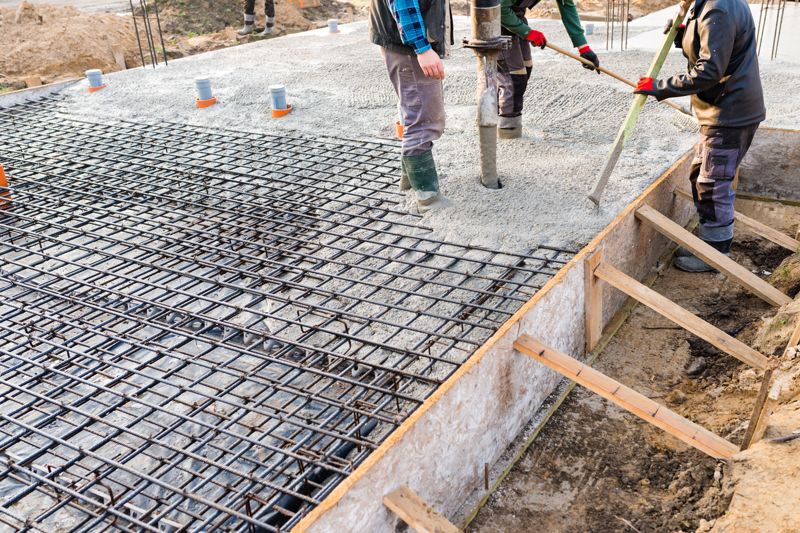
Show us what you have
Pick a service or just describe the project, and add whatever you have so far: plans, photos, permit records, DIY drawings or an AI-assisted concept. No starting point is too rough.
 Step 2
We review it with you
A licensed engineer looks at what you brought and explains what it can support, what still needs engineering, and whether the work can be done from records or needs a site visit. You see the price or a quote before work begins.
 Step 3
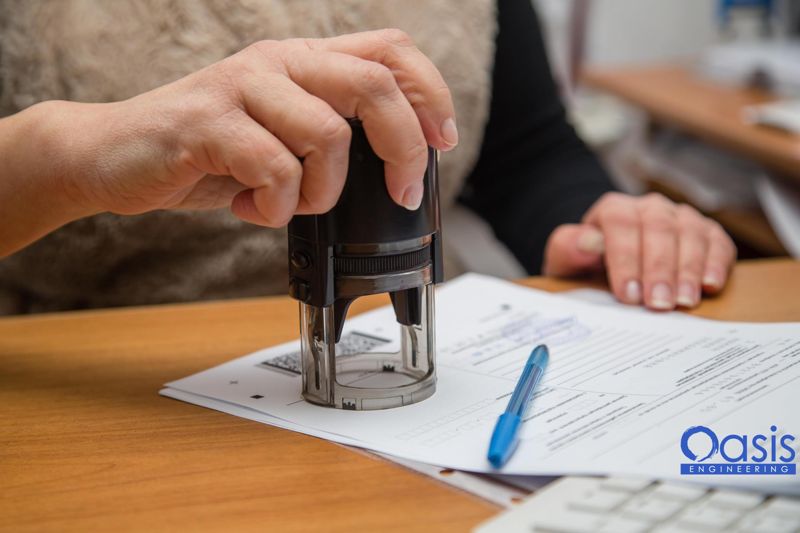
Engineered, sealed, delivered
We do the engineering the project needs, whether that’s calculations, design, inspection or a letter. A PE seals only the work they have reviewed and verified, and we deliver it by secure link.
Questions
Can an engineer letter replace a missed inspection?
Often, yes. When the work is still visible or was documented before it was covered, a licensed PE can review that evidence and issue a sealed letter many building departments accept in place of the missed inspection. Acceptance is always the jurisdiction's call, and concealed work with no documentation generally needs a site visit.
How fast is a manufactured home foundation certification?
Typically 1–2 business days after your photos, appraisal and documents are in. The service is $450 flat for FHA, VA, USDA and conventional closings. Some homes need an in-person visit. We tell you as soon as we have reviewed what you sent, and it is a 100% refund if we cannot help.
Do you work outside Florida?
Yes. Oasis Engineering holds firm licensure in 38 states plus DC and the U.S. Virgin Islands. The intake checks your state before you spend any time.
From the founder
“I’m Enrique Lairet, a professional engineer and founder of Oasis Engineering. I like figuring out how to make unusual projects work, and making the engineering process easier to understand along the way.”
More about Oasis →Ready?
Two minutes to start. A real engineer reviews your project.
Engineer letters are delivered through EngineerLetters.co, powered by Oasis Engineering.