Can a Manufactured Home Foundation Be Certified Remotely? What FHA, VA, and USDA Lenders Need to Know
November 20, 2026 · Enrique Lairet, PE
Yes, a manufactured home foundation may be evaluated remotely by a licensed Professional Engineer when sufficient reliable evidence is available to support the engineer's professional conclusions. However, whether a particular mortgage lender accepts that certification depends on the loan program, the lender's underwriting requirements, and the contents of the engineering report.
At EngineerLetters.co, we believe engineering should be accessible, efficient, and grounded in sound professional judgment.
Modern technology makes it possible to evaluate many existing manufactured home foundations without requiring the engineer to physically travel to the property. But this is not simply a matter of looking at a few photographs.
Our process combines guided visual documentation, location and time verification, independent property research, engineering analysis, and a signed and sealed certification by a licensed Professional Engineer.
Here's how it works, what the regulations say, and what homeowners and mortgage lenders should understand before ordering a remote foundation certification.
1. Does HUD Require an Engineer to Physically Visit the Property?
One of the most common questions we receive is:
"Will my FHA lender accept an engineer's foundation certification if the engineer did not personally visit the property?"
The distinction is between the engineering certification required by HUD and the method used by the engineer to obtain sufficient evidence.
HUD's FHA Single Family Housing Policy Handbook 4000.1 requires the mortgagee to obtain a certification from an engineer or architect licensed or registered in the state where the manufactured home is located, attesting to compliance with the Permanent Foundations Guide for Manufactured Housing (PFGMH).
The cited certification provision does not expressly require the certifying professional to personally conduct an on-site inspection.
That does not mean every remote report must be accepted. It means the certification requirement should not automatically be interpreted as an express federal mandate for an in-person visit.
A lender may impose additional documentation requirements, and the engineer must independently determine whether the available evidence is sufficient to support a professional certification.
The central question is not simply where the engineer was sitting. It is whether the engineer obtained sufficient, reliable information to make and support the engineering determination.
2. Remote Engineering Is Not Just Looking at Photos
There is an important difference between receiving a handful of photographs by email and conducting a structured remote engineering evaluation.
A conventional site visit provides an engineer with direct visual access to observable conditions. A properly designed remote evaluation uses technology to gather and preserve relevant information for professional review.
Neither method automatically guarantees that concealed conditions will be identified.
At Oasis Engineering, our remote foundation certification process uses several complementary verification methods.
Guided, Engineer-Directed Documentation
The photographer follows a structured checklist developed around the applicable manufactured housing foundation criteria.
Required documentation can include:
- Manufactured home identification and HUD labels
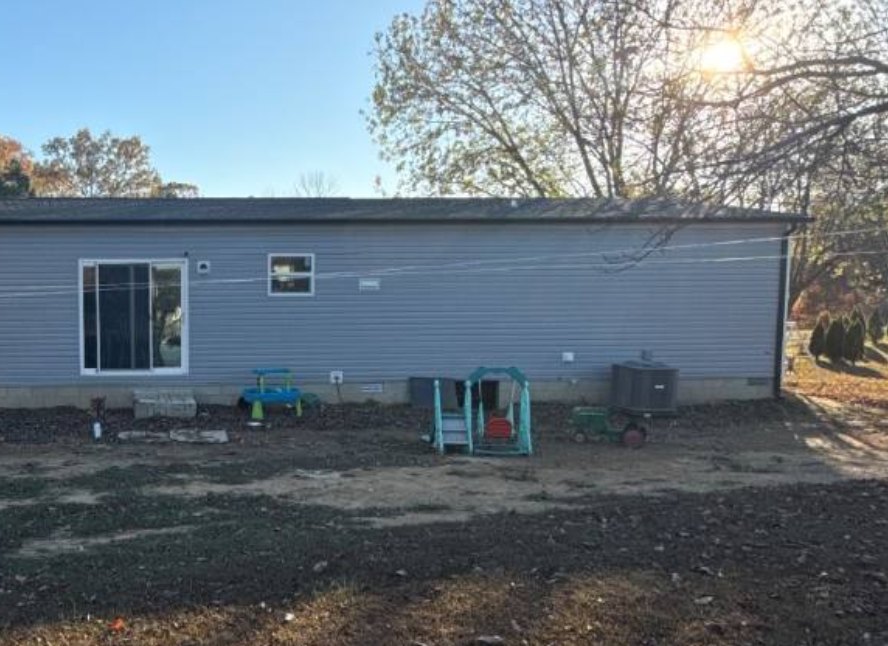
- Exterior elevations and surrounding grade
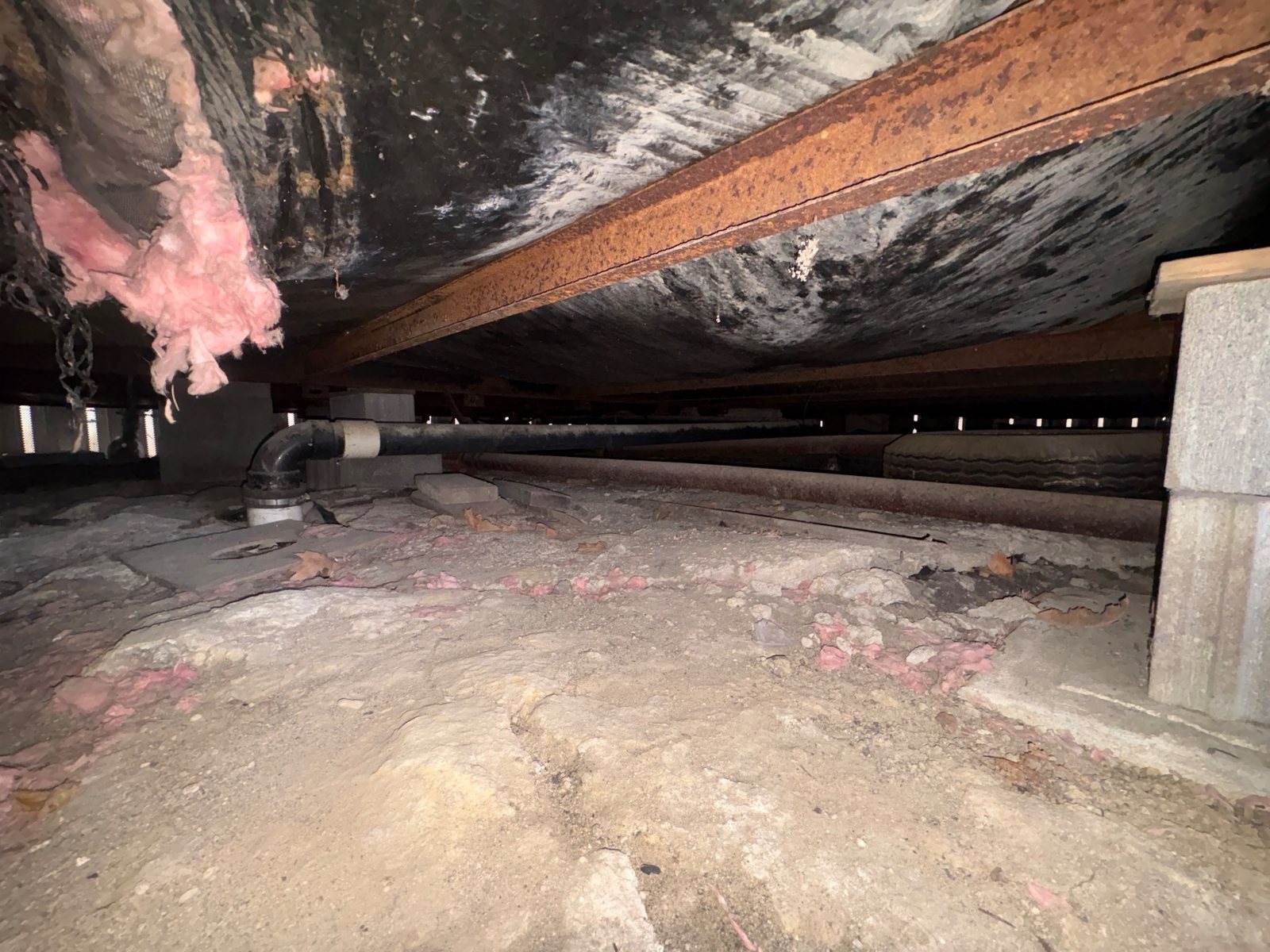
- Foundation piers, support systems, and bearing conditions
- Steel chassis and marriage-line support where applicable
- Foundation anchorage and tie-down connections
- Evidence of towing equipment removal
- Perimeter enclosures, additions, and visible distress conditions
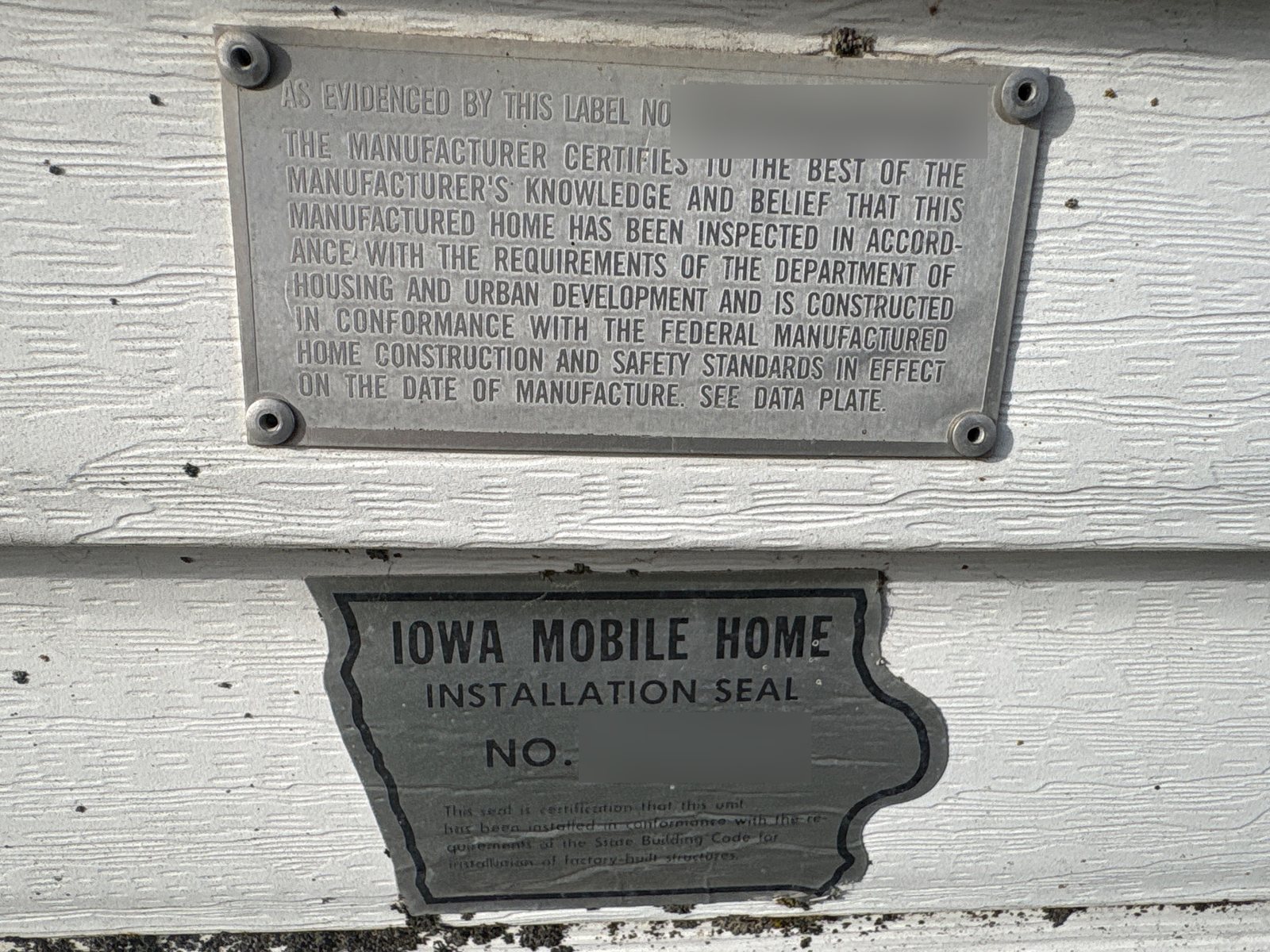
Our process is designed to provide comprehensive visual coverage of the relevant foundation system—not just a few selected images.
Think of it as a structured, multi-angle engineering view of the property, with the engineer controlling what information must be documented.
GPS and Timestamp Verification
Our guided documentation system captures available location and time information associated with submitted photographs.
This helps establish when and where the photographic evidence was collected and supports verification that the documentation relates to the subject property.
Independent Property Research
Our engineers do not rely exclusively on information submitted by the photographer.
Depending on availability, we independently review:
- County property appraiser records
- Geographic information system (GIS) parcel data
- Historical aerial and satellite imagery
- Publicly available street-level imagery
- Building permit history
- Appraisal reports and other relevant property documents
These independent sources help corroborate property identity, configuration, apparent installation history, and changes to the structure.
Professional Engineering Review
Technology collects and organizes the evidence.
A licensed Professional Engineer makes the engineering determination.
Every certification is reviewed by an appropriately licensed engineer who evaluates the available documentation against applicable foundation criteria.
If evidence is incomplete, additional photographs or documentation are requested.
If the condition cannot be responsibly evaluated remotely, an on-site inspection may be required.
We do not issue a favorable certification simply because a customer needs one for closing.
Learn more about our engineering methodology.
3. Are Remote Inspections Recognized by Building Codes and Regulations?
Yes. Remote inspection practices are recognized in portions of the construction regulatory framework, although their applicability depends on the particular inspection and jurisdiction.
Florida Law Expressly Recognizes Virtual Inspections
Florida Statutes §553.791(9), in the 2026 edition, expressly permits private providers performing qualifying building code inspections under that statute to conduct inspections in person or virtually.
This is significant because it demonstrates legislative recognition that professional inspection services do not always require the inspector's physical presence at the property.
However, §553.791 regulates Florida's private-provider building inspection program. It does not directly govern FHA manufactured home foundation certifications or compel mortgage lenders to accept remotely prepared reports.
The broader principle is nevertheless important: remote observation is a recognized professional inspection methodology when used within the applicable legal framework.
International Code Council Guidance
The International Code Council (ICC) published Recommended Practices for Remote Virtual Inspections in 2020.
The publication describes procedures for using remote technology to conduct inspections, including preparation, communication, documentation, and recordkeeping.
ICC recognizes that not every inspection is suitable for remote completion.
Its guidance focuses on implementing a reliable inspection process rather than treating physical travel as the only means of obtaining visual information.
Our methodology incorporates related principles, including verified property identification, structured documentation, professional review, and escalation when remote evidence is insufficient.
Our asynchronous photographic review process is not identical to the ICC's live-video inspection procedure, nor is it an ICC-approved certification program.
4. What Does a Manufactured Home Foundation Engineer Actually Certify?
For FHA financing, the relevant technical reference is HUD's Permanent Foundations Guide for Manufactured Housing, HUD-4930.3G.
A foundation evaluation may address:
Permanent support: Whether the observed foundation system provides appropriate permanent support for the manufactured home.
Anchorage: Whether the foundation anchorage and load-transfer provisions satisfy the applicable criteria.
Foundation configuration: Whether the observed foundation system is consistent with an acceptable permanent foundation arrangement.
Home and site conditions: Whether visible site conditions, additions, modifications, or other observed circumstances raise concerns requiring further engineering evaluation.
Removal of transportation components: Whether applicable towing equipment has been removed.
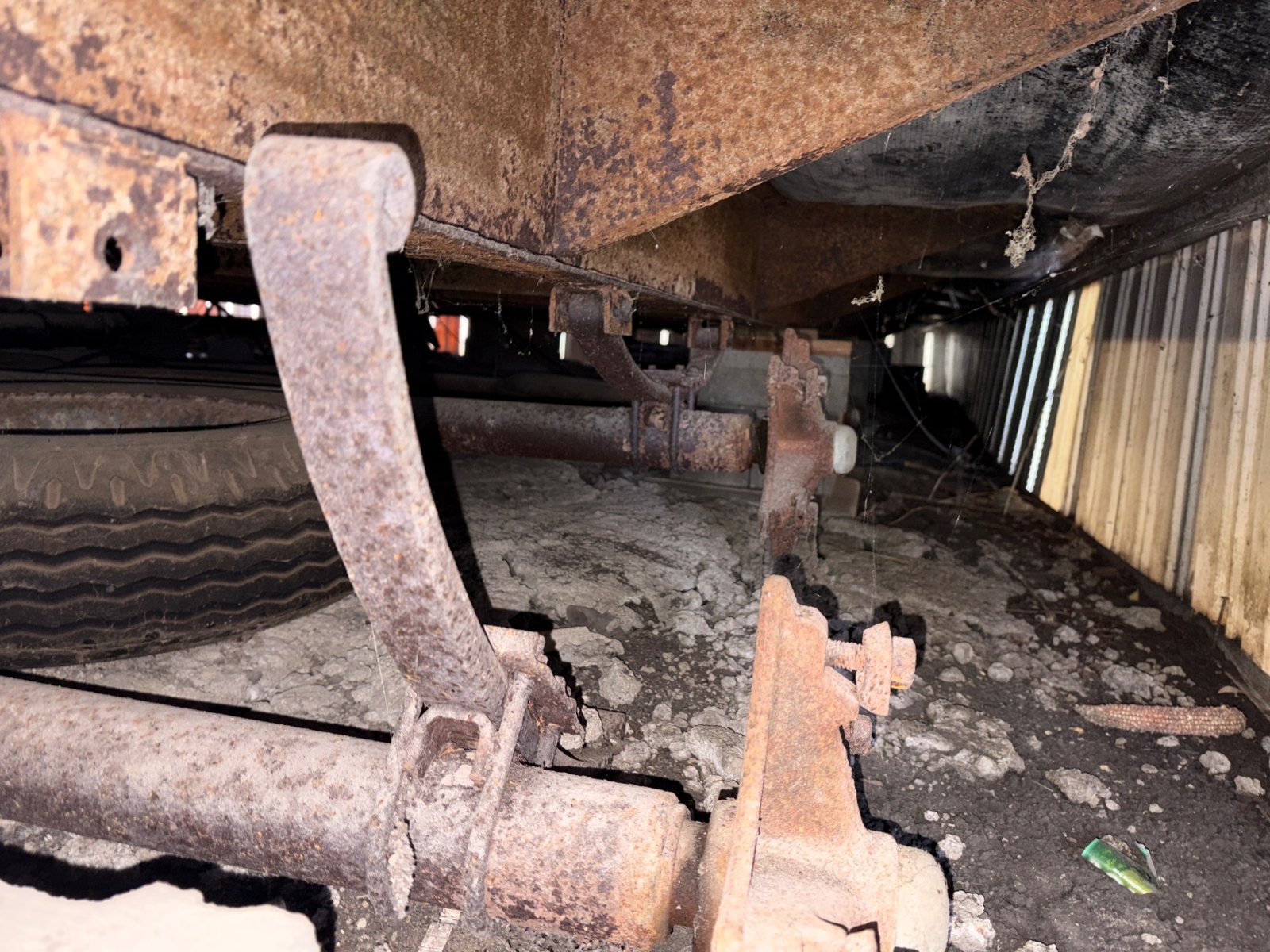
Not every condition can be verified through photographs. Concealed footing dimensions, embedment depths, subsurface conditions, and inaccessible connections may require additional records, testing, exposure, or an on-site evaluation.
A foundation certification is not an unlimited structural warranty or a comprehensive inspection of every component of the home.
It is a professional engineering opinion addressing a defined foundation scope and applicable requirements.
5. Will FHA, VA, or USDA Lenders Accept a Remote Foundation Certification?
Acceptance depends on the applicable loan program and the lender's requirements.
For FHA loans, HUD Handbook 4000.1 establishes the requirement for a foundation certification from an appropriately licensed engineer or architect.
VA and USDA manufactured housing transactions may have their own property eligibility, foundation, documentation, and underwriting requirements.
A lender may also have additional internal policies or investor requirements beyond the applicable agency minimums.
For this reason, we recommend confirming any special inspection or report-format requirements with the lender before ordering.
A properly prepared engineering certification should clearly identify:
- The subject property and manufactured home
- The licensed certifying professional
- The engineering standard being evaluated
- The methodology and information reviewed
- The scope and limitations of the evaluation
- The engineer's professional conclusions
- The engineer's signature and professional seal
An engineering report should be evaluated on its technical adequacy, professional accountability, and compliance with the applicable requirements—not merely whether the engineer traveled to the site.
Nevertheless, final acceptance remains with the lender and applicable underwriting authority.
6. What Happens if the Lender Rejects the Report?
This is an important question to ask before purchasing any engineering certification.
A lender might request a revision, additional documentation, clarification of the inspection methodology, or a physical site inspection.
These are not necessarily the same as a determination that the foundation itself is deficient.
At Oasis Engineering, our published methodology provides for additional evidence collection, clarification, and escalation when the engineer cannot responsibly complete the certification using the available documentation.
If the foundation requires repairs, we identify the conditions requiring correction and can review additional documentation after the work is completed.
Our published policy also provides a full refund when we cannot complete the engineering review under the circumstances described in our methodology.
We do not guarantee mortgage approval or promise that every lender will accept every remote certification. Those decisions are outside the engineer's authority.
If a lender has a specific requirement for an on-site inspection, that requirement should be identified before proceeding so the appropriate inspection service can be coordinated.
Our objective is to deliver a technically defensible certification, clearly communicate its limitations, and help resolve reasonable documentation questions.
7. Can a Remote Evaluation Be More Thorough Than a Traditional Inspection?
In some respects, a structured remote evaluation can offer meaningful advantages.
A traditional site visit is often a single event. The engineer observes accessible conditions, takes notes or photographs, and prepares a report.
A digital evidence-based evaluation can create a more extensive, permanently reviewable record.
Our process allows the engineer to examine images repeatedly, compare different viewpoints, request specific close-ups, cross-reference public records, and preserve the evidence supporting the final determination.
Digital records can also be reviewed by quality-control personnel or revisited when a lender asks a follow-up question.
This does not make remote evaluation universally superior to an on-site inspection.
Physical inspection remains essential when conditions require direct measurement, probing, testing, or access that cannot be adequately documented remotely.
The most effective engineering process uses the appropriate combination of technology and physical investigation for the conditions being evaluated.
8. Digitally Signed, Sealed, and Verifiable
Our engineering certifications are digitally signed and sealed by the responsible Professional Engineer.
We also provide a document verification system that allows recipients to confirm the authenticity of the issued document.
This helps lenders and underwriters distinguish an authentic engineering certification from an altered or improperly reproduced document.
Our documentation system retains supporting evidence and review records in accordance with our published retention procedures.
The goal is to provide a transparent and auditable engineering process.
9. When Is an On-Site Inspection Necessary?
Remote evaluation is not appropriate for every manufactured home.
Conditions that may require additional investigation include:
- Significant settlement or structural movement
- Foundation components concealed or inaccessible to the camera
- Evidence of foundation undermining or instability
- Unusual foundation configurations
- Suspected structural damage
- Additions that may impose loads on the manufactured home
- Inadequate or contradictory documentation
- Specific lender requirements for physical inspection
When these conditions arise, our engineer determines what additional information or inspection is necessary.
The decision is based on engineering judgment, not the customer's preferred outcome.
10. The Future of Engineering Inspections
Engineering has always depended on reliable observations, sound analysis, and professional accountability.
What is changing is how information can be collected and reviewed.
High-resolution smartphone cameras, geolocation technology, historical mapping, digital document verification, and secure evidence management now make it possible to evaluate certain conditions without unnecessary travel.
These tools can improve access to engineering services for homeowners in rural communities and areas where licensed specialists are difficult to schedule.
They can also reduce travel costs, shorten turnaround times, and preserve more complete records.
But technology does not replace the engineer.
It extends the engineer's ability to observe, document, analyze, and make informed professional decisions.
That is the philosophy behind our remote manufactured home foundation certification service.
Frequently Asked Questions
Can I get an FHA foundation certification without an engineer visiting my home?
Potentially, yes. The FHA certification provision requires an appropriately licensed engineer or architect to attest to compliance with HUD's permanent foundation guidance. It does not expressly require that professional to visit the property. However, the engineer must have sufficient evidence, and the lender may impose additional requirements.
Are remote mobile home foundation inspections legitimate?
Remote engineering evaluations can be legitimate when performed by appropriately licensed professionals using adequate evidence and complying with applicable professional and regulatory requirements. The inspection methodology alone does not establish whether a particular certification is adequate.
Can I take the foundation photographs myself?
Our guided process allows a designated photographer to document required conditions using a structured checklist. All required areas must be safely accessible and sufficiently visible. The engineer may request additional documentation or require an on-site inspection.
Is a remote foundation certification the same as a home inspection?
No. A manufactured home foundation certification addresses a defined engineering scope. It does not replace a general home inspection, appraisal, installation inspection, or other required evaluation.
Does HUD approve individual engineering companies?
A professional engineer's authority to practice comes from applicable state licensure. HUD establishes relevant program and foundation requirements, but an engineering firm's certification should not be described as HUD-approved merely because it references HUD guidance.
How long does the certification take?
Our typical turnaround is one to two business days after complete and acceptable documentation is received, depending on the complexity of the property and whether additional information is needed.
How much does a manufactured home foundation certification cost?
Our standard remote foundation certification service is currently $450. Additional services, such as an on-site inspection or specialized engineering investigation, may require separate arrangements.
Get a Manufactured Home Foundation Certification
Whether you are purchasing, refinancing, or selling a manufactured home, our objective is to make the foundation certification process straightforward without compromising engineering standards.
Our service combines modern documentation technology with the professional judgment and accountability of licensed engineers.
Engineering standards remain the same. The tools we use to meet them continue to improve.
Review Our Engineering Methodology
Request Your Foundation Certification
Regulatory and Technical References
- U.S. Department of Housing and Urban Development: FHA Single Family Housing Policy Handbook 4000.1, August 12, 2026 revision.
- HUD: Permanent Foundations Guide for Manufactured Housing, HUD-4930.3G.
- Florida Legislature: Florida Statutes §553.791(9), Alternative Plans Review and Inspection, 2026.
- International Code Council: Recommended Practices for Remote Virtual Inspections, May 2020.
- Oasis Engineering: Remote Foundation Certification Methodology.
Disclaimer: This article provides general information about engineering certification procedures and mortgage documentation. Requirements vary by loan program, jurisdiction, lender, property condition, and applicable professional practice regulations. Nothing in this article guarantees lender acceptance or substitutes for a property-specific engineering determination.
Related